You’re mid-recipe, the scale just died, and you need to know how much is 6 ounces without guessing. Or maybe you’re packing a shipping box and six ounces is the weight limit. Six ounces equals 170 grams, roughly 0.375 pounds, or about ¾ of a cup of liquid. It’s not a dramatic weight — but it’s one of those numbers that’s surprisingly hard to picture without something familiar to hold next to it.
How Much is 6oz? Quick Conversions Table
| Unit | Value |
| Ounces | 6 oz |
| Grams | 170 g |
| Pounds | 0.375 lb |
| Kilograms | 0.170 kg |
| Milliliters (water) | ~177 ml |
| Tablespoons (water) | ~12 tbsp |
| Cups (liquid) | ~¾ cup |
Quick List of 16 Real Things That Weigh 6 Ounces
| Object | Category | Weight |
| Medium Apple | Food | ~6 oz / ~170g |
| 1 Cup of Blueberries | Food | ~6 oz |
| ¾ Cup of Milk | Food/Liquid | ~6 oz |
| 6 Slices White Bread | Food | ~6 oz / ~170g |
| 3 Boiled Large Eggs | Food | ~5.4–6 oz |
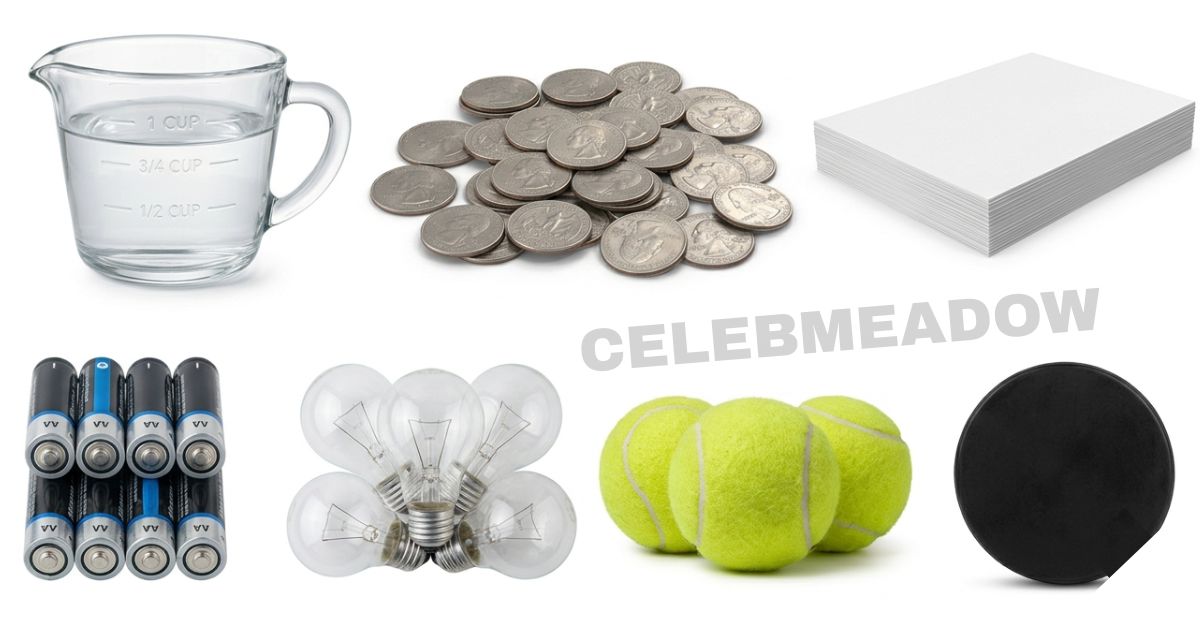
| 12 Tablespoons of Water | Liquid | ~6.26 oz |
| 30 U.S. Quarters | Currency | 6.0 oz |
| 170 U.S. Dollar Bills | Currency | 6.0 oz |
| 30 Sheets of A4 Paper | Office | ~5.4–6 oz |
| Basic Plastic Computer Mouse | Tech | ~5.8–6 oz |
| Amazon Kindle (4th Gen) | Tech | 6.0 oz / 170g |
| Apple iPhone 13 or 14 | Tech | 6.14 oz / 174g |
| 7–8 AA Batteries | Household | ~6 oz |
| 5 Incandescent Light Bulbs | Household | ~6 oz |
| 3 Tennis Balls | Sports | ~6 oz |
| Hockey Puck | Sports | 6.0 oz / 170g |
1. Medium Apple
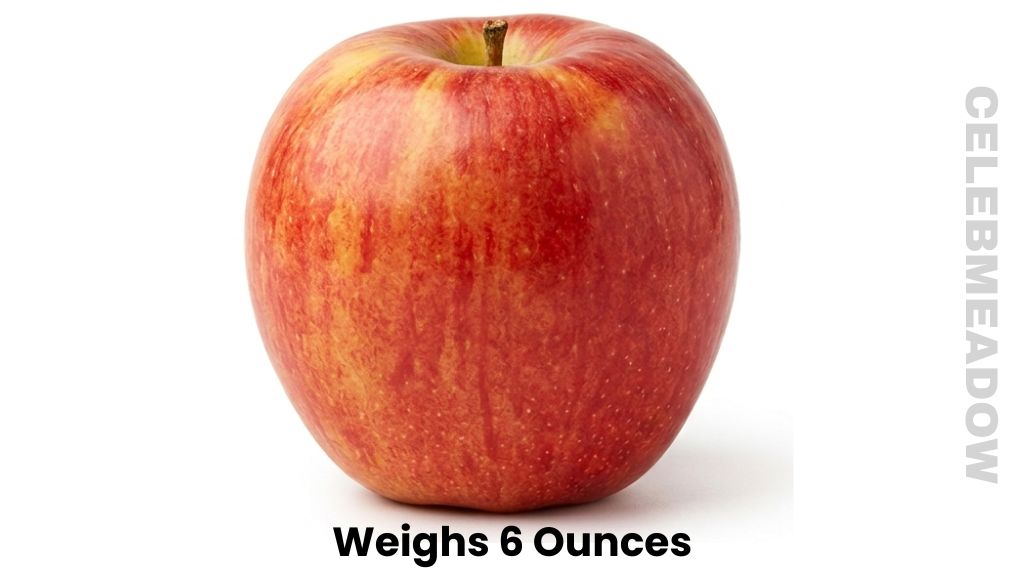
A medium raw apple commonly weighs around 6 ounces — almost perfectly hitting the 170-gram mark used in USDA fruit guidelines.
Pick up an apple at the grocery store. Not the huge ones, not the tiny snacking ones — a standard mid-size apple, roughly the shape and size of a baseball. That’s the weight your palm is reading right now.
This weight isn’t random. Commercial orchards grow to specific size targets because growers and retailers use weight to predict yield and price per unit. That biological average lands right around 6 ounces for the fruits most commonly sold in stores. Next time you’re at the produce section, grab one and hold it. That’s your new mental anchor for this weight.
- Key measurement: ~6 oz / ~170g
2. One Cup of Blueberries
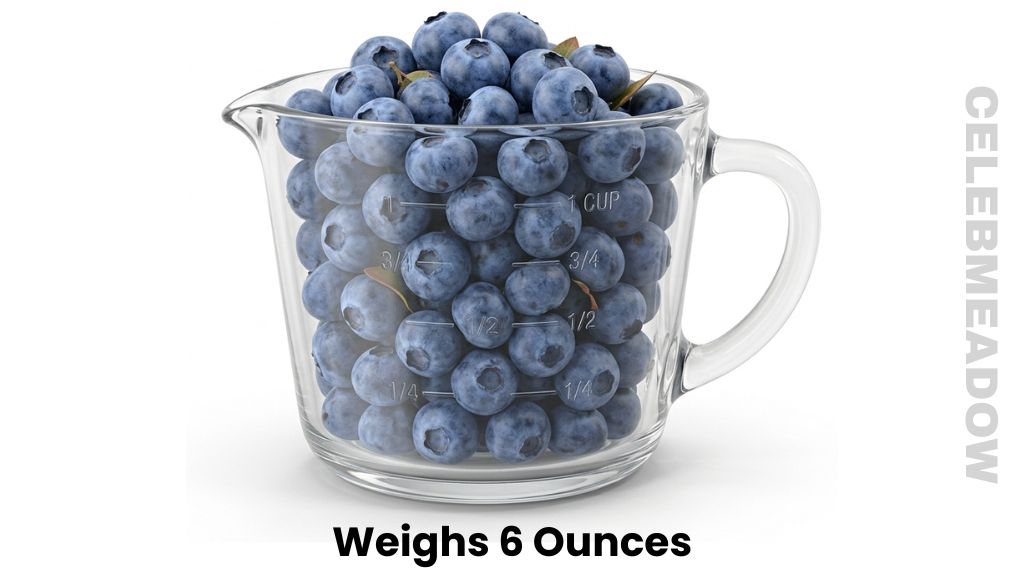
One cup of fresh blueberries loosely packed typically weighs around 6 ounces.
Small, round, and surprisingly light individually — but fill a full measuring cup and the density adds up fast. Blueberries are soft and low-density fruits. They don’t compress under their own weight, so there’s always air between them. That gap-to-berry ratio is exactly why one cup hits the 6-ounce range rather than something heavier.
Picture holding a cup of water versus a cup of blueberries. The water feels more solid. The berries feel almost airy, almost like you’re holding a cup of something that could roll away. That distinction is weight in action.
- Key measurement: ~6 oz / ~170g
3. Three-Quarters Cup of Milk
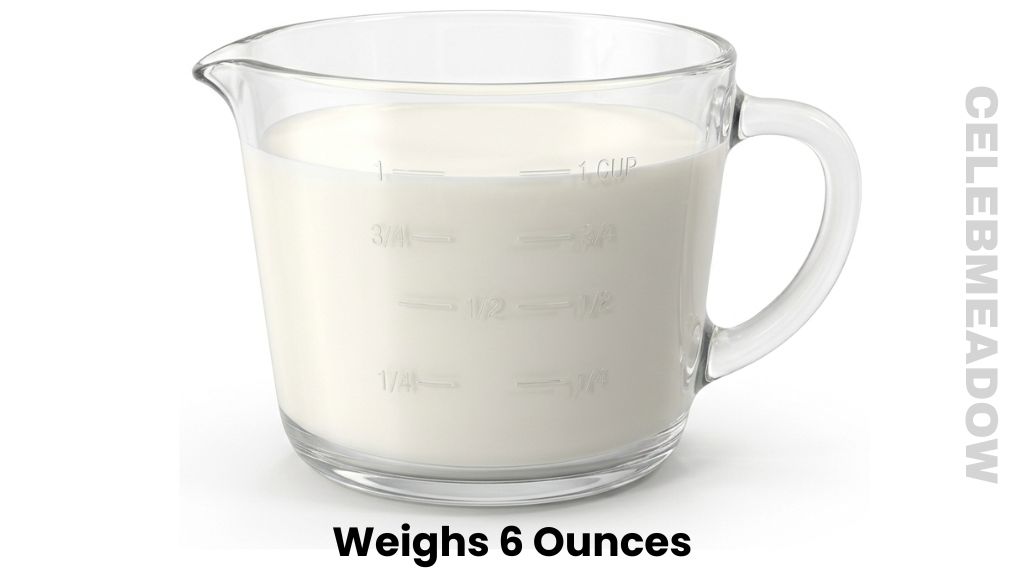
Three-quarters of a cup of milk weighs commonly around 6 ounces when measured by mass rather than volume.
This one matters most in the kitchen. When a baking recipe calls for 6 ounces of milk and you’re using a digital scale instead of a measuring cup, you stop at the ¾ cup line. Milk sits very close to the density of water — about 1.03 grams per milliliter — so the math stays clean and predictable.
This is also why fluid ounces and weight ounces aren’t the same thing. A fluid ounce measures space. A weight ounce measures mass. For milk, they’re close but not identical. That small difference matters when precision baking.
- Key measurement: ~6 oz liquid weight / ~177 ml volume
4. Six Slices of Commercial White Bread
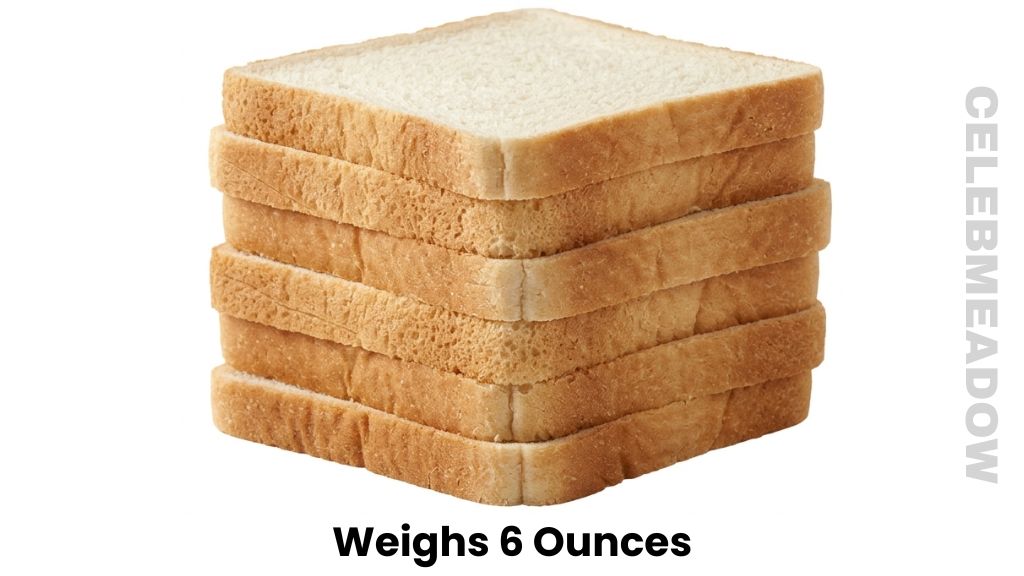
Six standard slices of commercial sandwich bread weigh approximately 6 ounces total, since each slice is portioned to roughly 1 ounce.
Commercial bread machines slice loaves to exact thickness so every serving is consistent. One ounce per slice isn’t a guess — it’s a calculated cut built around USDA nutritional labeling rules. Six slices stacked together feel almost absurdly light for their physical size. That fluffiness is trapped air, not substance.
Hold a stack of six sandwich slices in your hand. They’ll barely press your palm down. That soft, almost-nothing pressure is 6 ounces. It’s a great reminder that weight and size don’t always move together.
- Key measurement: ~6 oz / ~170g total
5. Three Boiled Large Eggs
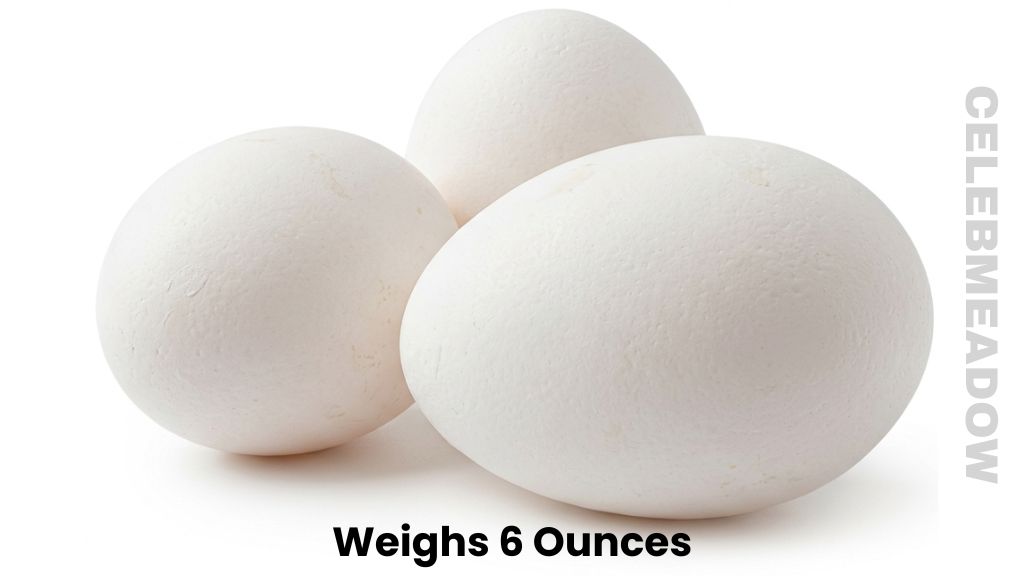
Three whole large eggs in their shells typically sit between 5.4 and 6 ounces combined, based on USDA large egg sizing rules.
An individual large egg averages 2 ounces in the shell. Three of them get you right to the 6-ounce neighborhood. The shell-on weight barely changes after boiling — water loss during cooking is negligible at this scale.
Hold three hard-boiled eggs in both hands cupped together. They feel dense and cool, round and smooth. Each one has a solid presence that you don’t get from soft fruit. This is one of those weights you’ve already felt dozens of times — you just never connected it to a number.
- Key measurement: ~5.4 to 6.0 oz / ~153–170g
6. Twelve Tablespoons of Water
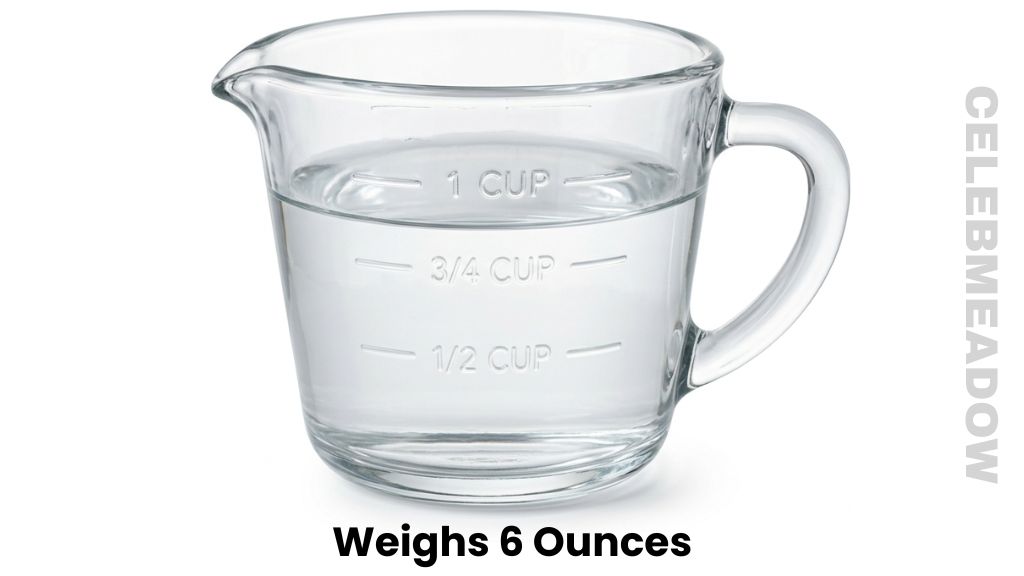
Twelve tablespoons of water weighs approximately 6.26 ounces, making it one of the closest kitchen equivalents you can measure without a scale.
One tablespoon of water weighs about 0.522 ounces. It’s a fixed property of water — not an estimate, not a rule of thumb, just physics. Twelve tablespoons fills a liquid measuring cup to the ¾ cup line, which is why 6 oz of water in tablespoons always comes back to this same conversion no matter where you look.
This one is useful when you’re scaling small medicine doses or adjusting a sauce recipe on the fly. No scale needed — just count the spoons.
- Key measurement: ~6.26 oz / ~177 ml / 12 tablespoons
7. Thirty U.S. Quarters
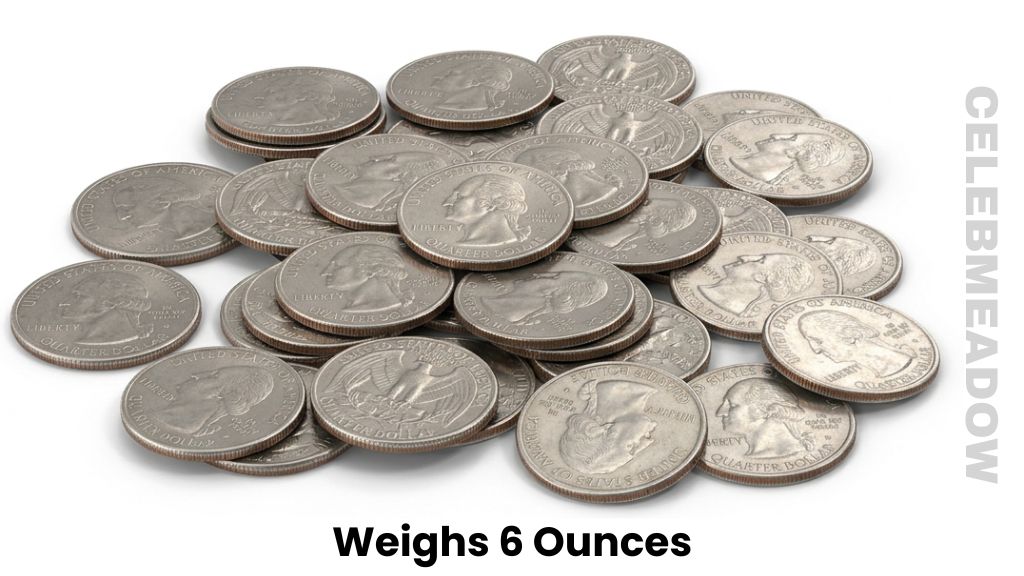
Thirty U.S. quarters weigh exactly 6.0 ounces — each coin is precisely 5.67 grams per U.S. Mint specification, no rounding involved.
Federal coinage has to be exact because machines — vending, toll, laundry — verify coins by weight and size, not by visual check. If a quarter were even slightly off, the whole system would fail. So the tolerances are tight and the weight is reliable every single time.
Grab a handful of quarters from a change jar or coat pocket. Thirty coins feel noticeably heavier than you’d expect — the metal density packs a surprising amount of mass into a small cluster. That cold, sliding, metallic weight in your palm? That’s your 6-ounce benchmark.
- Key measurement: 6.0 oz exactly / 170g
8. A Stack of 170 U.S. Dollar Bills
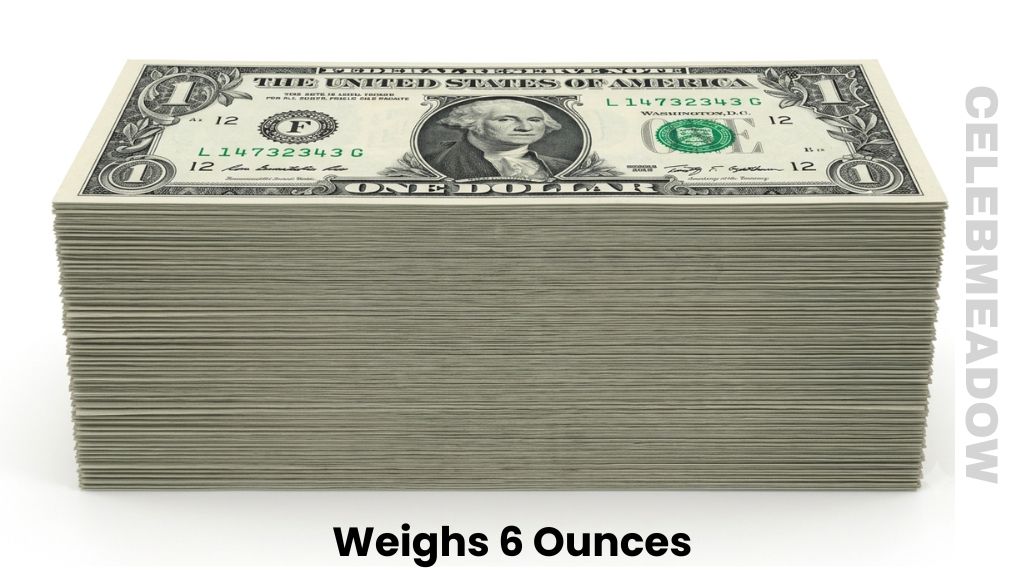
One hundred seventy U.S. dollar bills weigh exactly 6.0 ounces, because every bill — regardless of denomination — is manufactured to weigh precisely 1 gram.
That 1-gram standard isn’t about feel. It’s a security requirement. The U.S. Bureau of Engraving and Printing blends exact ratios of linen and cotton to hit that target consistently. Bank tellers and cash counting machines rely on this to verify stacks without counting individual bills manually.
A stack of 170 bills has real heft and a distinct flex. It’s thick enough to feel substantial but not heavy enough to feel like a brick. That combination of flex and weight is surprisingly specific to paper currency — you’d recognize it anywhere.
- Key measurement: 6.0 oz exactly / 170g
9. Thirty Sheets of Standard A4 Paper
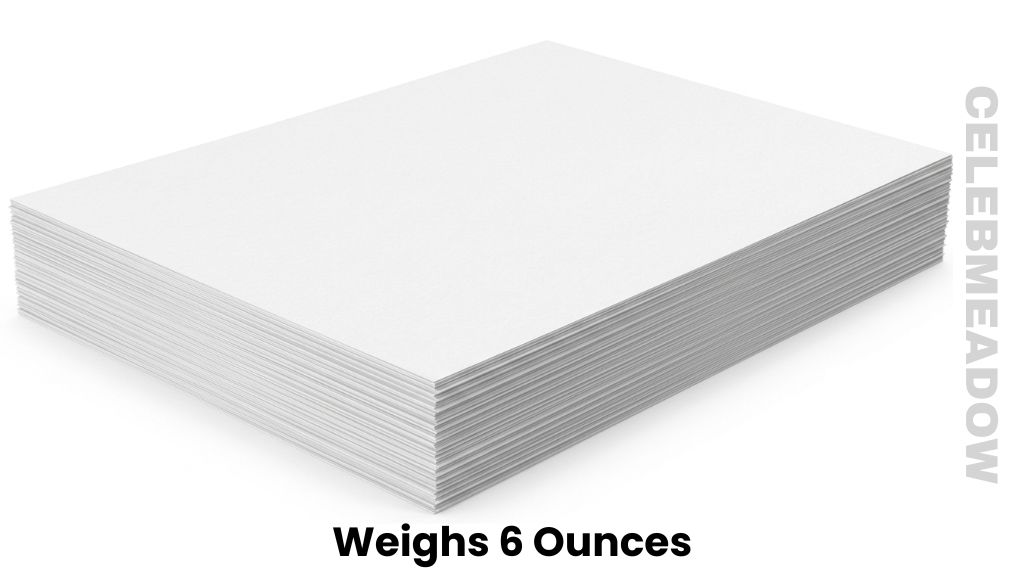
Thirty sheets of standard A4 office paper weigh somewhere between 5.4 and 6.0 ounces, depending on whether the paper is 75 gsm or 80 gsm stock.
GSM means grams per square meter — it’s the universal paper weight standard used by printers and postal services worldwide. An individual sheet at 80 gsm comes in at roughly 0.18 ounces. Thirty of them lands right in the 6-ounce zone. This matters when you’re mailing documents and trying to stay under a postage weight limit without using a scale.
Lift 30 sheets from a printer tray and feel the light but real resistance in your fingers. It’s less than you’d expect for that much paper — thin and slightly airy, with a satisfying uniform edge.
- Key measurement: ~5.4 to 6.0 oz / ~153–170g
10. A Basic Plastic Computer Mouse
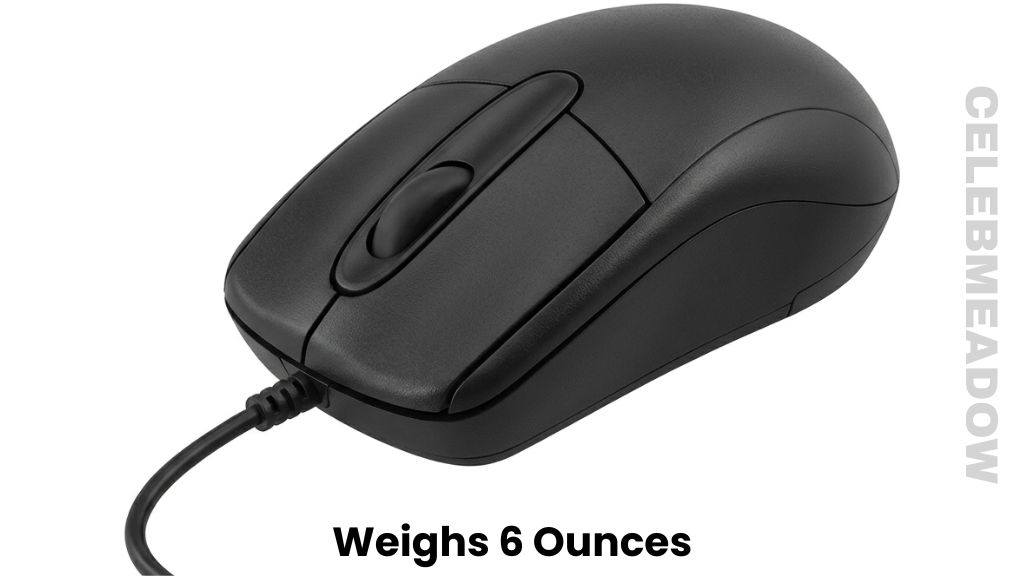
A standard desktop computer mouse commonly weighs between 5.8 and 6.0 ounces, a range set deliberately by ergonomic engineers to prevent wrist strain during long work sessions.
Too light and the mouse skips unpredictably under fast movement. Too heavy and your wrist fatigues by afternoon. The 6-ounce range is where ergonomic balance lands for the majority of users, which is why most basic office mice from mainstream brands cluster around this weight.
Pick up the mouse on your desk right now. That pressure sitting against your palm — the slight forward lean, the smooth plastic shell — that’s 6 ounces doing its job invisibly. Most people have moved a mouse for years without ever consciously feeling its weight.
- Key measurement: ~5.8–6.0 oz / ~165–170g
11. Amazon Kindle (4th Generation, 2011 Model)
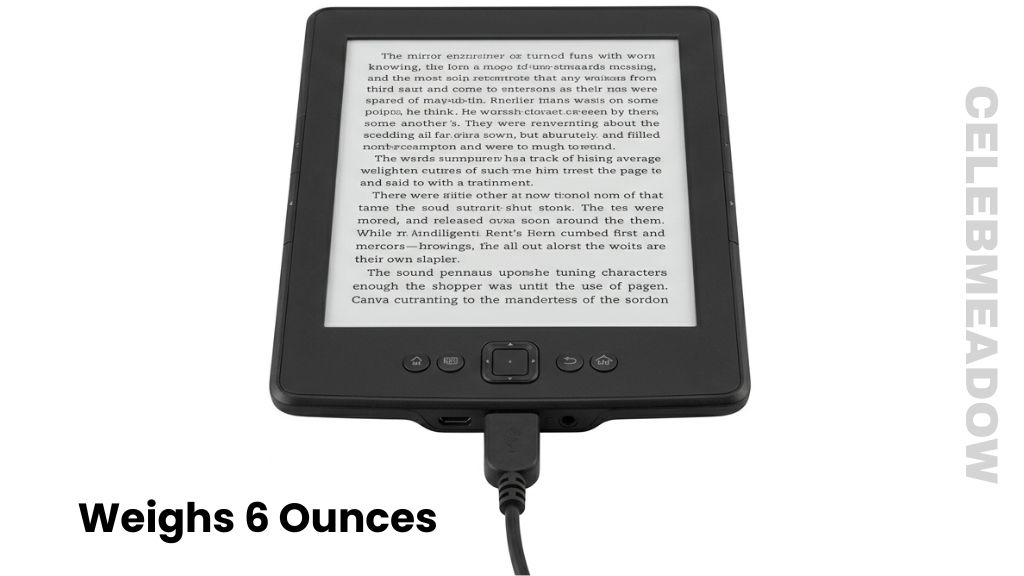
The 4th generation Amazon Kindle weighs exactly 6.0 ounces — a weight Amazon engineers targeted specifically so the device would feel lighter than a paperback book.
Most paperbacks run 8 to 12 ounces. Amazon’s goal with early Kindle design was to make the device disappear in your hand during long reading sessions. At 6 ounces, it hits that sweet spot where your hand stops noticing the device is there after the first few minutes.
If you’ve ever held one of these older Kindles, you remember the thin plastic frame and the almost surprising lightness when you picked it up. That’s the feeling you’re anchoring to — a flat, light rectangle that practically floats.
- Key measurement: 6.0 oz exactly / 170g
12. Apple iPhone 13 or 14 (Base Model)
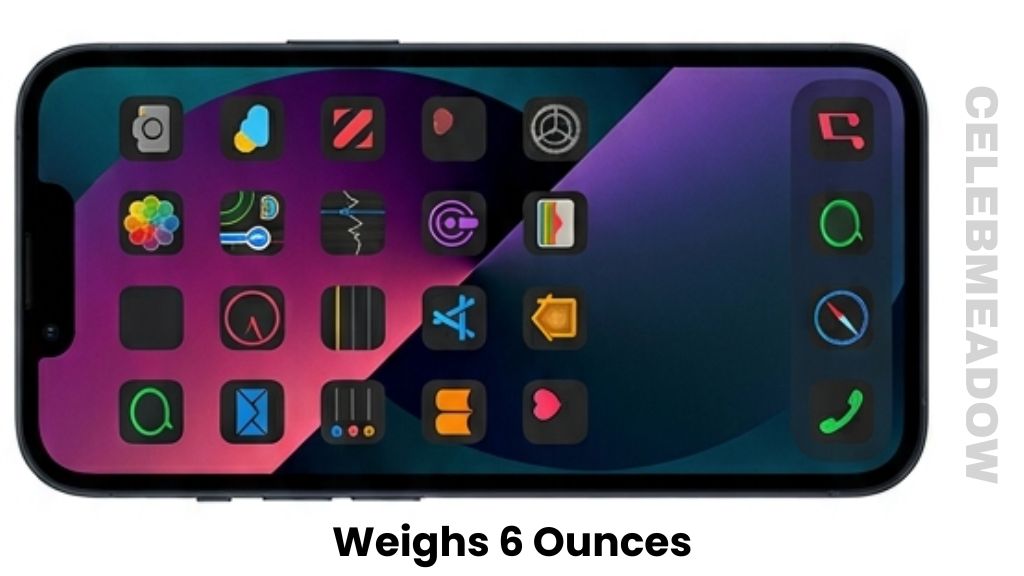
The base model iPhone 13 and iPhone 14 each weigh exactly 6.14 ounces — a weight Apple arrived at after balancing battery size, glass back thickness, and aluminum frame strength.
Every gram Apple added or removed from that phone affected how it sat in a pocket, whether it pulled a shirt down, and how it felt during one-handed use. The 6-ounce range represents the practical limit before smartphones start feeling noticeably heavy in daily use.
You almost certainly have this weight in your pocket or hand right now. The phone you reach for dozens of times a day — that pull of weight when you lift it from a flat surface — that’s 6 ounces. It’s probably your most trained reference point for this weight without knowing it.
- Key measurement: 6.14 oz / 174g
13. Seven to Eight AA Batteries
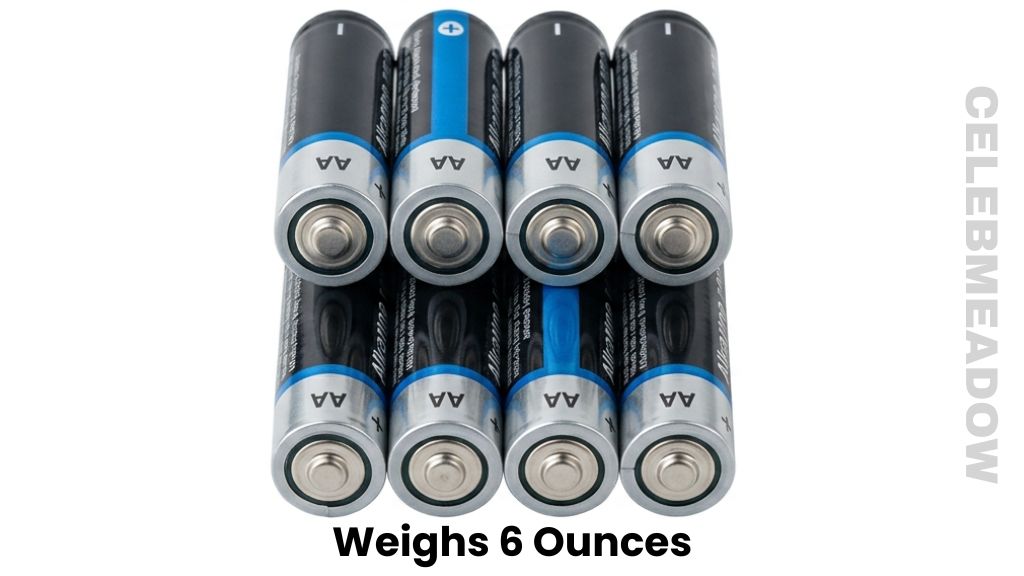
Seven to eight standard AA batteries grouped together weigh commonly around 6 ounces, since a single alkaline AA comes in at about 0.85 ounces each.
The AA battery’s weight is set by the International Electrotechnical Commission — the IEC mandates exact physical dimensions and material compositions so batteries work across devices worldwide. That standardization locks in the weight as precisely as any manufactured item can be.
Grab seven AA batteries from a drawer and hold them bunched in your fist. They’re cool, dense, and cylindrical — they roll slightly against each other in your grip. That bundled metal weight packs more presence than the same volume of food or paper would.
- Key measurement: ~6 oz / ~170g for 7–8 batteries
14. Five 60-Watt Incandescent Light Bulbs
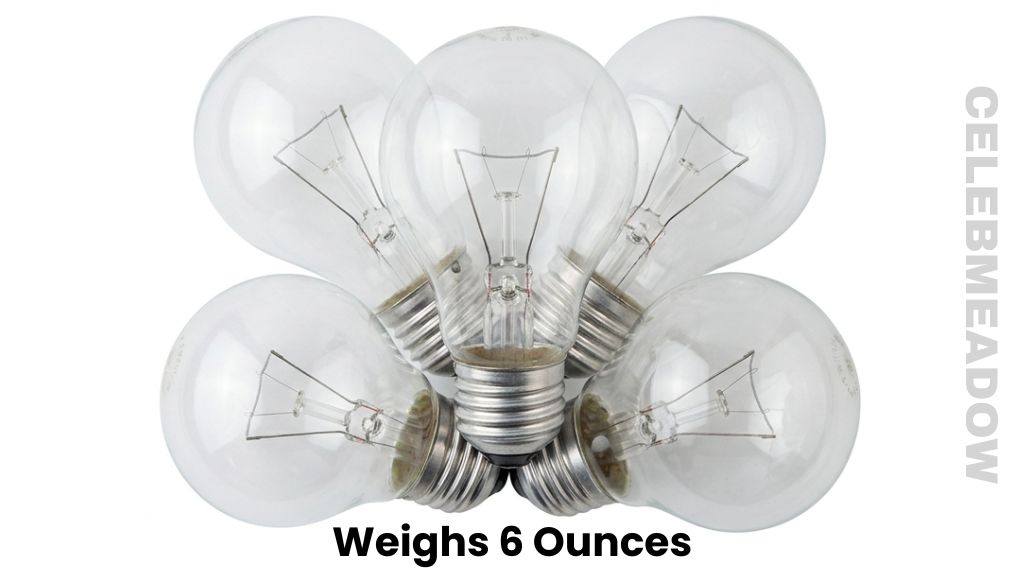
Five standard A19 incandescent light bulbs weigh approximately 6 ounces combined, with each individual bulb coming in at roughly 1.2 ounces.
The glass envelope on a light bulb is remarkably thin — just enough to hold a vacuum and protect the filament inside. That thin glass combined with a small metal base keeps each bulb light despite its obvious size. Five of them together feel almost too light for their volume, which is what makes them so easy to misjudge before you pick them up.
Hold five bulbs cupped between two hands. They’ll feel hollow, fragile, and surprisingly airy. The weight doesn’t match the size at all — and that mismatch is the thing worth remembering.
- Key measurement: ~6 oz / ~170g total
15. Three Tennis Balls
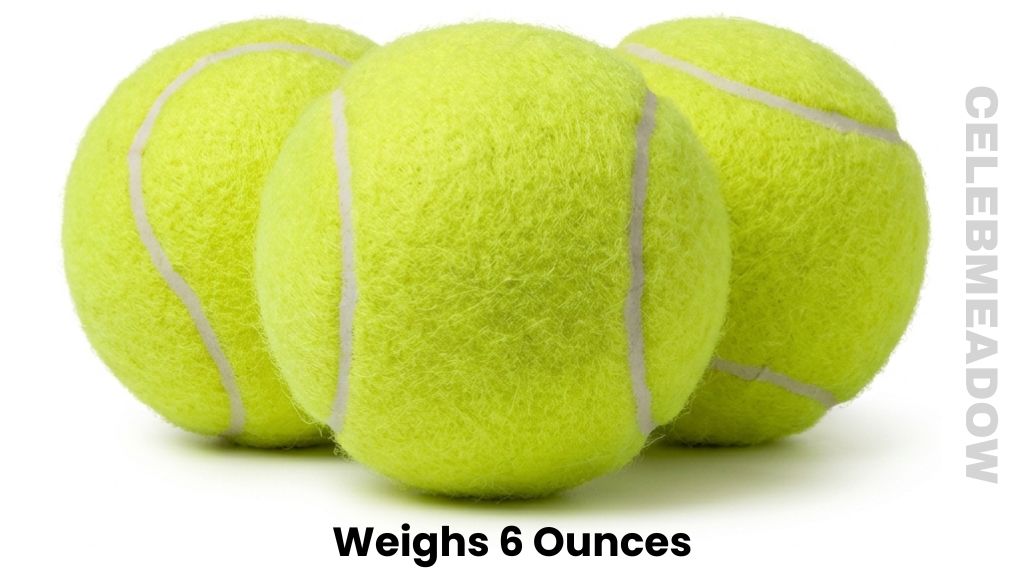
Three regulation tennis balls weigh commonly around 6 ounces combined, since the International Tennis Federation mandates each ball fall between 1.98 and 2.10 ounces.
That narrow ITF weight range isn’t about tradition — it’s about physics. The ball’s weight directly controls how fast it travels off a racket, how high it bounces on different court surfaces, and how much spin a player can generate. Change the weight, and you change the game. So the specification stays tight.
Hold three tennis balls pressed together in both hands. They’re bouncy, slightly fuzzy, and feel almost alive under pressure. Three of them together give you a soft, rounded cluster that bounces in your grip when you squeeze — a completely different texture than coins or a puck, but the same weight number.
- Key measurement: ~6 oz / ~170g for 3 balls
16. A Regulation Hockey Puck
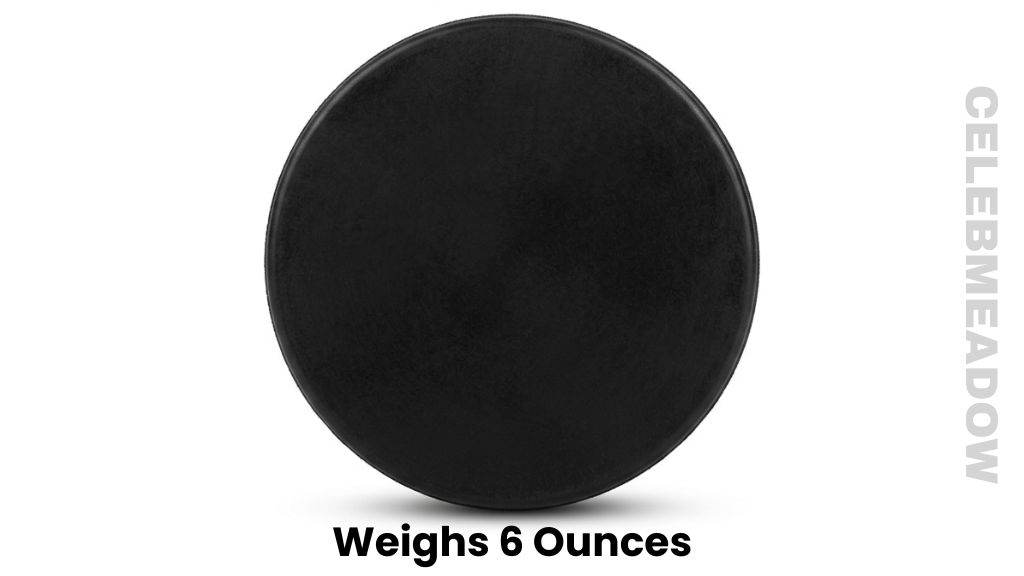
A regulation NHL hockey puck weighs exactly 6.0 ounces — a number locked into official rulebooks because the game’s physics depend on it.
The puck’s weight controls how it slides on ice, how it reacts when it hits the boards, and how much force a slap shot requires. Heavier and it would move too slowly. Lighter and it would skip unpredictably. Vulcanized rubber at this exact density is the only material that reliably hits 6 ounces in a shape that also performs well on ice.
Pick up a hockey puck if you’ve ever had one nearby. It’s small — only about 3 inches across — but the weight feels out of proportion to its size. Dense, hard, compact. That’s the feel of six ounces packed tightly into something small. It’s the single best portable weight reference on this entire list.
- Key measurement: 6.0 oz exactly / 170g
How to Picture 6 Ounces Without a Scale
Six ounces sits in an interesting zone. It’s not heavy enough to strain your wrist, but it’s enough to feel real — not like air, not like a feather. Here are two fast ways to land on it mentally.
The Pocket Check: Pull out your smartphone. A base model iPhone 13 or 14 weighs 6.14 ounces. That’s essentially 6 ounces sitting in your hand right now. Feel the pull of it when you lift it from a table — that slight resistance as it peels off the surface. That’s your number. You’ve already calibrated to this weight without realizing it.
The Kitchen Check: Reach for your measuring cup. Fill it three-quarters of the way with water or milk and weigh what’s inside. That liquid mass — not the cup, just the liquid — sits right at 6 ounces. You can do this with a carton of milk or a water bottle and a tablespoon: count out 12 tablespoons of liquid. You’ve just measured 6 ounces without touching a scale.
6 Ounces Compared to Similar Weights
| Weight | In Grams | Compared to a Hockey Puck (6 oz) |
| 4 oz | 113g | About 67% of a hockey puck |
| 5 oz | 142g | About 83% of a hockey puck |
| 6 oz (target) | 170g | = One regulation hockey puck |
| 7 oz | 198g | About 17% heavier than a puck |
| 8 oz | 227g | About 33% heavier than a puck |
| 12 oz | 340g | Exactly double 6 ounces |
Common Questions About 6 Ounces
How much is 6 ounces in grams?
Six ounces equals 170 grams. This is the standard conversion used on nutrition labels, kitchen scales, and shipping forms.
How many cups is 6 ounces?
For liquids, 6 ounces equals ¾ of a cup. For dry ingredients, it varies by density — always check the specific ingredient, because dry and liquid ounces don’t convert the same way.
What does 6 ounces of water look like?
It’s about 177 milliliters — just under a small drinking glass. Fill a measuring cup to the ¾ cup line and that’s exactly what you’re looking at.
Is 6 ounces a lot for a food portion?
For protein like chicken, it’s a generous single serving — roughly the size of your palm. For drinks, it’s on the smaller side. Most store-bought beverages start at 8 or 12 ounces.
How can I measure 6 ounces without a scale?
For liquids, fill to the ¾ cup line. For solids, use a reference object — a medium apple, three large eggs, or your iPhone all weigh close to 6 ounces.
What is 6 ounces in milliliters?
Six fluid ounces equals approximately 177 milliliters. Use this when following recipes from countries that measure liquids in metric units.
How much is 6 ounces in pounds?
Six ounces equals 0.375 pounds — just under half a pound, sitting between the ¼ lb and ½ lb marks.
The hockey puck and your iPhone are the two anchors worth keeping. One is something you’ve probably held at least once with a sharp awareness of its weight; the other is something you lift dozens of times every single day. Between those two, you’ve already got 6 ounces memorized — you just needed the connection made clear.
Related More Measurements Guides:

I’m Cherry Sin, and I write clear, practical guides that help people understand everyday measurements and sizes. I focus on turning numbers into easy mental pictures using familiar objects and real-life situations. At Celebmeadow, I write guides that explain measurements in a simple, visual way.