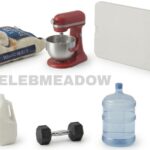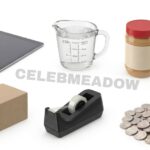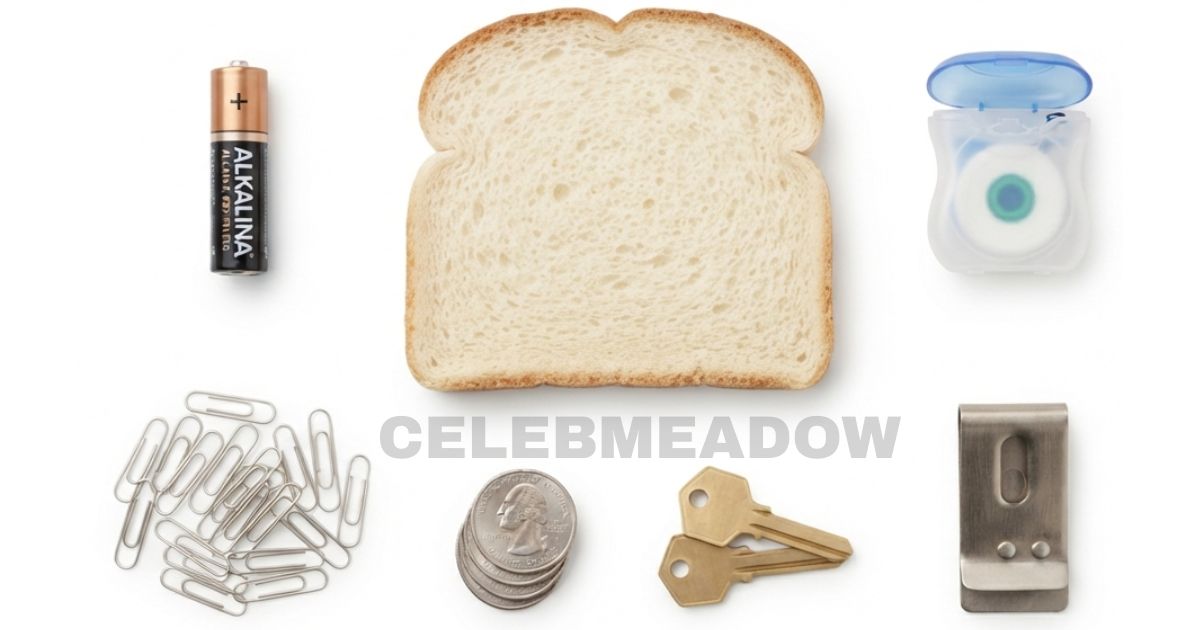
You’re measuring out ingredients, packing a carry-on bag, or trying to calibrate a small kitchen scale — and suddenly 1 ounce feels completely abstract. Is it light? Heavy? Barely anything? One ounce equals 28.35 grams, which is roughly 0.0625 pounds or about 0.028 kilograms. It’s not nothing, but it’s close. The good news: you’re probably holding or sitting near something that weighs exactly this right now.
How much is an Ounce? Quick Conversions Chart
| Unit | Value |
| Ounces | 1 oz |
| Grams | 28.35 g |
| Pounds | 0.0625 lb |
| Kilograms | 0.028 kg |
| Milligrams | 28,350 mg |
10 Common Things That Weigh 1 Ounce
| Object | Category | Weight | Exact or Approximate |
| Slice of white bread | Food | ~1.00 oz / 28 g | Approximate |
| AA alkaline battery | Electronics | ~0.85–0.95 oz / 24–27 g | Approximate |
| Travel dental floss container | Toiletry | ~1.00 oz / 28.35 g | Approximate |
| Compact Disc (CD) | Media | ~1.00 oz / 28.35 g | Approximate |
| 6 sheets of A4/Letter paper | Office | ~1.00 oz / 28.35 g | Approximate |
| Pair of plastic sunglasses | Eyewear | ~0.90–1.10 oz / 25–31 g | Approximate |
| 28 standard paperclips (No.1) | Office | 1.00 oz / 28.35 g | Exact |
| 2 brass padlock key blanks | Hardware | ~1.00 oz / 28.35 g | Approximate |
| Metal tape measure belt clip | Tools | ~1.00 oz / 28.35 g | Approximate |
| 5 U.S. Quarters | Currency | 1.00 oz / 28.35 g | Exact |
1. A Slice of Store-Bought White Bread
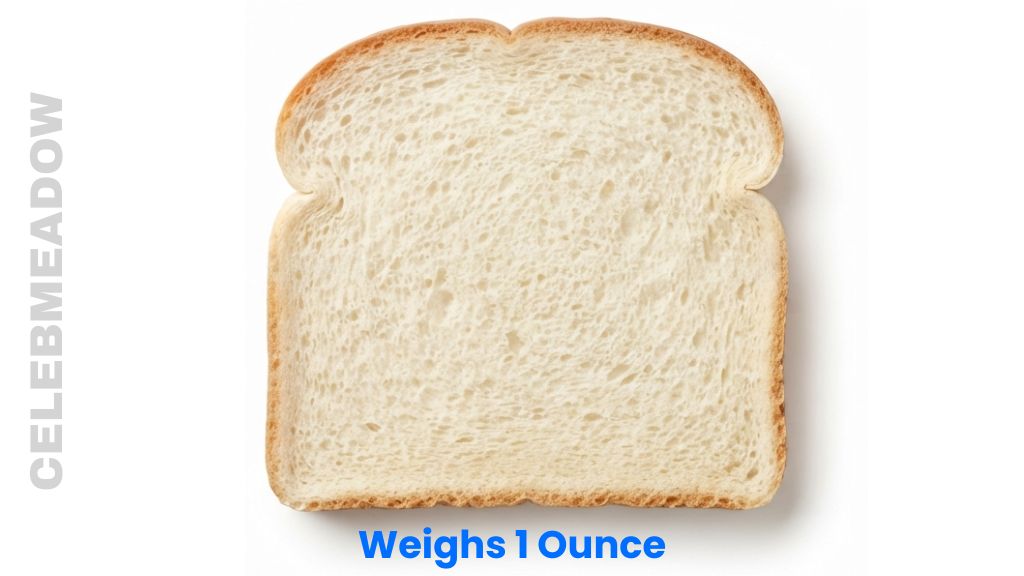
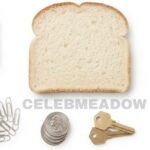
A standard slice of commercially baked white sandwich bread comes in commonly around 1 ounce (28 g).
Ever wonder why every slice in a store loaf looks nearly identical? Industrial baking pans and slicing blades are set to very tight tolerances — not for aesthetics, but to keep nutritional labels accurate and to make sure every slice fits a standard toaster slot. That manufacturing precision accidentally makes this one of the most reliable 1-ounce references you’ll ever find in your kitchen.
Pick up a bare slice right now and hold it flat on your palm. That slight, almost ghostly pressure? That’s one ounce doing its job. It’s feather-light but real — and knowing this makes calorie tracking and recipe scaling surprisingly grounded.
Key measurement: ~1.00 oz / 28 g
2. A Standard AA Alkaline Battery
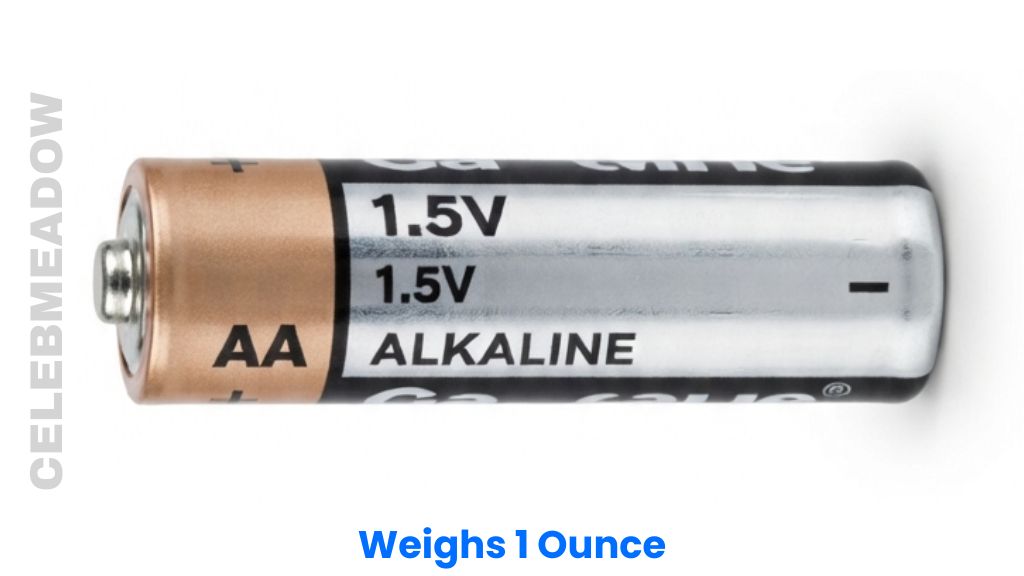
A single AA battery sits commonly around 0.85 to 0.95 oz (24–27 g) — just a hair under a full ounce, depending on the brand.
The weight isn’t random. It comes from the density of zinc and manganese dioxide packed inside a standardized steel casing — a size that global electronics manufacturers locked in decades ago so one battery fits every remote, flashlight, and toy worldwide. That density is why it feels noticeably heavier than it looks.
Roll one between your fingers right now. It has a satisfying solid feeling — cool metal, small but surprisingly firm. When you’re packing a travel bag and wondering whether to toss in spare batteries, remember: a pair of them barely tips the scale past 1.7 oz total.
Key measurement: ~0.85–0.95 oz / 24–27 g
3. A Travel-Sized Container of Dental Floss
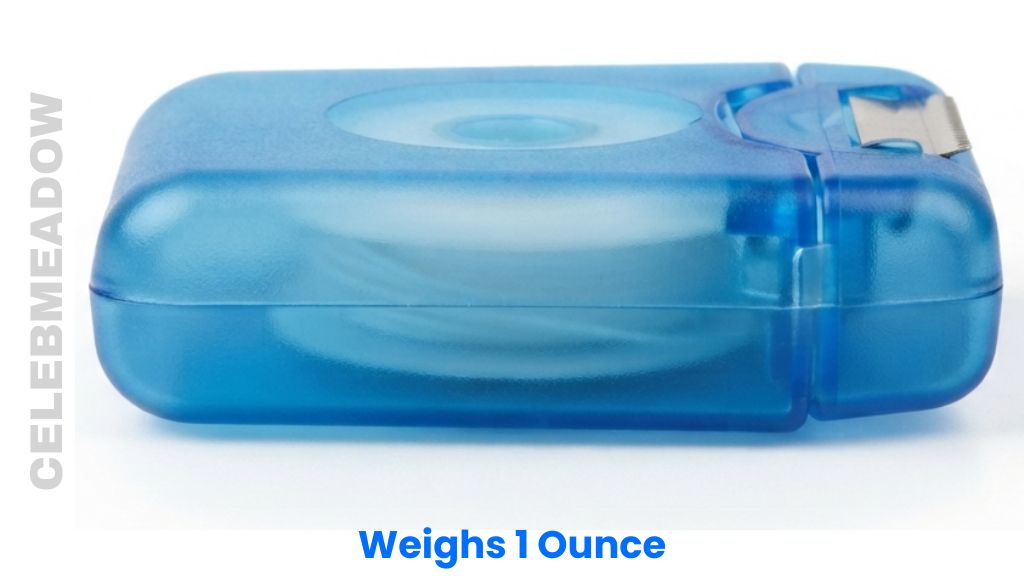
A complete travel dental floss container — plastic casing, spool, and all — comes in commonly around 1 oz (28.35 g).
Nearly all of that weight is the hard plastic housing and built-in metal cutter, not the thread itself. The casing is shaped and weighted this way so the spool spins without the whole unit flipping in your hand — a small engineering detail most people never think about. The thread inside weighs almost nothing.
Grab one from your bathroom cabinet and cradle it in two fingers. It feels oddly dense for its size — small, rigid, self-contained. This makes it a genuinely useful carry-on weight reference when you’re trying to keep your toiletry kit under airline limits.
Key measurement: ~1.00 oz / 28.35 g
4. A Compact Disc (CD)
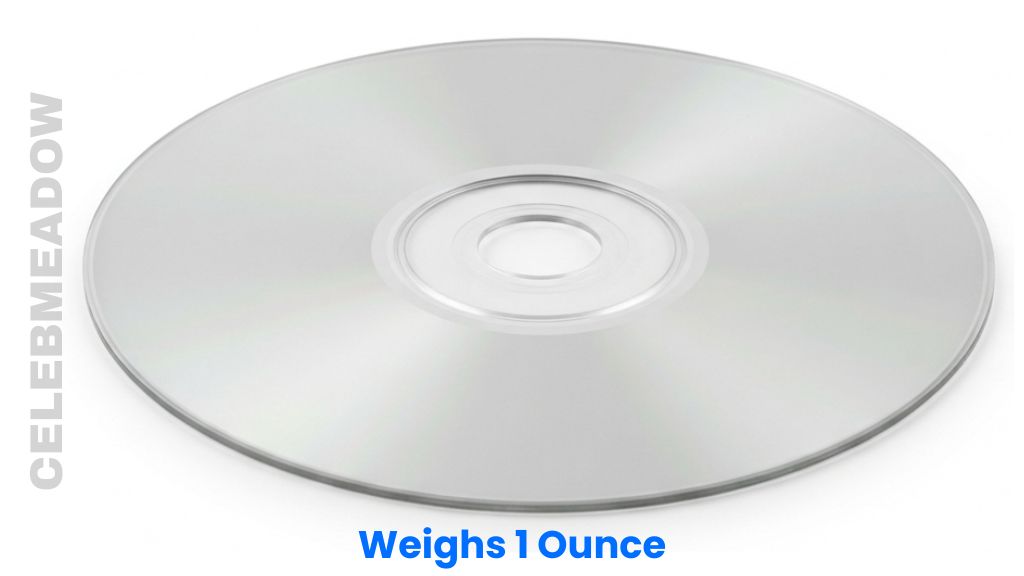
A standard 12 cm polycarbonate CD, held bare without its jewel case, weighs commonly around 1 oz (28.35 g).
That exact weight was part of the original Philips-Sony Red Book standard — the global specification that made CDs work in every player on earth. The disc needed to spin at high RPM without warping or wobbling, so the material thickness and diameter were fixed very precisely. Too light and it vibrates. Too heavy and the motor strains.
Hold an old CD flat in your palm. It’s rigid, almost weightless-feeling, yet when you place it down, it has real presence. If you’re mailing a stack of discs, five of them together weigh about 5 oz — a useful calculation for postage.
Key measurement: ~1.00 oz / 28.35 g
5. Six Sheets of A4 / Letter Paper
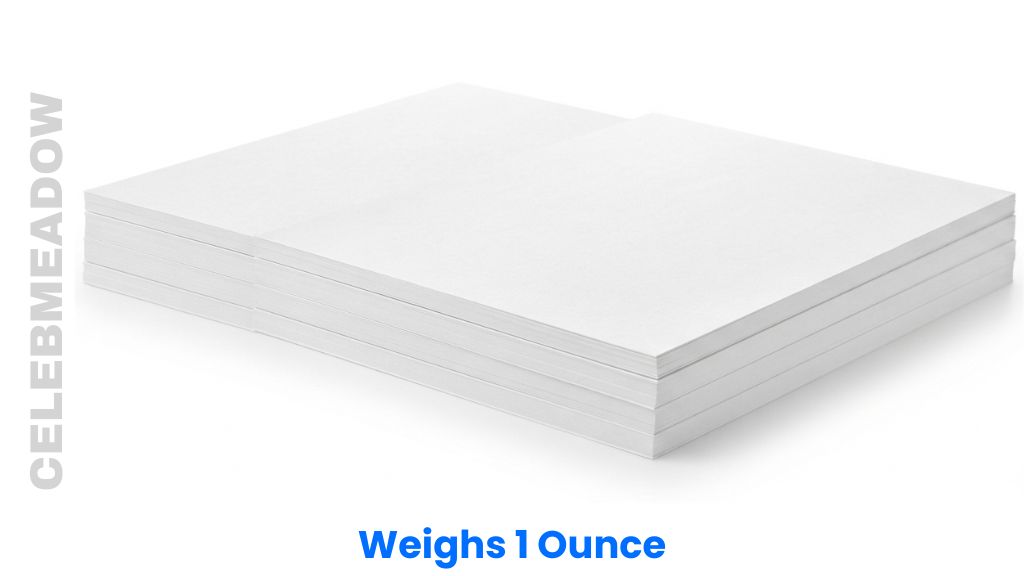
Six flat, unfolded sheets of standard office printer paper (20 lb bond / 75 gsm) weigh commonly around 1 oz (28.35 g) combined.
Paper weight is one of the strictest manufacturing standards in the office supply world. The 75 gsm rating means every square meter of that paper weighs exactly 75 grams — and that consistency exists so copiers and printer feed trays don’t jam, misfeed, or skew. It’s not a coincidence. It’s engineered.
Take six sheets from your printer tray right now and hold them. They barely register on your palm — a light, crisp, almost papery nothing. But this helps you understand postage calculations: a short letter with a few pages weighs roughly half an ounce, while a small packet of documents quickly adds up.
Key measurement: ~1.00 oz / 28.35 g
6. A Pair of Plastic Sunglasses

A casual pair of plastic or polycarbonate sunglasses — frame, lenses, hinges, and all — weighs commonly between 0.90 and 1.10 oz (25–31 g).
That range is not accidental. Eyewear designers work hard to keep sunglasses inside this window because anything heavier starts to press painfully on the bridge of your nose after an hour. Anything lighter and the frames feel flimsy and don’t stay in place. The weight is dialed in for all-day comfort.
Put a pair on your face and then take them off — notice how little you felt when they were on? That’s the point. Now hold them in your hand and you’ll feel a surprising but gentle weight. For runners or cyclists tracking gear load, knowing sunglasses are roughly an ounce helps add up total kit weight fast.
Key measurement: ~0.90–1.10 oz / 25–31 g
7. 28 Standard Paperclips (Size No. 1)
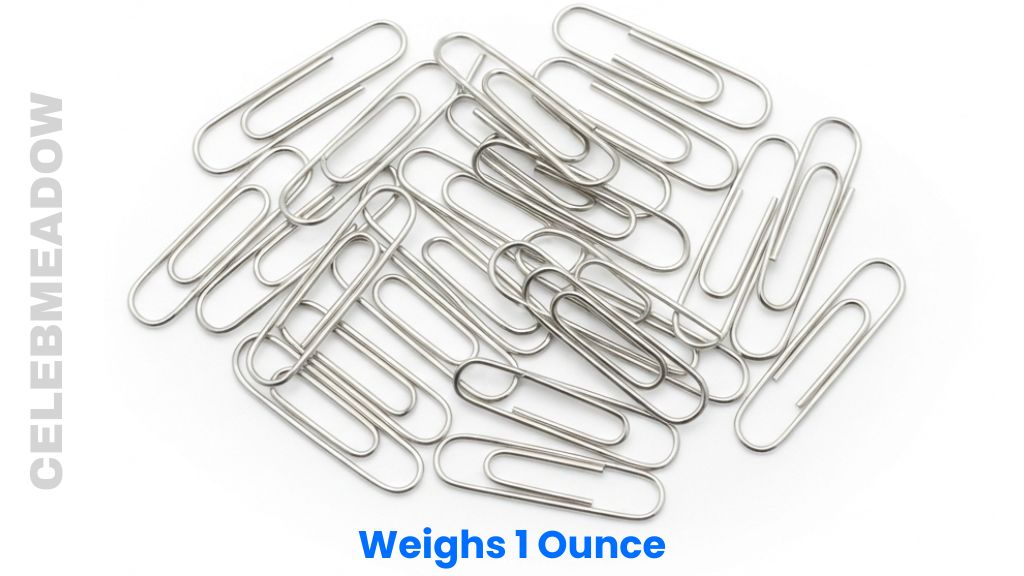
Exactly 28 standard No. 1 metal wire paperclips weigh precisely 1.00 oz (28.35 g) — one gram per clip.
That one-gram-per-clip figure comes from wire gauge specifications set so each clip holds 2–10 sheets without bending out of shape permanently. Too thin and the wire deforms. Too thick and it’s hard to clip on. The wire diameter is a tight engineering call, and it results in a perfectly consistent weight across almost every brand.
Scoop 28 paperclips into your palm right now. It feels like a gentle handful of small cold wires — light as a bunch of toothpicks but denser. This is actually a practical trick: if you ever need to roughly calibrate a small postal or kitchen scale, 28 paperclips gives you a reliable 1 oz test weight.
Key measurement: 1.00 oz / 28.35 g (exact)
8. Two Brass Padlock Key Blanks
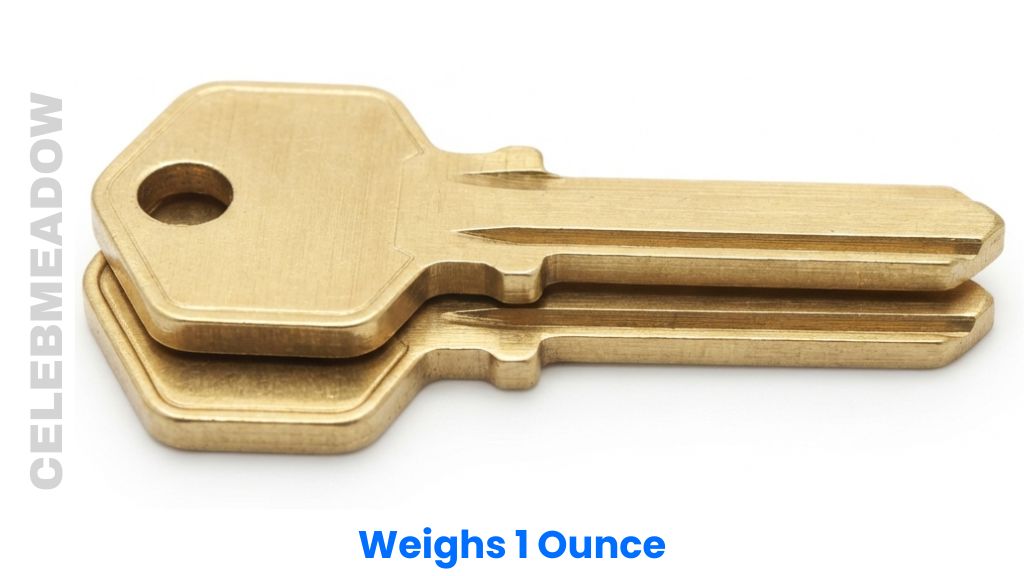
Two raw, uncut brass key blanks for standard padlocks together weigh commonly around 1 oz (28.35 g) as a pair.
Brass is the standard material for key blanks because it’s soft enough for cutting machines to profile cleanly, but hard enough that the finished key survives thousands of uses without snapping. The thickness tolerances are set by industrial milling machine specifications — not by the locksmith. Each blank weighs roughly half an ounce on its own.
Hold two flat key blanks stacked together in your fingers. They feel cold, heavy for their size, and smooth — almost like a small metal card. The dense, satisfying weight of brass gives a clear sense of what a true half-ounce feels like per piece, which makes this a good mental anchor for very small metallic objects.
Key measurement: ~1.00 oz / 28.35 g (pair)
9. A Metal Tape Measure Belt Clip
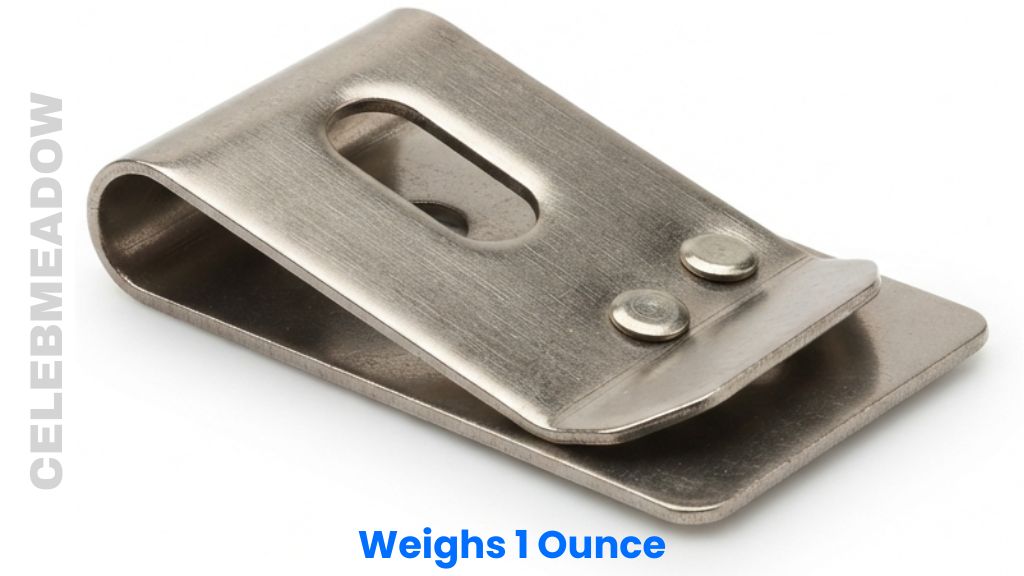
The stamped spring steel clip on the side of a standard tape measure weighs commonly around 1 oz (28.35 g) on its own.
This clip has to flex over a thick work belt thousands of times without losing its grip or snapping — which means it’s made from heat-treated steel at a very specific thickness. Go thinner and it loses tension. Go thicker and it becomes too stiff to clip on smoothly. The weight is a direct result of that structural requirement, not a design choice.
Pull the clip off any old tape measure and hold it in your fingers. It’s rigid, sharp-edged, and noticeably heavy for something so small. For anyone managing tool belt weight on long construction days, knowing each clip-style fastener runs about an ounce helps you understand where the pounds start to add up by the end of a shift.
Key measurement: ~1.00 oz / 28.35 g
10. Five U.S. Quarters
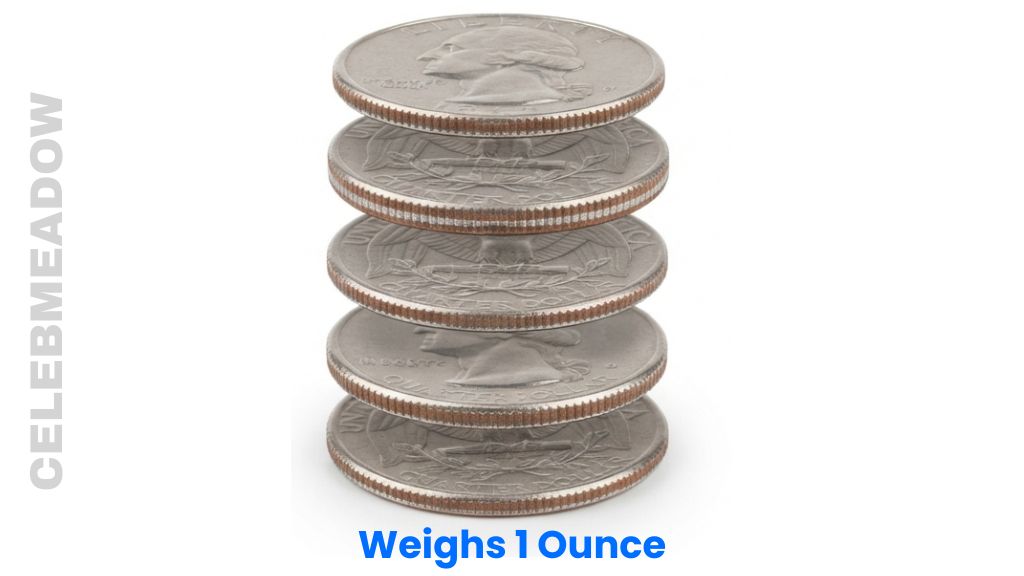
Five standard U.S. quarters weigh exactly 1.00 oz (28.35 g) — the U.S. Mint fixes each coin at precisely 5.670 grams.
That weight is written into U.S. coinage law under the Coinage Act of 1965. It doesn’t change with inflation, design updates, or commemorative editions. Every clad quarter from 1965 onward hits 5.670 g. This makes quarters one of the most reliable small weight references you can find in everyday life — no guessing, no approximation.
Stack five quarters and drop them into your palm. The cool metal weight sits there solidly — heavier than a few paperclips, lighter than your phone. Coin collectors and small digital scale calibrators use this exact trick all the time. If your scale reads 28.35 g when you set five quarters on it, it’s accurate.
Key measurement: 1.00 oz / 28.35 g (exact)
How to Picture 1 Ounce Without a Scale
The easiest way to feel one ounce is through your hand, not through numbers.
The Pocket Check: Reach into your pocket or wallet and pull out five quarters. Stack them and hold the pile flat on your open palm. That gentle, cool pressure is exactly one ounce. No estimation needed — the U.S. Mint guarantees it. If you don’t have quarters handy, a single AA battery from your TV remote comes within a few grams of the same weight and gives you the same basic sense of scale.
The Kitchen Check: Walk to your bread box and pull out a single slice of sandwich bread. Hold it flat on your palm like a serving tray. That almost-nothing, paper-thin weight pressing down is one ounce. It’s surprisingly light — and that’s the point. One ounce is not a handful. It’s not even close to filling your hand. It’s a ghost of a weight, sitting just at the edge of what your palm can barely register without concentrating.
1 Ounce Compared to Similar Weights
| Weight | In Grams | Compared to 1 oz |
| 0.5 oz | 14.17 g | Half a CD |
| 0.75 oz | 21.26 g | About 21 paperclips |
| 1 oz (target) | 28.35 g | 5 U.S. quarters |
| 1.5 oz | 42.52 g | A full AA battery + half a bread slice |
| 2 oz | 56.70 g | Ten quarters / two CDs |
| 4 oz | 113.40 g | One standard stick of butter |
Common Questions About 1 Ounce
How much does 1 ounce weigh in grams?
One ounce equals 28.35 grams. This is the standard avoirdupois ounce used for everyday objects, food, and shipping. It’s different from a troy ounce (31.1 g), which is used specifically for precious metals like gold and silver.
How is 1 ounce different from 1 fluid ounce?
A regular ounce measures dry weight. A fluid ounce measures liquid volume. One fluid ounce of water equals about 29.57 ml and weighs very close to 1 oz, but the two units are not interchangeable across all liquids — oil, for example, weighs slightly less per fluid ounce than water does.
What household item weighs exactly 1 ounce?
Five U.S. quarters weigh exactly 1 ounce per U.S. Mint specifications — no estimation required. A bare CD and a slice of sandwich bread both come very close as well, sitting commonly around 28 g.
How can I measure 1 ounce without a scale?
Stack five U.S. quarters in your palm — that’s exactly 1 oz. You can also use 28 standard No. 1 paperclips, which hit exactly 28.35 g total. Both methods are reliable enough to give a genuine physical sense of the weight without any measuring tool.
How many tablespoons is 1 ounce?
For water and most thin liquids, 1 fluid ounce equals 2 tablespoons. For dry ingredients, it depends on density — 1 oz of flour is about 3.5 tablespoons, while 1 oz of sugar is closer to 2.25 tablespoons.
How many cups is 1 ounce?
One fluid ounce equals ⅛ of a cup (0.125 cups). There are 8 fluid ounces in a standard U.S. cup, so one ounce is a small but real portion — about two tablespoons poured into a measuring cup.
How much is 1 ounce of gold worth compared to regular weight?
Gold is measured in troy ounces, not standard ounces. One troy ounce equals 31.1 grams, which is slightly heavier than the 28.35 g avoirdupois ounce used for everyday items. When you hear gold prices quoted per ounce, that figure always refers to the troy ounce.
Five quarters in your palm. A slice of bread resting on your fingers. Twenty-eight paperclips piled in a small heap. These three images cover the full physical range of what one ounce actually feels like — from cold and metallic, to soft and airy, to light and scattered. Once you’ve felt any one of them, the abstract number disappears and the real weight takes its place. An ounce is light, but it’s real — and now you know exactly how real it is.
Realated More Measurements Guides:

I’m Cherry Sin, and I write clear, practical guides that help people understand everyday measurements and sizes. I focus on turning numbers into easy mental pictures using familiar objects and real-life situations. At Celebmeadow, I write guides that explain measurements in a simple, visual way.