You’re eyeballing a shipping label, measuring a spice rub, or portioning something for a recipe — and the number “2 ounces” just sits there, completely abstract. Knowing how much is 2 ounces becomes a lot easier when you stop trying to picture the number and start picturing something you’ve already held. Two ounces equals 56.7 grams, which is 0.125 pounds — light enough to forget it’s in your pocket, but solid enough to feel deliberate in your palm.
How Much is 2 Ounces? Quick Conversions
| Unit | Value |
| Ounces | 2 oz |
| Grams | 56.7 g |
| Pounds | 0.125 lb |
| Kilograms | 0.057 kg |
| Milliliters (water) | ~59 ml |
| Tablespoons (liquid) | ~4 tbsp |
| Cups | ~0.25 cup (¼ cup) |
17 Everyday Things That Weigh 2 Ounces
| Object | Category | Weight (oz) | Weight (g) | Exact or Approximate? |
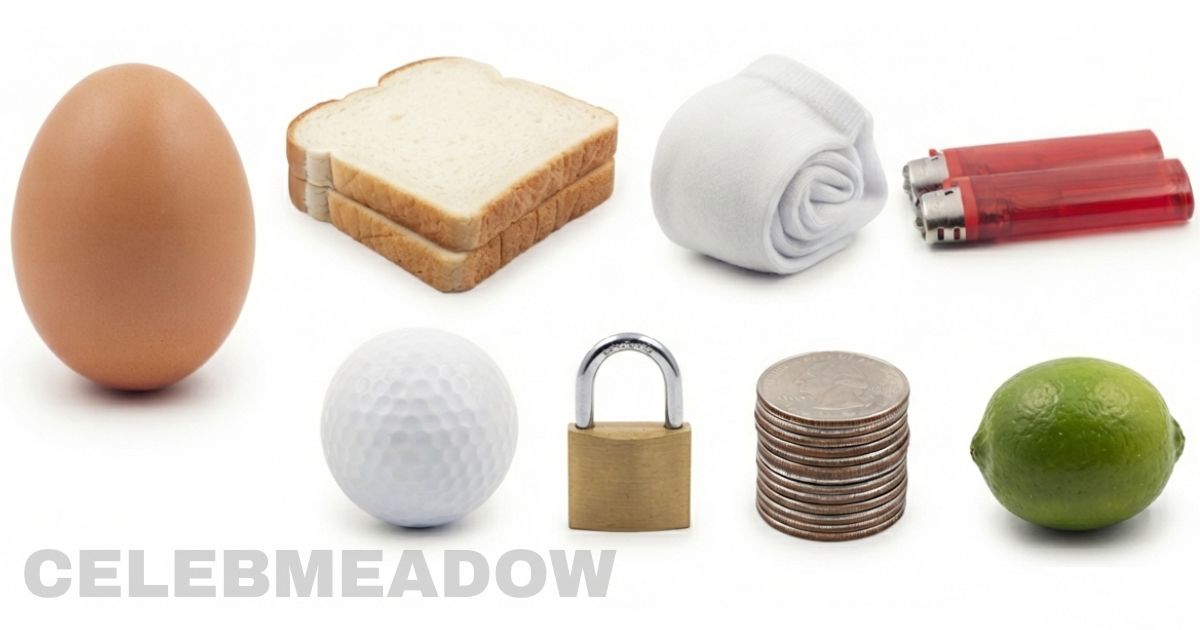
| Ten U.S. Quarter Dollars | Currency | 2.0 oz | 56.70 g | Exact |
| Large Chicken Egg | Food | ~2.0 oz | ~56.7 g | Approximate |
| Two Slices of Sandwich Bread | Food | ~2.0 oz | ~56.7 g | Approximate |
| Two Slices of American Cheese | Food | ~2.0 oz | ~56.7 g | Approximate |
| Full-Sized Snickers Bar | Food | ~1.86–2.0 oz | ~52–56.7 g | Approximate |
| Small-to-Medium Lime | Fruit | ~2.0 oz | ~56.7 g | Approximate |
| ¼ Cup of Granulated Sugar | Food Ingredient | ~1.76–2.0 oz | ~50–56.7 g | Approximate |
| Full Dental Floss Container | Personal Care | ~2.0 oz | ~56.7 g | Approximate |
| Two BIC Disposable Lighters | Household Item | ~2.0 oz | ~56.7 g | Approximate |
| Pair of Ankle Socks | Clothing | ~2.0 oz | ~56.7 g | Approximate |
| Men’s Silk Necktie | Clothing | ~2.0 oz | ~56 g | Approximate |
| Two AA Alkaline Batteries | Electronics Accessory | ~1.7–1.9 oz | ~48–54 g | Approximate |
| iPhone USB-C Charger Block | Electronics Accessory | ~1.94 oz | ~55 g | Approximate |
| Half a Deck of Playing Cards | Game Item | ~1.75–2.0 oz | ~50–56 g | Approximate |
| Small Padlock | Hardware | ~2.0–3.0 oz | ~56–85 g | Approximate |
| Regulation Tennis Ball | Sports Equipment | 1.98–2.10 oz | 56.0–59.4 g | Exact (ITF regulated) |
| Regulation Golf Ball | Sports Equipment | max 1.62 oz | max 45.93 g | Exact (USGA/R&A cap) |
1. Ten Standard U.S. Quarter Dollars
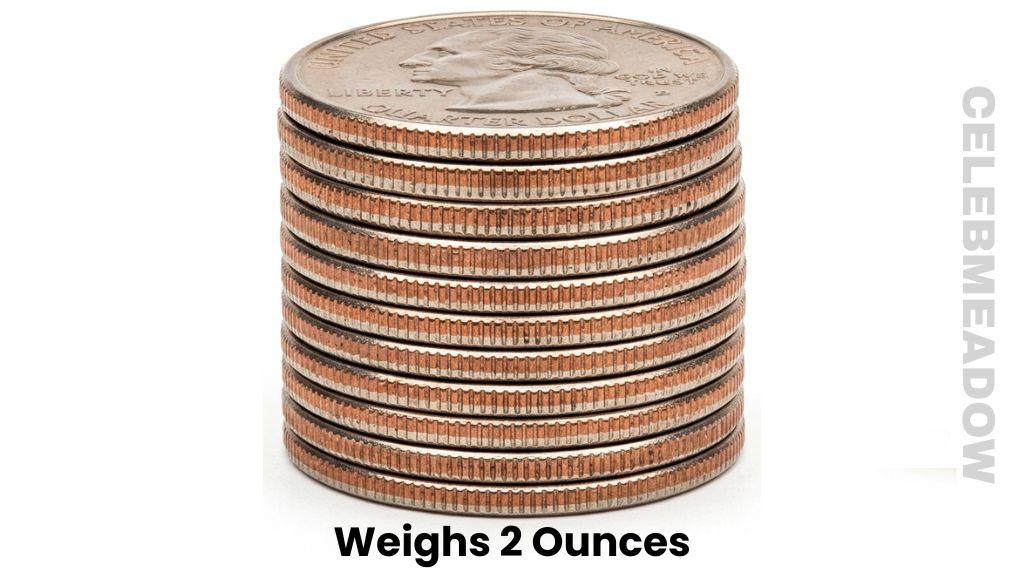
Ten quarters together weigh exactly 2.0 ounces — no rounding needed.
Each quarter is mandated by the U.S. Mint at precisely 5.670 grams per coin. That’s not a coincidence or an approximation — it’s written into coinage law so that currency can be verified by weight, not just sight.
Stack ten in your palm right now. That compact, cool, metallic pressure is exactly what 2 ounces feels like against skin. This is one of the most useful calibration tricks people don’t know. If you own a digital pocket scale and you’ve lost your calibration weights, ten quarters will check it precisely.
- Key measurement: 2.0 oz / 56.70 g
2. A Large Chicken Egg
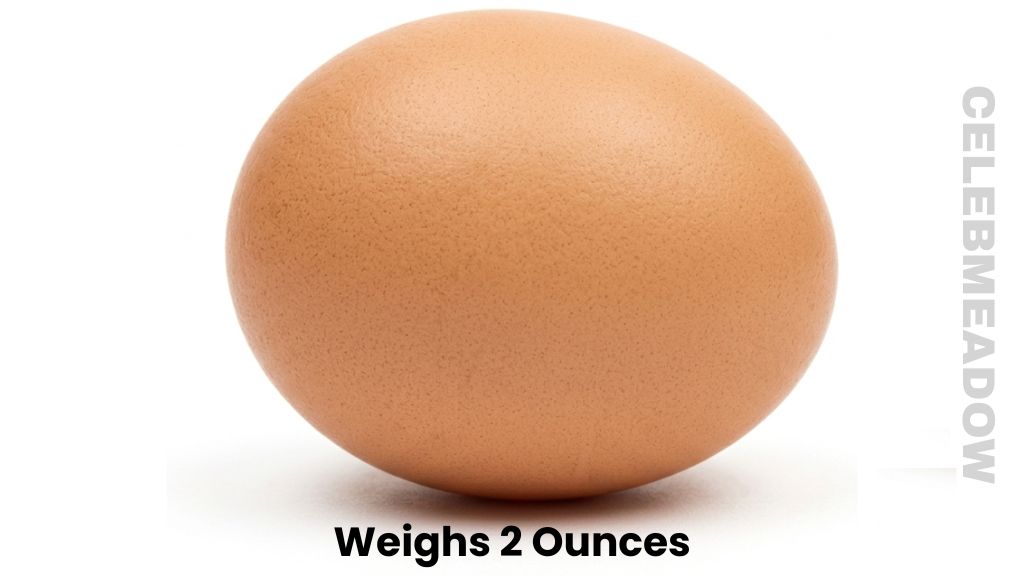
A single large-grade chicken egg commonly sits right around 2 ounces in its shell.
The “Large” label on your egg carton isn’t a vague size — it’s a strict agricultural classification. Food industry standards require a large egg to fall within a tight weight band, which lands it near 56.7 grams. That smooth, fragile oval weight sitting between your fingers? That’s 2 ounces, perfectly natural.
Bakers use this all the time when scaling recipes by feel. If a recipe calls for 2 ounces of a wet ingredient and you’re without a scale, the egg in your hand is your benchmark.
- Key measurement: ~2.0 oz / ~56.7 g
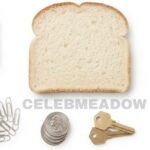
3. Two Slices of Sandwich Bread
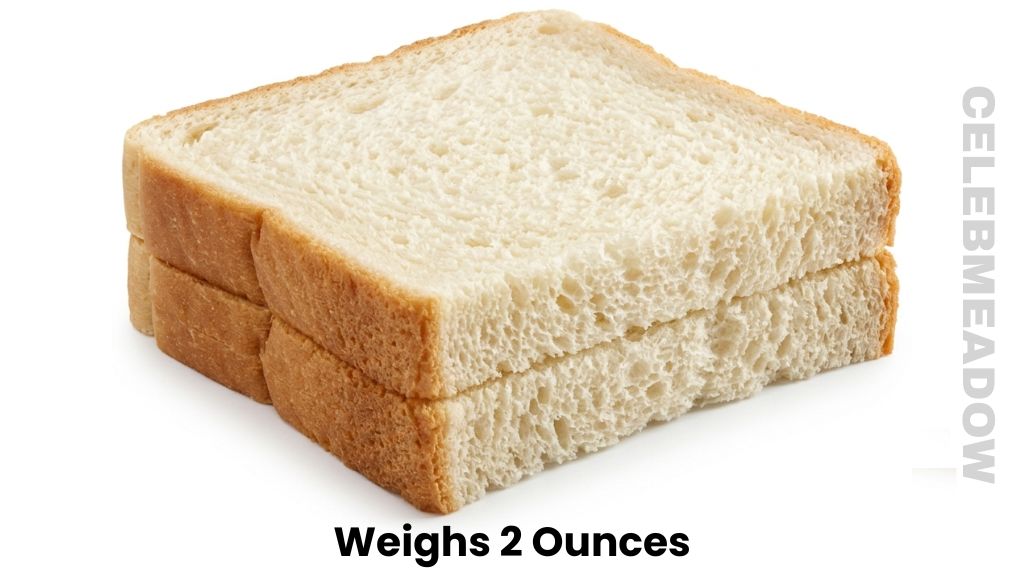
Two standard slices of pre-sliced sandwich bread together weigh commonly around 2 ounces total.
Commercial bakeries use precision slicer settings that produce slices near 1 oz each — this isn’t accidental. It’s how they deliver predictable nutrition labels and consistent portion sizing at scale. Pick up two slices right now. That barely-there, pillowy, almost-nothing weight is real. It feels like holding air, yet it registers as a full 2 ounces on a scale.
For anyone tracking macros or counting carbohydrates, this is the reference to lock in. You don’t need a food scale every morning — you already know what two slices feel like.
- Key measurement: ~2.0 oz / ~56.7 g
4. Two Slices of American Cheese
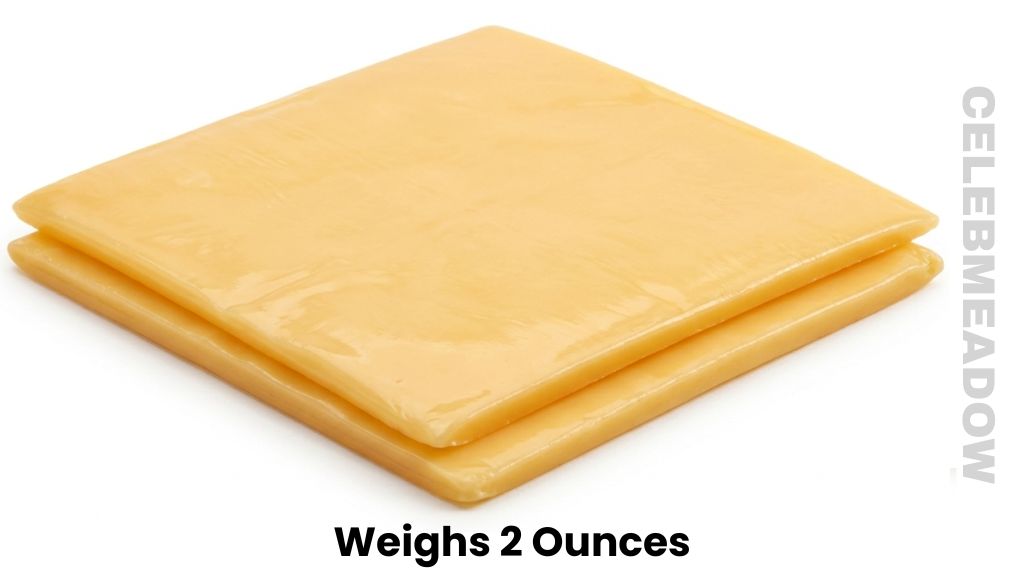
Two standard American cheese slices together typically weigh around 2 ounces combined.
Those individually wrapped squares are manufactured to a uniform 1-oz portion each — built for calorie labeling accuracy and consistent melt behavior in fast food production. Peel two apart and hold them flat in your palm. They feel almost weightless, but the stack is measurably there.
If you’re monitoring sodium or fat intake per meal, knowing this weight by touch means you don’t need to reach for a scale every time you build a sandwich.
- Key measurement: ~2.0 oz / ~56.7 g
5. A Full-Sized Snickers Bar
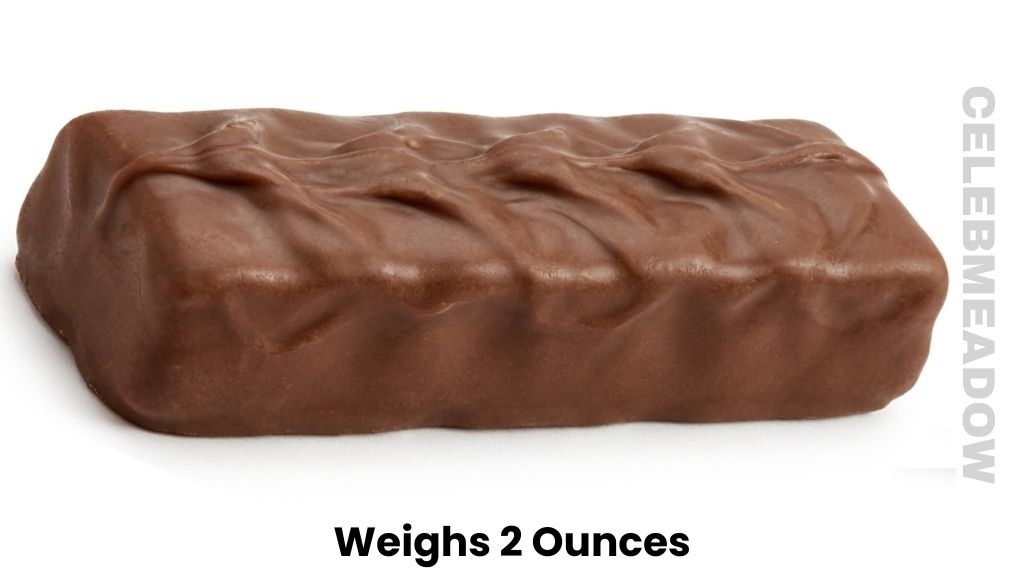
A single retail-sized Snickers bar typically falls right at or just under 2 ounces.
The weight lands near 1.86 to 2.0 oz depending on minor manufacturing variance — but it holds close enough to serve as a reliable mental anchor. That dense, brick-like feel when you squeeze a candy bar through its wrapper? The nougat, caramel, and chocolate compress into a surprisingly solid little package for its size.
Hikers use candy bars to estimate quick-energy pack weight. A few Snickers in a trail bag and you’re already past the 6-ounce mark — useful when every gram matters on a long climb.
- Key measurement: ~1.86–2.0 oz / ~52–56.7 g
6. A Small-to-Medium Lime
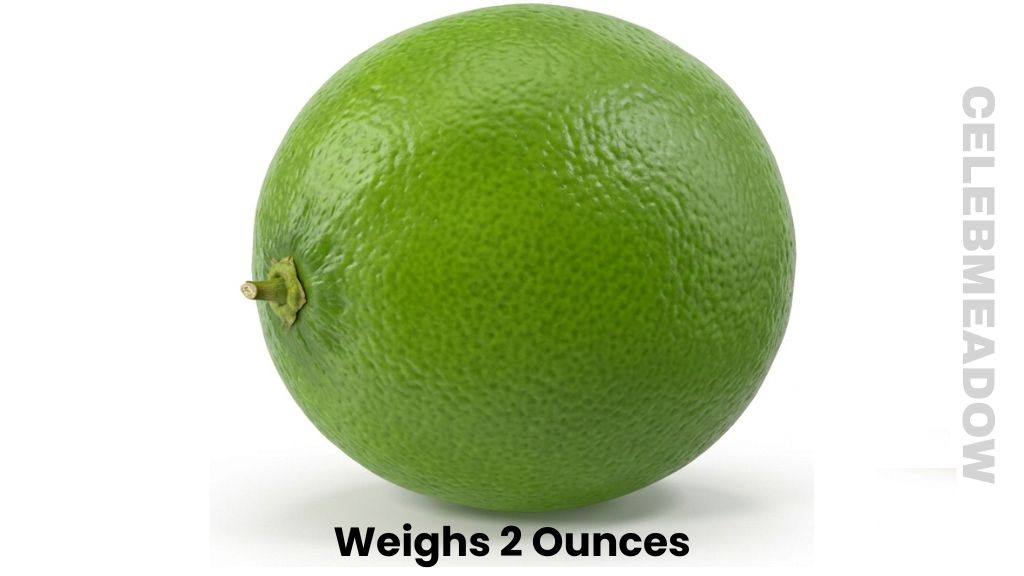
A standard small-to-medium market lime commonly weighs around 2 ounces whole.
Limes grow to commercial sort sizes that average near 56.7 grams after natural agricultural selection. The ones you grab at a grocery store produce bin — firm, bright green, slightly waxy — land right in this range. Roll one across your palm. That smooth, round, quietly solid weight is 2 ounces in its most natural form.
Bartenders reach for this reference constantly. When a recipe calls for 1 oz of fresh juice, knowing that one lime yields roughly half its total weight in juice gives you a fast, no-measure pour.
- Key measurement: ~2.0 oz / ~56.7 g
7. A Quarter Cup of Granulated Sugar
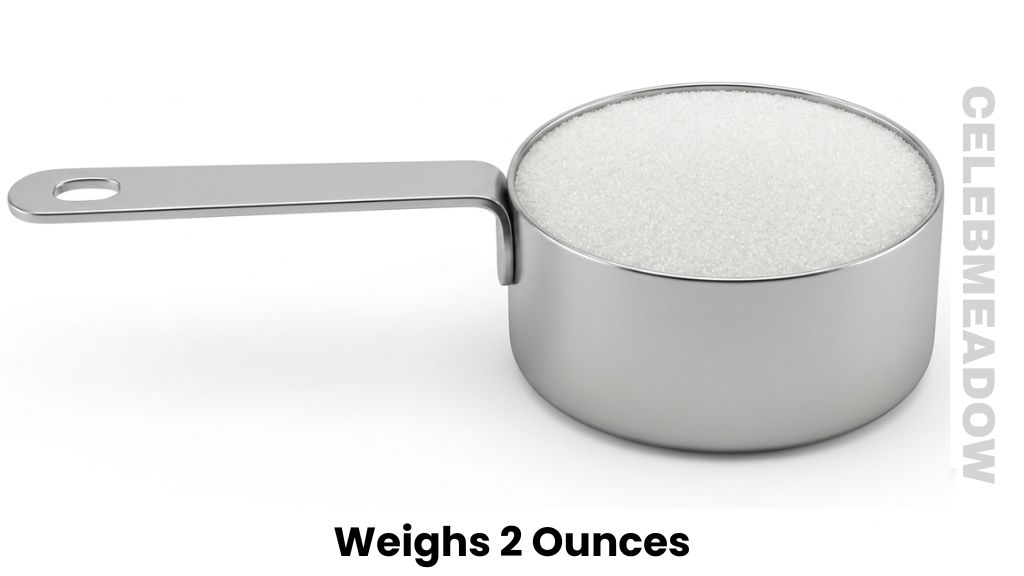
A level ¼ cup of granulated white sugar typically weighs between 1.76 and 2.0 ounces.
Dry sugar has a known density that converts volume to mass in a predictable way — which is exactly why baking recipes can say “¼ cup” and get consistent results across kitchens. Scoop one and feel how it shifts. The grains slide and settle, but the scoop feels noticeably heavier than you’d expect for something that small.
This is the gap between good baking and precise baking. When you don’t have a scale and your recipe says “2 oz sugar,” reaching for that ¼ cup measure gets you close enough for most home recipes.
- Key measurement: ~1.76–2.0 oz / ~50–56.7 g
8. A Full Container of Dental Floss
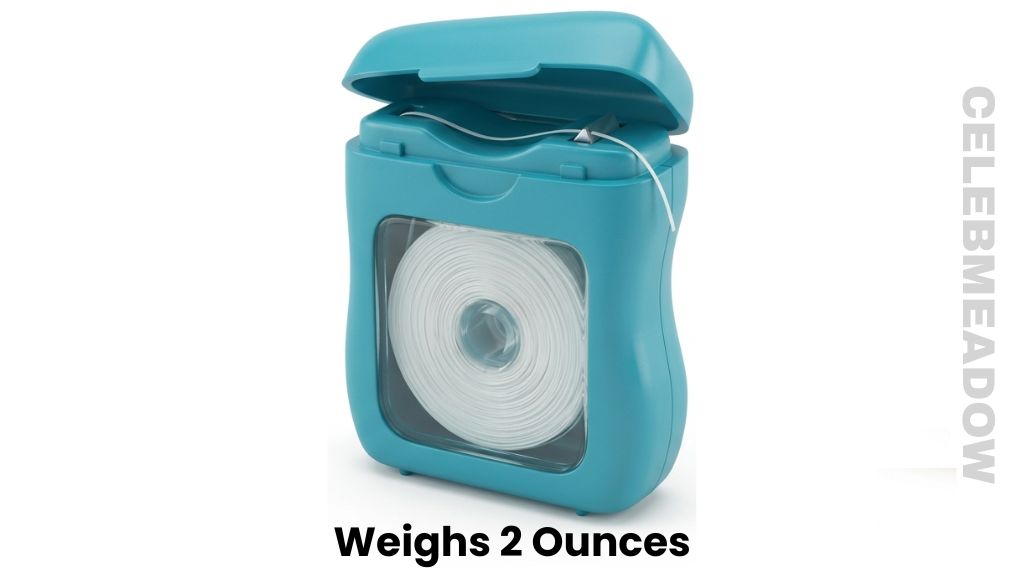
A brand-new, full retail dental floss container commonly weighs around 2 ounces.
The plastic housing is sized specifically to hold a 50-meter spool while still fitting between two fingers for daily use. Everything about the casing — wall thickness, spool tension, lid mechanism — is built around that ergonomic constraint. Pick yours up off the bathroom counter. That small, slightly dense plastic feel? That’s your 2-ounce reference hiding in plain sight.
Frequent travelers who build lightweight toiletry kits use the floss container as a weight-check habit: if everything in the bag is around this weight, you’re packing smart.
- Key measurement: ~2.0 oz / ~56.7 g
9. Two Full BIC Disposable Lighters
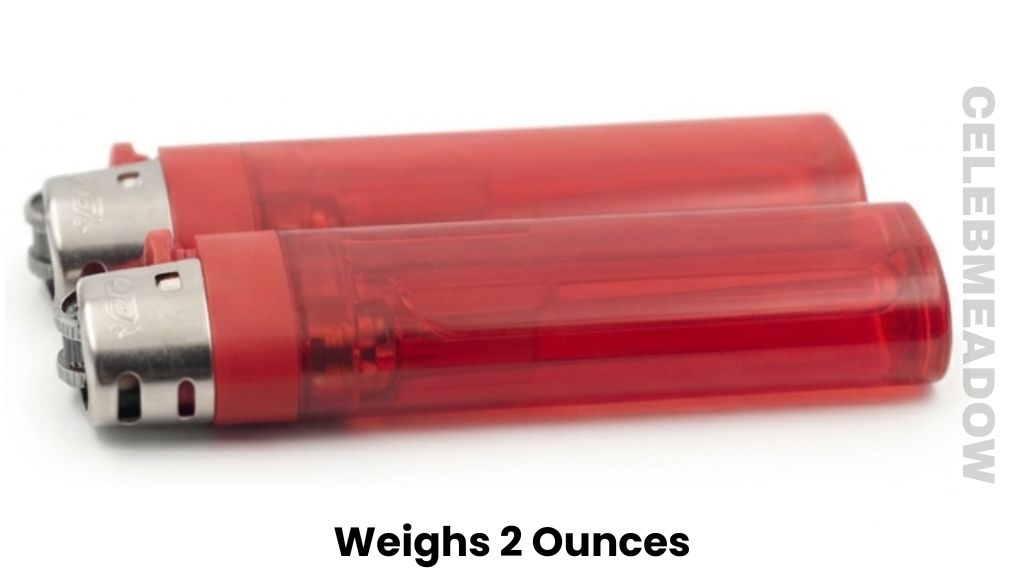
Two full standard BIC disposable lighters together commonly reach around 2 ounces total.
Each lighter is engineered near 1.0 oz when full — the plastic wall thickness is calculated around the minimum needed to safely contain pressurized butane. Two together feel familiar: that smooth plastic-and-metal combo you’ve clicked in a pocket a thousand times. Hold both in one hand and feel the paired weight settle.
For camping or emergency kit planning, knowing two lighters equal 2 ounces helps you calculate total pack weight without pulling out a postal scale.
- Key measurement: ~1.0 oz each / ~2.0 oz for two / ~28.3 g each
10. A Pair of Ankle Socks
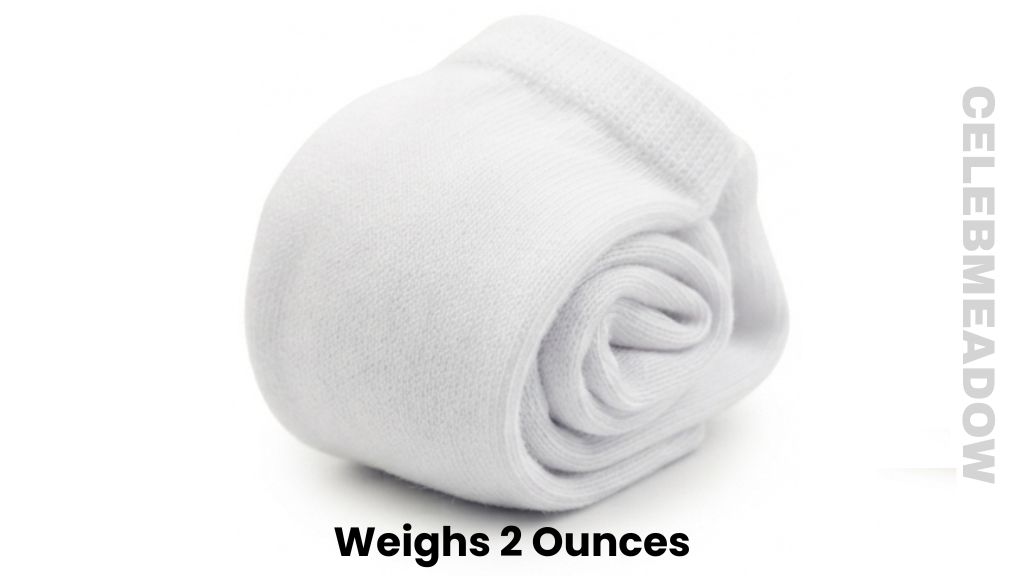
A matching pair of lightweight cotton ankle socks rolled together typically weighs around 2 ounces.
The material blend — usually cotton, nylon, and elastic — is engineered to protect the foot without adding bulk to a shoe. That keeps each pair hovering near 56.7 grams. Ball up a pair right out of your drawer. The soft, compact fabric roll has almost no weight presence in your fingers — yet it registers clearly on a scale.
Travelers counting luggage ounces use this as a packing benchmark. Eight pairs of socks takes up barely a pound of your weight allowance, which changes how you think about packing light.
- Key measurement: ~2.0 oz / ~56.7 g
11. A Men’s Silk Necktie
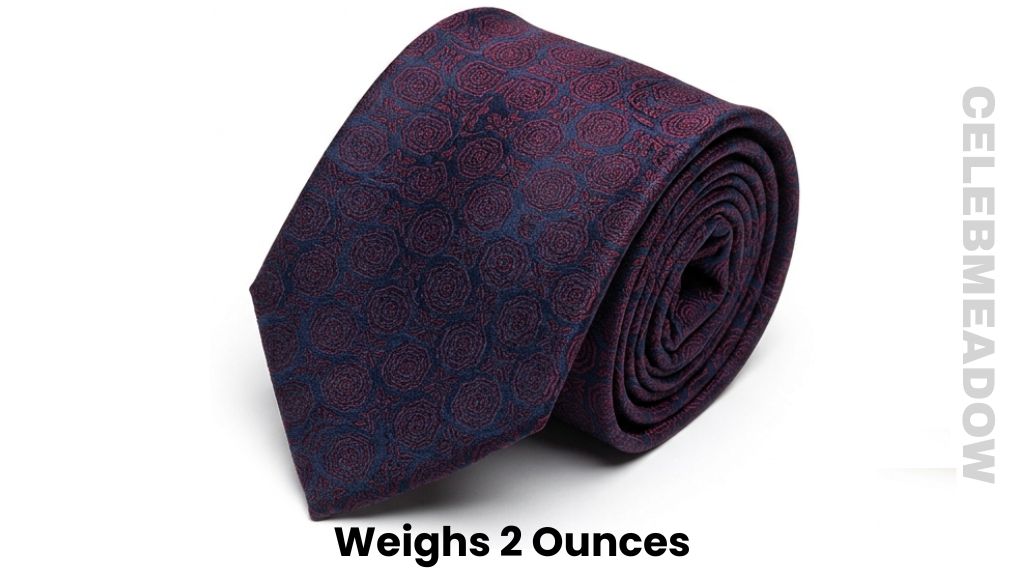
A standard 58-inch woven silk tie commonly weighs around 2 ounces when held bare.
The length-to-weight ratio here is striking. You’re holding nearly five feet of fabric, and it barely registers. Silk’s density is low enough that the tie hangs flat against the torso without the fabric billowing or pulling — that’s the engineering reason tailors settled on this weight range centuries ago.
Drape one across both hands and let it fall. The cool, flowing slide of that much fabric at almost no weight is a completely unique sensation. It’s also a packing trick: silk ties add almost nothing to a garment bag weight, which is why experienced travelers bring two or three without a second thought.
- Key measurement: ~2.0 oz / ~56 g
12. Two AA Alkaline Batteries
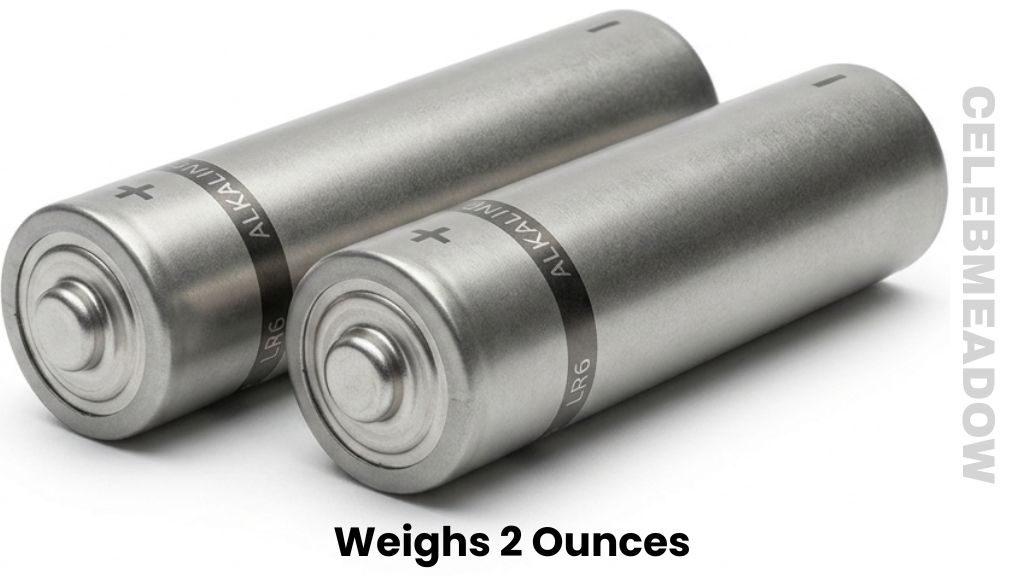
Two standard AA alkaline batteries together typically weigh between 1.7 and 1.9 ounces combined.
The IEC (International Electrotechnical Commission) governs the housing dimensions and internal chemical composition of AA cells, which sets their mass within a tight range. Place two batteries side by side in your palm — cold, cylindrical, and dense. That compact metallic weight is completely different from the sock or bread examples.
It’s the same 2-ounce range but with a concentrated, solid quality. This is useful when estimating device weight before loading batteries into a remote, flashlight, or toy. A device that takes four AAs is carrying almost 4 ounces in batteries alone before you count the casing.
- Key measurement: ~1.7–1.9 oz / ~48–54 g for the pair
More Post: 1 cm: 10 Common Objects That Show It Clearly
13. An iPhone USB-C Wall Charger Block
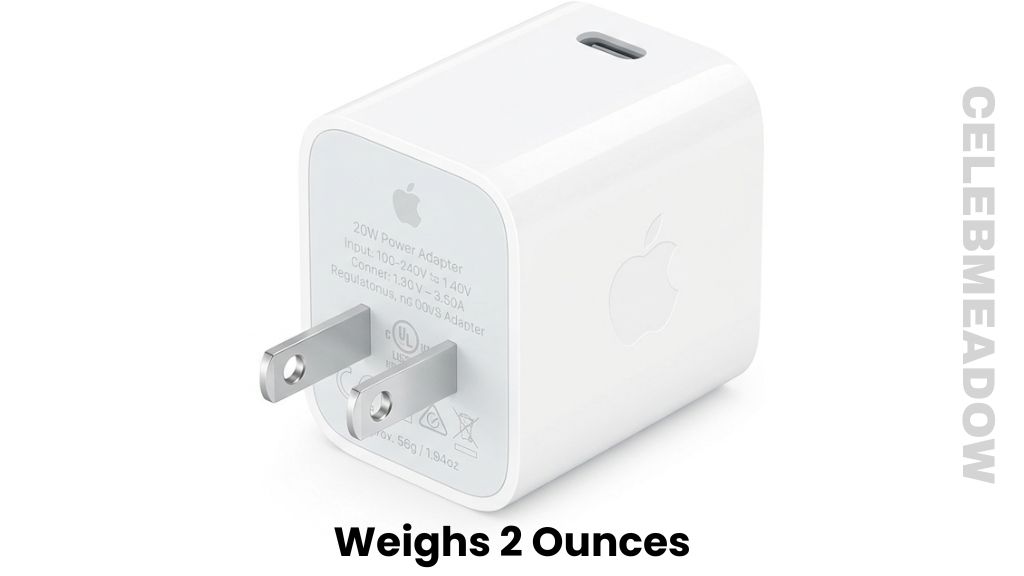
A standard Apple USB-C wall charger block alone commonly weighs around 1.94 ounces — cable not included.
Packing that much electrical shielding and transformer capacity into a cube that small requires precise weight management. The prongs, internal converter, and safety layers all contribute to a dense little block that always surprises people when they pick it up expecting something lighter. Press it in your palm — the weight sits low and solid, nothing like the plastic exterior suggests.
It’s also a useful airport bag check: if a charger feels unusually light for its size, that can indicate cheap internal construction with minimal shielding. Weight is a quality signal here.
- Key measurement: ~1.94 oz / ~55 g
14. Half a Deck of Playing Cards
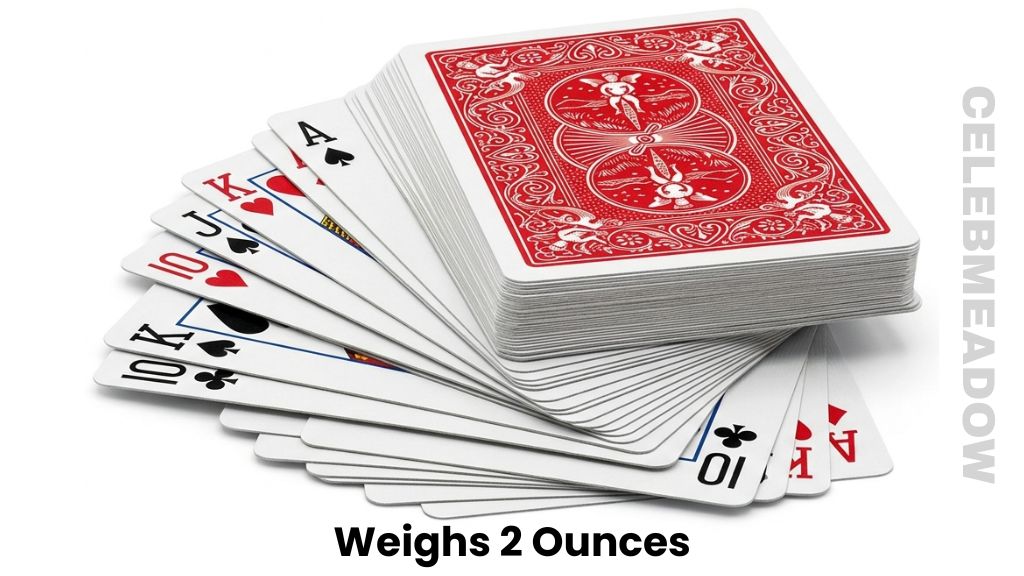
About half of a standard 52-card deck held in one hand commonly sits near 1.75 to 2 ounces.
A full deck weighs around 3.5 oz, which means splitting it roughly in half brings you right to the 2-ounce zone. The paper stock used in quality playing cards is calibrated for crisp shuffling — stiff enough to riffle cleanly, light enough not to fatigue the hand. Hold about 25 cards loosely. The slight, fanned resistance of paper is a very distinct texture at this weight.
Card players actually develop a feel for “a full deck” weight without thinking about it — which is exactly the kind of unconscious weight memory that makes references like this useful.
- Key measurement: ~1.75–2.0 oz for half-deck / ~50–56 g
15. A Small Padlock
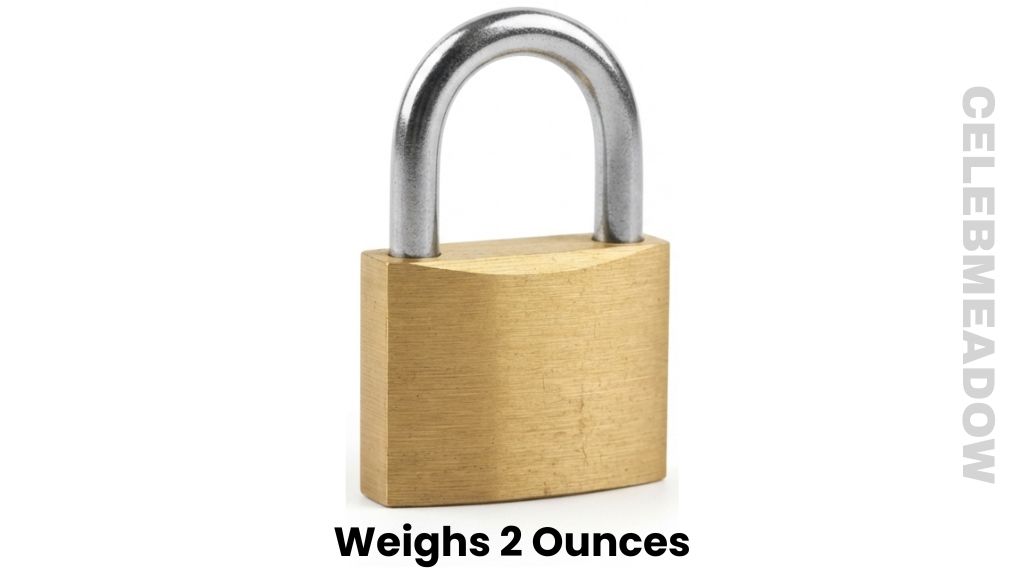
A small brass or steel padlock typically weighs somewhere between 2 and 3 ounces.
The minimum metal thickness required to resist basic tampering sets the lower weight boundary here. Below a certain mass, the shackle and body simply can’t resist bolt cutters or brute force — so physical weight is a security feature, not a side effect. Squeeze a small padlock in your fist. Compact, hard, and cold — it’s the densest 2-ounce object on this list.
When choosing a gym or luggage lock, heavier locks within this range usually signal thicker shackle steel and better resistance. Weight gives you a fast quality check before you ever read a spec sheet.
- Key measurement: ~2.0–3.0 oz / ~56–85 g
16. A Regulation Tennis Ball
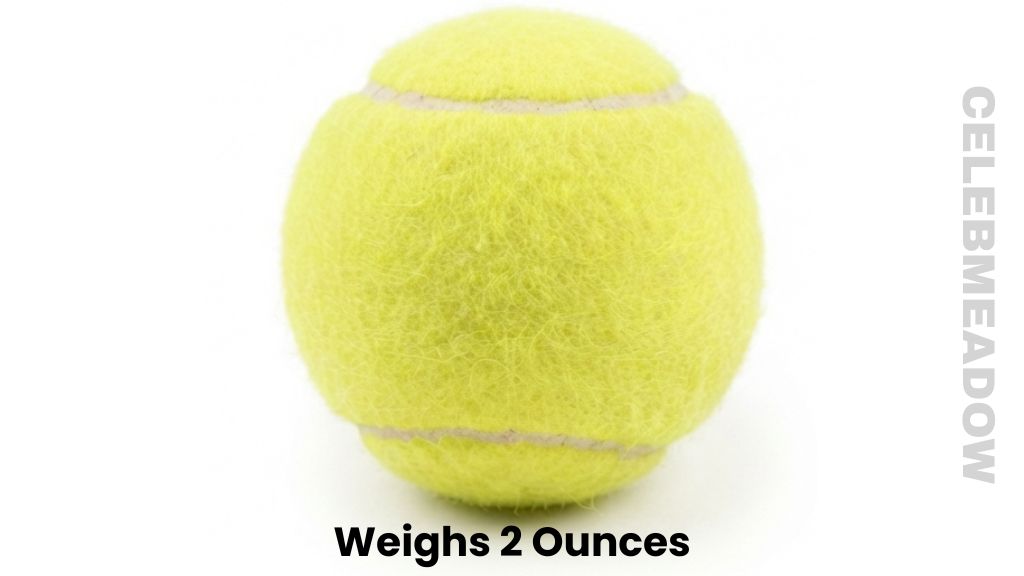
A single regulation tennis ball falls within an exact weight range of 1.98 to 2.10 ounces — strictly governed by the ITF.
This is one of the most tightly regulated weights in everyday sports. The International Tennis Federation sets this range to control bounce height, air resistance, and court speed simultaneously. A ball even slightly outside this band would produce measurably different play. Squeeze one in your hand — that pressurized, springy resistance with the fuzzy exterior is a feeling most people have had since childhood gym class.
If a tennis ball feels noticeably lighter or doesn’t push back when squeezed, it’s likely depressurized and outside spec — your hand is already calibrated to notice the difference.
- Key measurement: 1.98–2.10 oz / 56.0–59.4 g
17. One Golf Ball
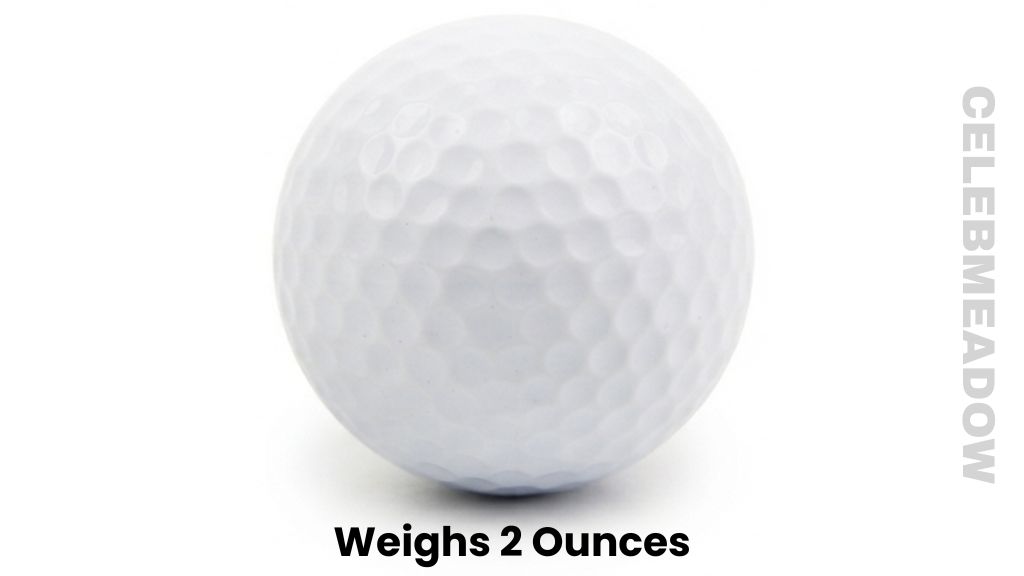
A regulation golf ball has a maximum weight of 1.62 ounces — technically under 2 oz, but it’s the most deceptively solid object near this weight.
The USGA and R&A cap the golf ball’s mass at 45.93 grams to control aerodynamic distance in competitive play. What makes it remarkable as a reference is how it breaks your expectations. It’s smaller than a lime, lighter than a tennis ball — yet it feels like a compressed stone in the hand. That gap between visual size and actual density is the most memorable weight lesson here.
Picking up a golf ball and comparing it to a tennis ball side-by-side is the fastest way to understand how volume and density work independently of weight.
- Key measurement: max 1.62 oz / 45.93 g
How to Picture 2 Ounces Without a Scale
The best mental shortcut starts in your pocket. Most people carry a phone, some change, and maybe a card. Two ounces sits lighter than your smartphone by a wide margin — the average phone runs 6 to 7 ounces. So 2 ounces is roughly what your phone would feel like if you somehow removed two-thirds of its weight. If you have a few quarters in your pocket right now, pull out ten. That’s your number, right in your hand.
The Pocket Check: Ten quarters, two BIC lighters, or a small padlock sitting loose in your palm — all land at or near 2 ounces. The metallic, compact pressure is distinctive. Once you’ve felt it deliberately, you’ll recognize it again without thinking.
The Kitchen Check: A single large egg or a ¼ cup of granulated sugar gets you there from a pantry angle. The egg gives you an organic, smooth reference. The sugar gives you a granular, shifting one. Both weigh the same — but they feel completely different, which is part of what makes 2 ounces useful to know across different contexts.
2 Oz Big Compared to Nearby Weights
| Weight | In Grams | Compared to 2 oz |
| 0.5 oz | 14.2 g | One quarter coin |
| 1 oz | 28.3 g | One full BIC lighter |
| 2 oz | 56.7 g | One large egg / Ten quarters |
| 4 oz | 113.4 g | One full stick of butter |
| 6 oz | 170.1 g | A standard deck of cards + a lighter |
| 8 oz | 226.8 g | Half a pound / A standard cup of water |
Common Questions About How Big is 2 Ounces
How many grams is 2 ounces?
2 ounces equals 56.7 grams. One ounce is 28.349 grams, so you just double it.
How much is 2 ounces in cups?
2 fluid ounces equals ¼ cup, or 4 tablespoons. That’s the ¼ line on any standard measuring cup.
What is 2 ounces in ml?
2 fluid ounces equals about 59 ml — close to the size of a standard travel toiletry bottle.
How can I measure 2 ounces without a scale?
Stack ten U.S. quarters for weight, or fill a ¼ cup measure with water for liquid. Both give you 2 ounces without any equipment.
Is 2 ounces the same as 2 fluid ounces?
No. Ounces measure weight. Fluid ounces measure volume. They match only for water — for everything else, the numbers differ.
What does 2 oz of liquid look like in a cup?
It fills a measuring cup to the ¼ cup line — about a finger and a half of liquid in a short glass.
How big is a 2 oz bottle?
Think of a TSA travel-size bottle — small enough to fit in your palm, holding about 59 ml. Roughly the size of a lipstick tube but slightly wider.
The next time someone says “2 ounces,” you’ve got real anchors to reach for: the cool weight of ten quarters in your palm, the smooth oval pressure of a large egg between your fingers, or the dense surprise of a golf ball for its size. Weight stops being abstract the moment you’ve held something that matches it. That’s the only unit converter that actually sticks.
Related More Measurements Guides:

I’m Cherry Sin, and I write clear, practical guides that help people understand everyday measurements and sizes. I focus on turning numbers into easy mental pictures using familiar objects and real-life situations. At Celebmeadow, I write guides that explain measurements in a simple, visual way.