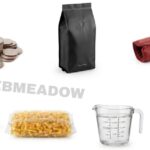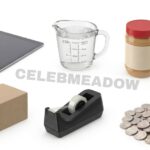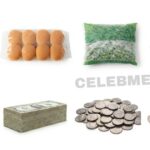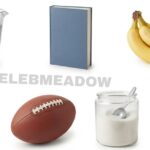
Sixteen ounces is one of those measurements that sounds simple but feels strangely hard to picture until something puts it in your hand. The short answer: 16 oz equals exactly 1 pound, which is 453.6 grams or roughly 0.45 kilograms. In liquid form, 16 oz is 2 cups, about 473 ml, or nearly half a liter. Once you connect that number to something you already hold every week, it stops being abstract.
How Much is 16 oz? Quick Conversions Chart
| Unit | Value |
| Ounces | 16 oz |
| Pounds | 1 lb |
| Grams | 453.6 g |
| Kilograms | 0.45 kg |
| Milliliters (water) | 473 ml |
| Liters (water) | 0.47 L |
| Cups (liquid) | 2 cups |
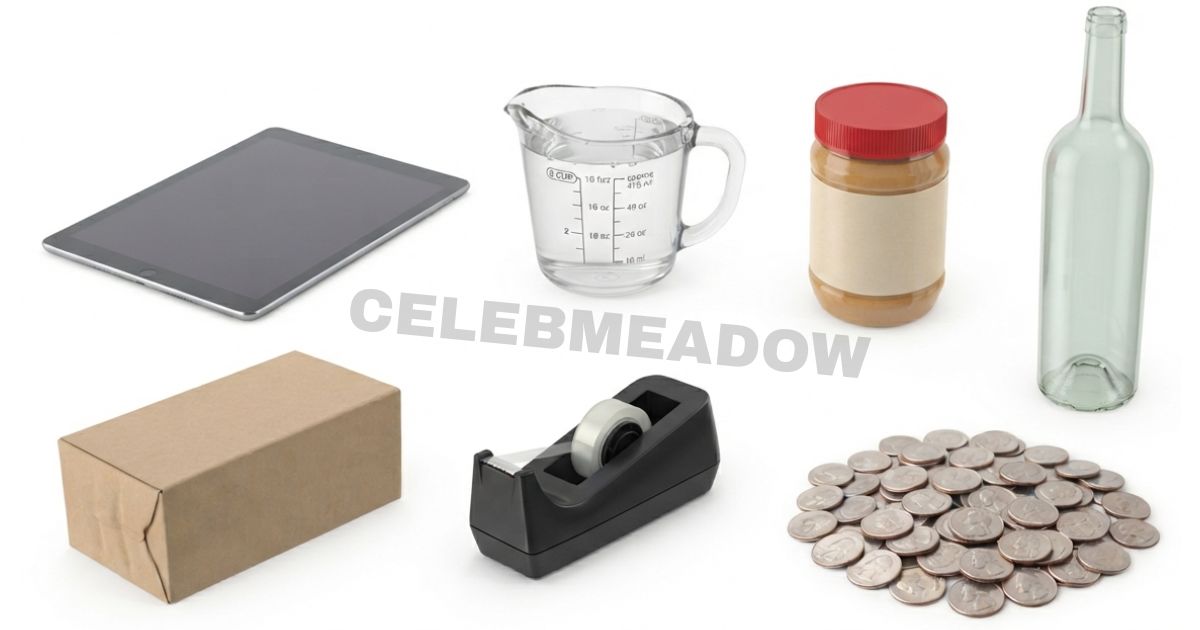
11 Everyday Things That Weigh 16 Ounces
| Object | Category | Weight | Exact or Approximate |
| Standard Loaf of Sandwich Bread | Food / Grocery | 16 oz | Exact |
| Apple iPad (Standard/Air) | Technology | ~16 oz | Approximate |
| 2 Cups of Water | Liquid / Kitchen | 16 oz | Exact |
| 16-oz Claw Hammer Head | Hand Tools | 16 oz | Exact |
| Standard Jar of Peanut Butter | Food / Grocery | ~16 oz | Approximate |
| Empty 750ml Wine Bottle | Glass / Recycling | ~16 oz | Approximate |
| One-Pound Box of Brown Sugar | Baking / Pantry | 16 oz | Exact |
| Desktop Tape Dispenser | Office Supplies | ~16 oz | Approximate |
| Loaf Cake / Pound Cake | Baking | 16 oz | Exact |
| One Box of Butter (4 sticks) | Baking / Dairy | 16 oz | Exact |
| 80 US Quarters | Currency / Coins | 16 oz | Exact |
1. A Standard Loaf of Sandwich Bread
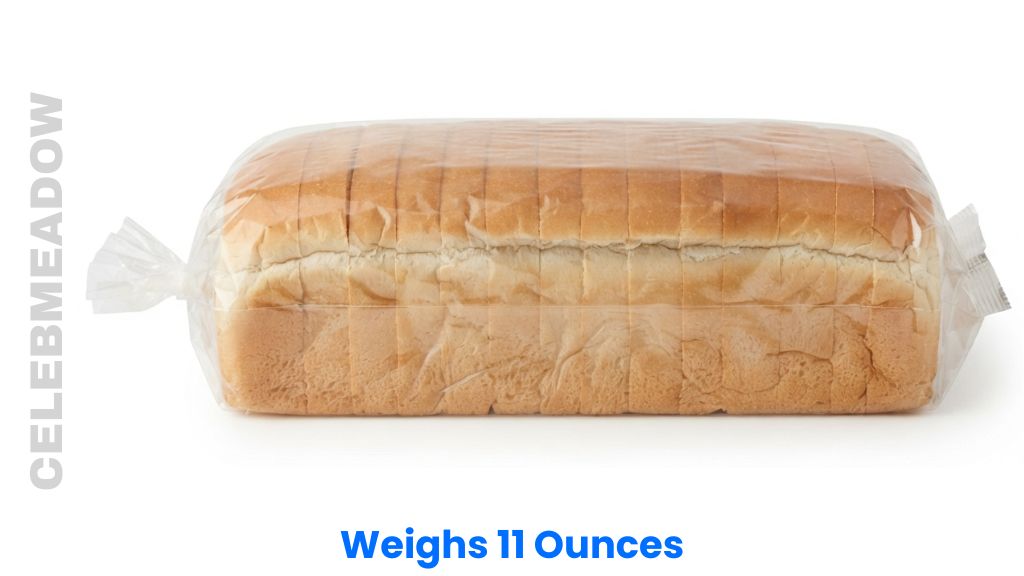
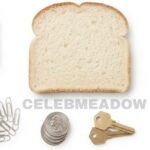
A full retail loaf of sandwich bread weighs exactly 16 ounces — the same weight as one pound.
That might surprise you. It’s one of the best examples of something that feels light and bulky at the same time. The bread itself is mostly air pockets trapped inside a gluten structure, which is why a full loaf can fill an entire grocery bag slot while barely pressing on your palm.
Pick up a fresh loaf from your kitchen right now and hold it flat across both hands. That even, feather-like spread across your palms — where the weight barely registers — is exactly what 16 ounces feels like when it’s distributed across a large, low-density object. This is the opposite sensation of a hammer or a jar of peanut butter, even though all three hit the same number on a scale.
- Key measurement: 16 oz / 453.6 g
2. An Apple iPad (Standard or Air Model)
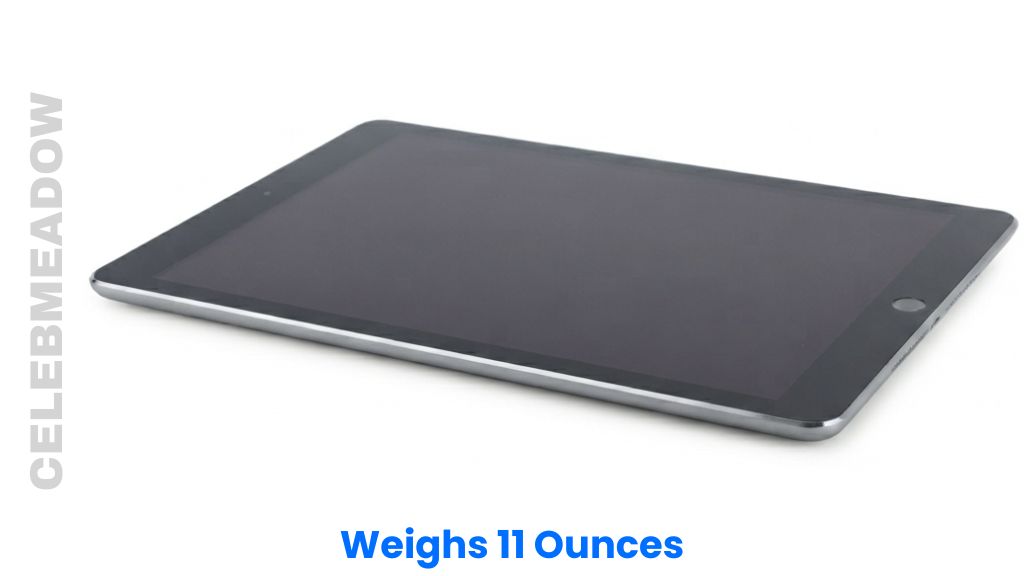
The bare Apple iPad sits commonly around 16 ounces — roughly 16.8 oz for the standard model and 16.32 oz for the Air.
Apple engineers spend years shaving grams off each generation of iPad, and they keep landing near this number for a reason. A lithium-ion battery of meaningful capacity, a rigid aluminum frame, and a glass display all have a floor weight beneath which structural integrity starts to fail. The result is a device that feels surprisingly solid the first time you pick it up without a case.
Hold your iPad flat in one hand while reading in bed. That slight, sustained pressure on your wrist after a few minutes? That’s 16 ounces doing its job. It’s a thin, wide, rigid interpretation of the weight — completely different from how a jar or a roll of coins feels at the same number.
- Key measurement: commonly around 16 oz / 453–476 g
3. Two Cups of Water
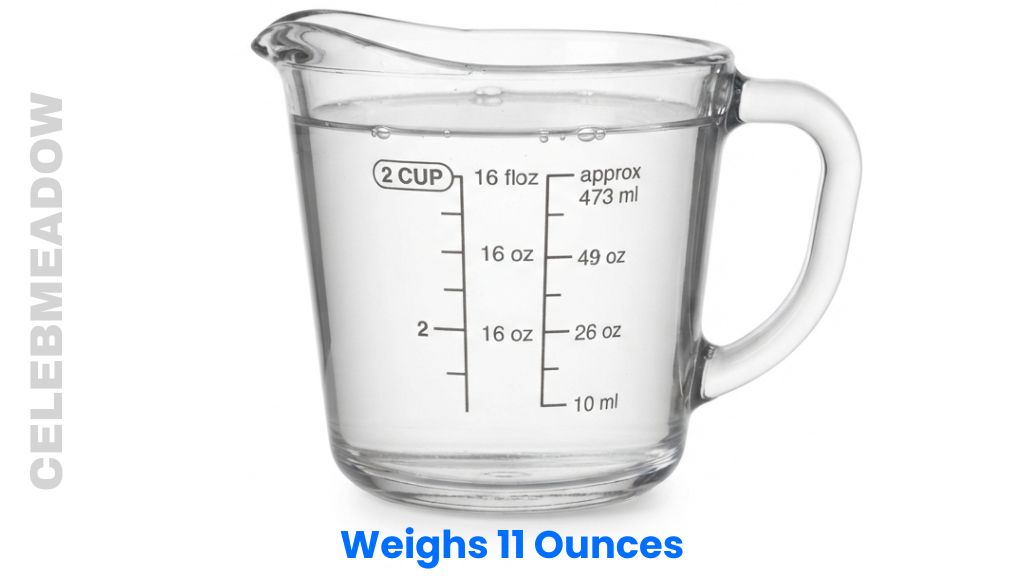
Two cups of liquid water weigh exactly 16 ounces — this is one of the cleanest conversions in cooking.
Water has a density of 1 gram per milliliter at room temperature, which makes the math almost perfect. One fluid ounce of water weighs almost exactly one ounce by mass. So 16 fl oz of water = 16 oz by weight. This is why cooks can swap between a measuring cup and a kitchen scale without losing precision when working with water or water-based liquids.
Fill a standard 2-cup glass measuring jug to the top line. That full, slightly sloshing container in your hand is exactly 16 ounces of liquid weight. If you’re asking how much is 16 oz in ml, that’s approximately 473 ml — just under half a liter, or about the volume of a standard drinking bottle.
- Key measurement: 16 fl oz = 16 oz weight = 473 ml = 2 cups
4. A Standard Claw Hammer (Head Only)
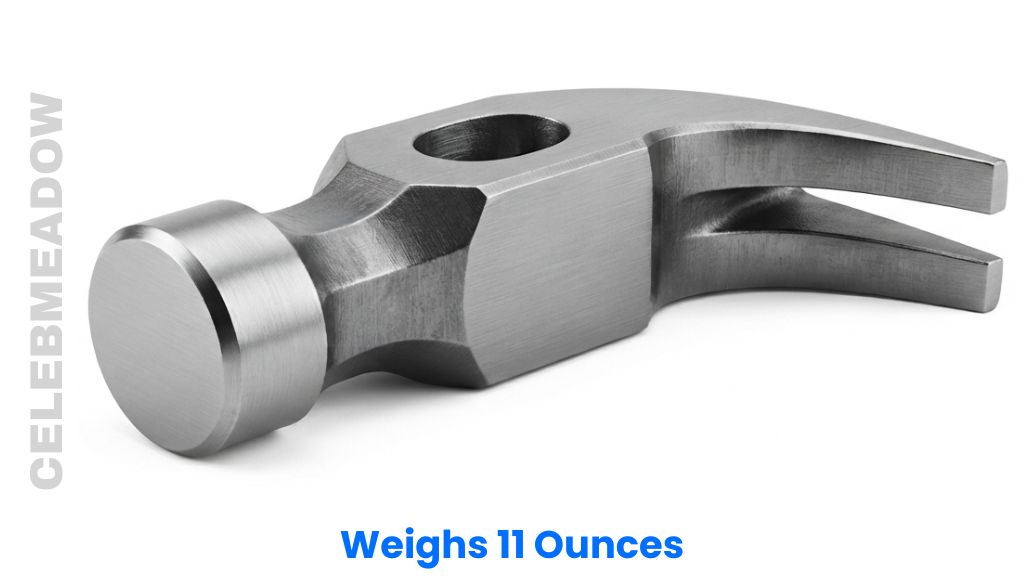
A hammer labeled “16-ounce” carries exactly 16 ounces of weight in the metal head alone — a standard that’s held for generations of hand tools.
This specific weight didn’t happen by accident. A 16-oz hammer head delivers enough force to drive a common nail in two or three swings without putting excessive strain on the wrist over a full workday. Go lighter and you’re swinging more. Go heavier and your forearm pays for it by noon. It’s a precision balance refined through actual use on job sites.
Grip a 16-oz hammer near the base of the handle and notice where all the weight sits — entirely at one end, concentrated into a dense metal block about the size of a fist. This is one of the most powerful ways to feel 16 ounces because it’s all pulled toward one point, rather than spread out.
- Key measurement: 16 oz / 453.6 g (head only)
5. A Standard Jar of Peanut Butter
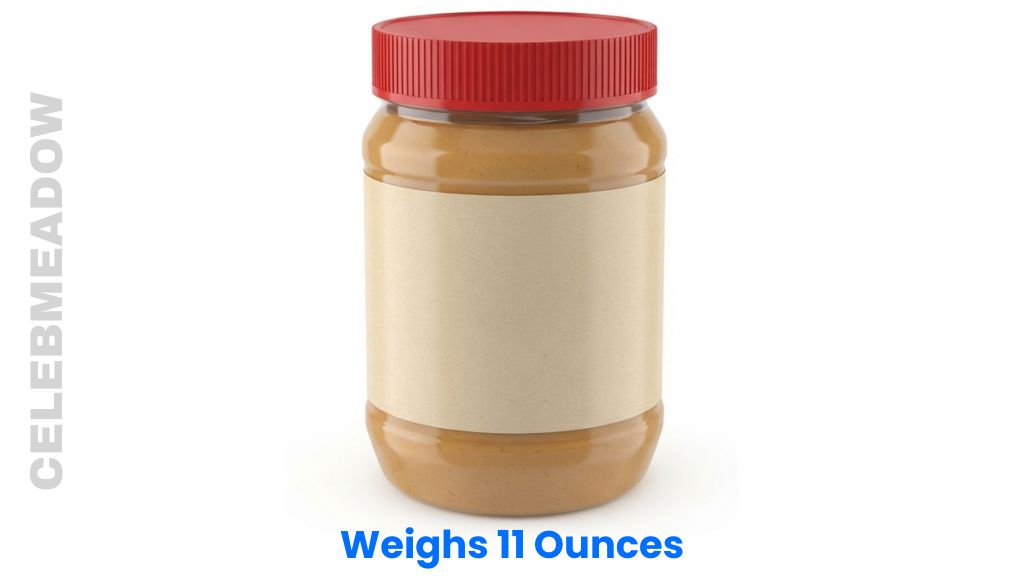
A standard jar of peanut butter typically weighs commonly around 16 ounces when you include the full retail package — jar, lid, and contents together.
The 16-oz jar became a household standard because it fits neatly into a week or two of average family use. It also sits well on a pantry shelf without tipping, and the squat, wide shape means it’s easy to scrape clean. Manufacturers landed on this size because it sells fast and reduces waste.
Pick it up by the lid and feel how solid and compact it is. The weight is dense and centered, sitting low in your grip. This is 16 ounces as a compact, palm-filling object — no shifting, no slosh, just dense pressure straight down.
- Key measurement: commonly around 16 oz / 453 g
6. An Empty 750ml Wine Bottle
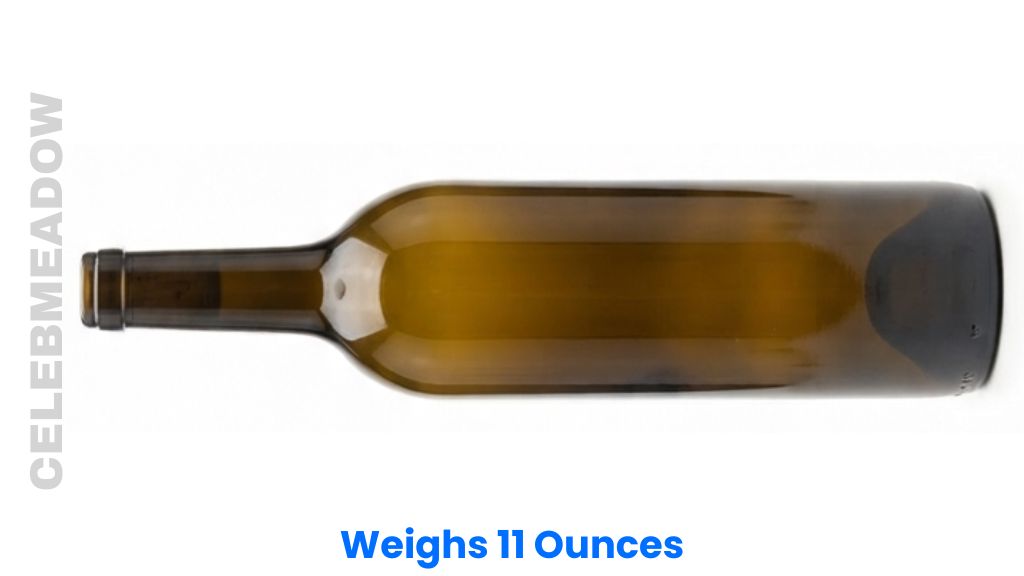
An empty 750ml wine bottle typically weighs commonly around 16 ounces — the glass alone, with no liquid, cork, or foil.
That might feel heavier than expected. The glass walls on a standard wine bottle are thick enough to survive internal pressure during fermentation and survive a tumble off a counter without shattering. Industrial glass manufacturing standards require that structural weight, which is why an empty bottle already feels substantial before a single drop goes in.
Pick up an empty wine bottle by the neck and hold it at your side. Notice how the weight pulls steadily downward from your fingers. That hanging, glass-cold sensation is 16 ounces in a long, hollow, cylindrical form — completely different from a flat iPad or a compact jar, but the same number on a scale.
- Key measurement: commonly around 16 oz / 453 g
7. A One-Pound Box of Brown Sugar
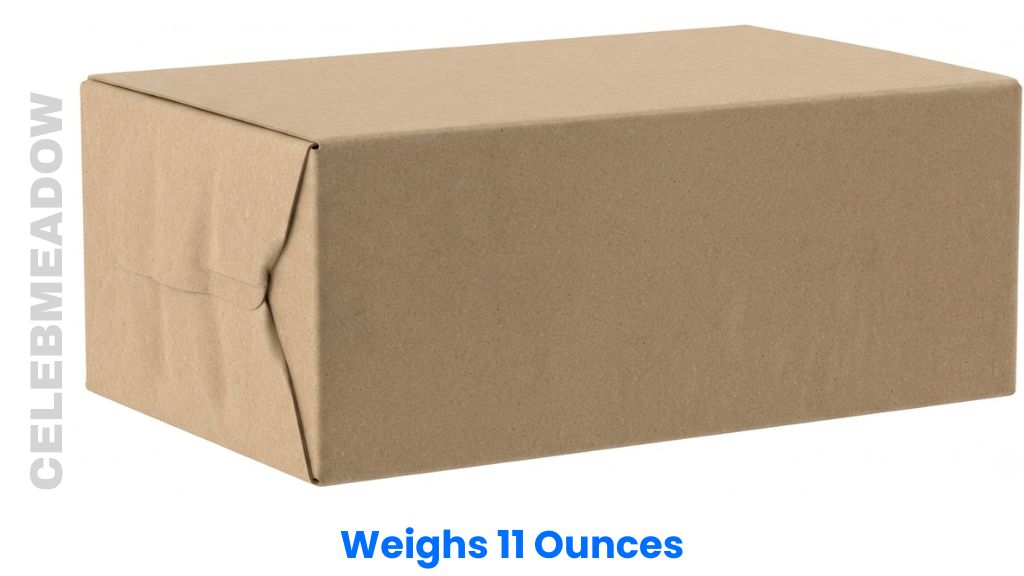
A standard one-pound box of brown sugar holds exactly 16 ounces of sugar inside — and it’s one of the most tactilely satisfying weight references in any kitchen.
Brown sugar is packed tightly to prevent clumping, which gives these small boxes a dense, brick-like quality. The cardboard box barely adds any weight, so what you feel in your hand is almost entirely the sugar itself. Bakers reach for this size constantly because it matches the quantities in most standard recipes without leftover waste.
Squeeze the sides of a full box gently. It resists. It doesn’t flex. That firm, compact, slightly moldable block pressing against your palm is what 16 ounces feels like in a small, rigid cube. It’s a very different experience from bread or water — same weight, completely different feedback.
- Key measurement: 16 oz / 453.6 g (net weight of sugar)
8. A Standard Desktop Tape Dispenser
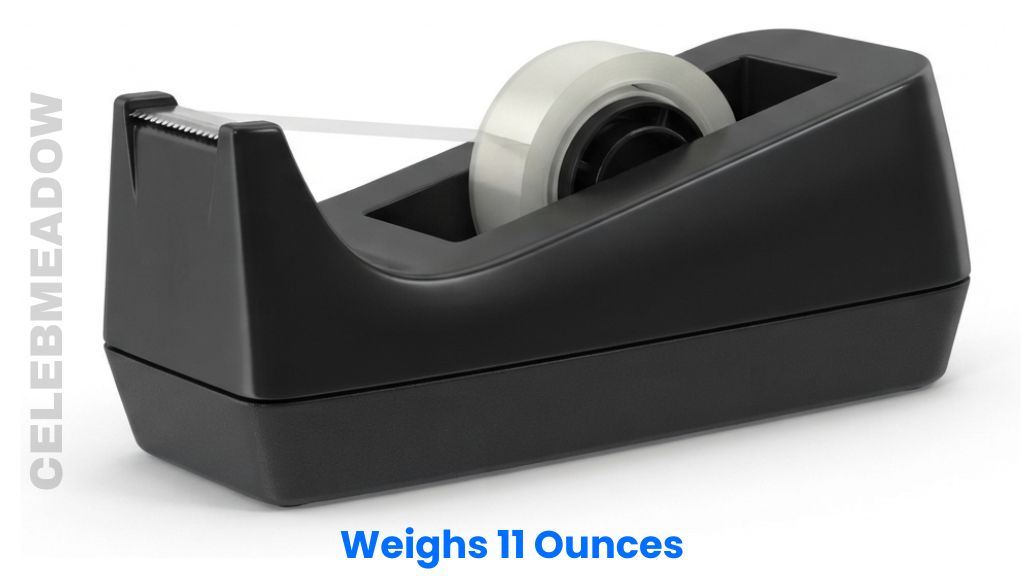
A standard weighted desktop tape dispenser sits commonly around 16 ounces — and that weight is entirely intentional.
Most people assume a tape dispenser is just plastic and tape. It’s not. The base contains a hidden iron or sand ballast built in during manufacturing. Without it, pulling tape with one hand would drag the dispenser across the desk every single time. The extra weight anchors it. You never notice it’s there — until you pick the dispenser up and wonder why it feels so unexpectedly heavy.
Lift your office tape dispenser off the desk and hold it flat in your palm. The weight sits low and wide, anchored in the base. That solid, heavy-bottomed sensation is 16 ounces doing a quiet job that most people never think about.
- Key measurement: commonly around 16 oz / 453 g
9. A Loaf Cake (Pound Cake)
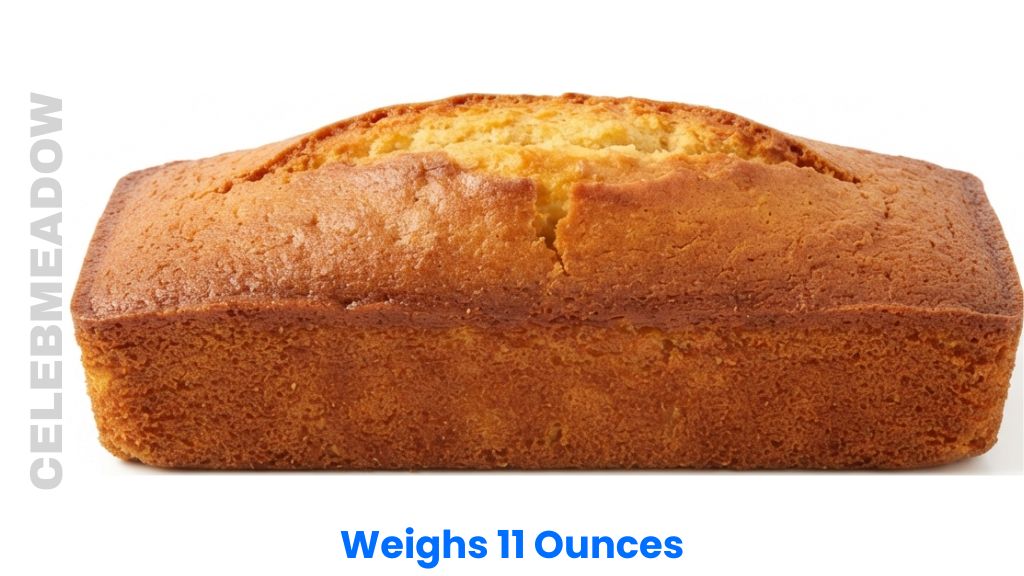
A freshly baked pound cake weighs exactly 16 ounces straight out of the pan — and the name itself is the clue.
The term “pound cake” comes from the original recipe structure: one pound of flour, one pound of butter, one pound of eggs, one pound of sugar. That 1:1:1:1 ratio goes back centuries. Modern recipes scale it down, but the baked loaf still comes out at roughly one pound of finished cake. It’s one of the few foods whose name literally tells you its weight.
Hold a cooled pound cake loaf with both hands underneath it. It feels denser than regular bread, warmer, and slightly springy. The weight is evenly spread across the whole loaf — a soft, warm version of what 16 ounces feels like in your hands.
- Key measurement: 16 oz / 453.6 g (baked weight)
10. One Box of Butter (Four Sticks)
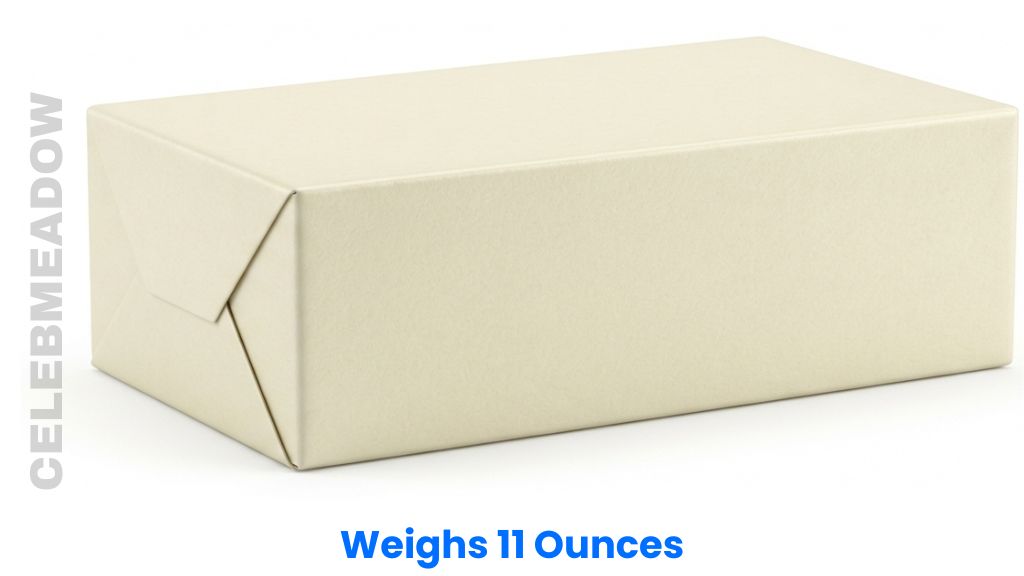
A standard retail box of butter — four sticks wrapped together — weighs exactly 16 ounces, or one pound.
Each stick is 4 ounces. Four sticks make 16. This packaging standard exists because most American baking recipes are built around quarter-pound units. A stick of butter is easy to measure, easy to cut, and easy to track. The full box is a clean, cold, rectangular block that fits snugly in the fridge door.
Pull a cold box of butter out of your refrigerator and hold it in one hand. It’s firm, compact, and heavier than it looks. That cold, dense rectangle pressing into your palm is exactly 16 ounces — one of the clearest, most consistent weight references in any household.
- Key measurement: 16 oz / 453.6 g
11. Eighty US Quarters
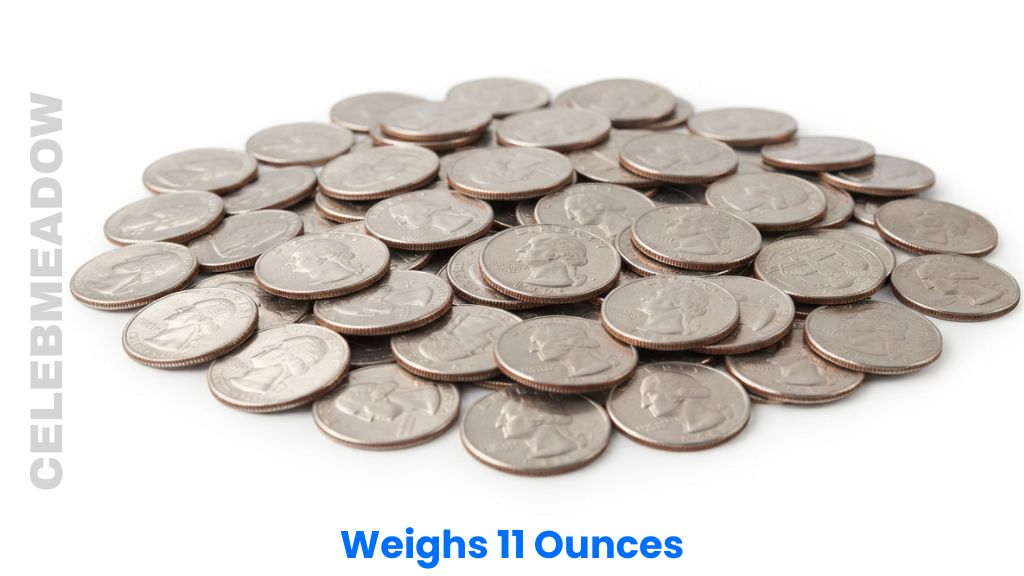
Eighty US quarters weigh exactly 16 ounces — because each quarter weighs exactly 5.67 grams, and 80 × 5.67 g = 453.6 g.
The US Mint controls the weight of every quarter to within fractions of a gram. That precision exists for vending machines, coin counters, and automated banking equipment — all of which rely on weight to sort and count currency. Two standard paper coin rolls hold 80 quarters between them, which means two rolls of quarters in your jacket pocket is carrying a full pound of metal.
Cup 80 loose quarters in both hands. The cold, dense, metallic pressure spreading across your palms is some of the strongest tactile feedback any 16-ounce reference can give. Coins don’t compress, shift, or flex. It’s pure, solid weight — and it makes an impression.
- Key measurement: 16 oz / 453.6 g (exact)
How to Picture 16 Ounces Without a Scale
The Pocket/Hand Check
Think about what’s in your pocket right now. A modern smartphone weighs somewhere between 6 and 7 ounces. To reach 16 ounces, you’d need to feel roughly two and a half phones stacked in your hand at once. If you’ve ever held a phone in each hand, you’re most of the way there. A slim wallet with several cards and some folded cash adds another ounce or so. The weight you’re looking for is a little heavier than that combined pocket load.
The Kitchen/Pantry Check
Open your fridge and grab the butter. That cold box with four sticks is sitting at exactly 16 ounces. No estimating, no calculating — it’s a clean, standardized weight that hasn’t changed in decades. If you don’t have butter, two full cups of water in any container gets you to exactly the same number. These two references alone can anchor 16 ounces in your memory faster than any formula.
16 Ounces Compared to Similar Weights
| Weight | In Grams | Compared to 1 lb (16 oz) |
| 8 oz | 226.8 g | Half the weight |
| 12 oz | 340.2 g | Three-quarters of the weight |
| 16 oz (1 lb) | 453.6 g | This is the target |
| 20 oz | 566.9 g | 25% heavier |
| 24 oz | 680.4 g | 50% heavier |
| 32 oz (2 lbs) | 907.2 g | Double the weight |
Common Questions About 16 Ounces
How many cups is 16 oz?
16 fluid ounces equals exactly 2 cups. This works cleanly for water and most thin liquids. For dry ingredients like flour or rice, the cup amount will differ because dry goods measure by volume, not weight.
How much is 16 oz in grams?
16 ounces equals 453.6 grams — the same as one pound. This number stays the same no matter what you’re weighing. It’s a fixed conversion.
How heavy is 16 oz in kg?
16 ounces is 0.45 kilograms. Just under half a kilo. A standard 500g bag of sugar is slightly heavier than 16 oz for a quick mental comparison.
How much is 16 oz in ml?
For water and most thin liquids, 16 oz equals approximately 473 ml. That’s just under a standard 500 ml water bottle — close, but not quite full.
Is 16 oz the same as 1 pound?
Yes, exactly. 16 ounces = 1 pound. No rounding, no approximation. It’s a direct, fixed conversion in the imperial system.
What is 16 oz in liters?
16 fluid ounces is approximately 0.47 liters. Just under half a liter. A standard 500 ml bottle holds a little more than 16 oz.
How do I measure 16 oz without a scale?
Fill any measuring cup to the 2-cup line — that’s exactly 16 fl oz of liquid. For weight, grab a box of butter or a one-pound bag of brown sugar from your pantry. Both are packaged at exactly 16 oz.
The next time a recipe calls for 16 ounces or a package says “1 lb,” you now have a shelf full of mental anchors to reach for. A cold box of butter and a fresh loaf of bread both get you there — one dense and compact, one wide and feather-light. Same number, completely different feel. That contrast is what makes 16 ounces so interesting to understand, and once you’ve held a few of these in your hands, the number stops being abstract for good.
Related More Measurements Guides:

I’m Cherry Sin, and I write clear, practical guides that help people understand everyday measurements and sizes. I focus on turning numbers into easy mental pictures using familiar objects and real-life situations. At Celebmeadow, I write guides that explain measurements in a simple, visual way.