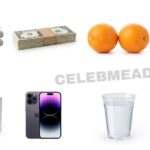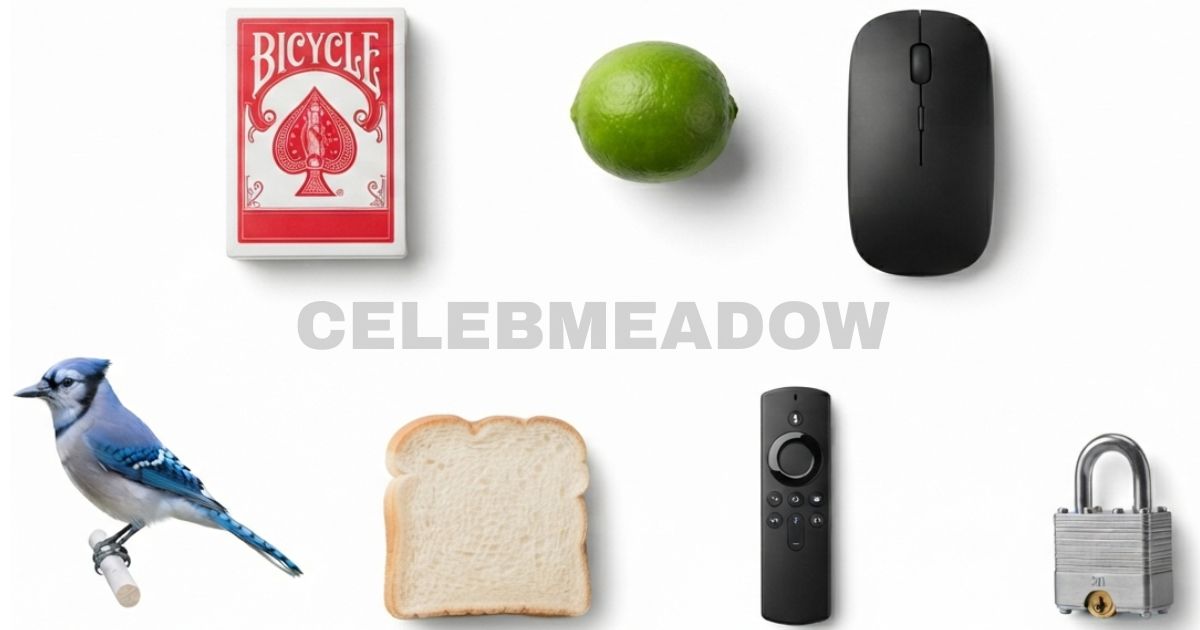
You’re at the grocery store, or maybe you’re meal prepping, and a recipe or nutrition label says “3 ounces.” No scale in sight. The number feels abstract — too small to picture, too specific to guess. Here’s the thing: 3 ounces is 85 grams, roughly 0.19 pounds, and it sits right in the palm of your hand. It’s the weight of a TV remote, a small apple, or a deck of cards. Once you connect it to something real, you’ll never feel confused by how much is 3 ounces again.
How Much is 3 Ounces? Quick Conversions Guide
| Unit | Value |
| Ounces | 3 oz |
| Grams | 85 g |
| Pounds | 0.19 lb |
| Kilograms | 0.085 kg |
| Tablespoons (water) | 6 tbsp |
| Cups (water) | 0.375 cups |
| Milliliters (water) | ~89 ml |
15 Familiar Things That Weigh 3 Ounces
| Object | Category | Weight |
| Standard Deck of Playing Cards | Household / Games | ~3.1 oz / 88g |
| A Standard Lime | Fruit | 2–3 oz / 56–85g |
| TV Remote Control | Electronics | ~3.0 oz / 85g |
| Extra Small Apple | Fruit | ~3.0 oz / 85g |
| Standard Computer Mouse | Electronics | ~3.0 oz / 85g |
| A Blue Jay | Wildlife | ~3.0 oz / 85g |
| Three Slices of White Bread | Food | ~3.0 oz / 85g |
| Small 30mm Steel Padlock | Hardware | ~3.0 oz / 85g |
| A Kiwi Fruit | Produce | ~3.0 oz / 85g |
| 15 US Quarters | Currency | 3.00 oz / 85.05g |
| A Small Onion | Vegetable | ~3.0 oz / 85g |
| Half a Small Chicken Breast | Food / Protein | 3–4 oz / 85–113g |
| 75 Jelly Beans | Candy | ~3.0 oz / 85g |
| 6 Tablespoons of Water | Liquid | 3.00 oz / 85.05g |
| Standard 3 oz Can of Cat Food | Pet Food | 3.00 oz / 85g |
Standard Deck of Playing Cards
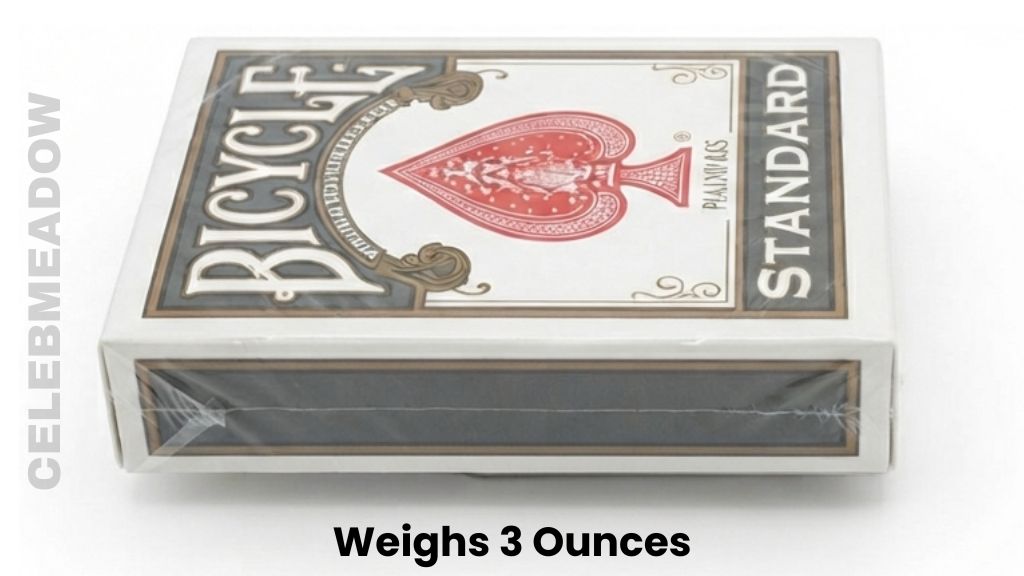
A full deck of playing cards weighs commonly around 3.1 ounces — close enough to 3 oz that nutritionists use it as a go-to serving guide.
Cards are made from high-density paper fused with a plastic polymer layer. That specific construction isn’t random — casinos and card manufacturers need a stock heavy enough to snap cleanly when shuffled but light enough to riffle fast. The result lands at roughly 88 grams for a 54-card deck inside its paper box.
This is why the deck became the go-to visual shortcut in dietary guides. When a label says “3 oz of cooked chicken,” pick up a deck of cards. That flat, palm-sized stack is your portion. Hold one right now and notice how the weight sits evenly across your whole hand — not heavy, not flimsy. Just balanced.
- Key measurement: ~3.1 oz / ~88g
A Standard Lime
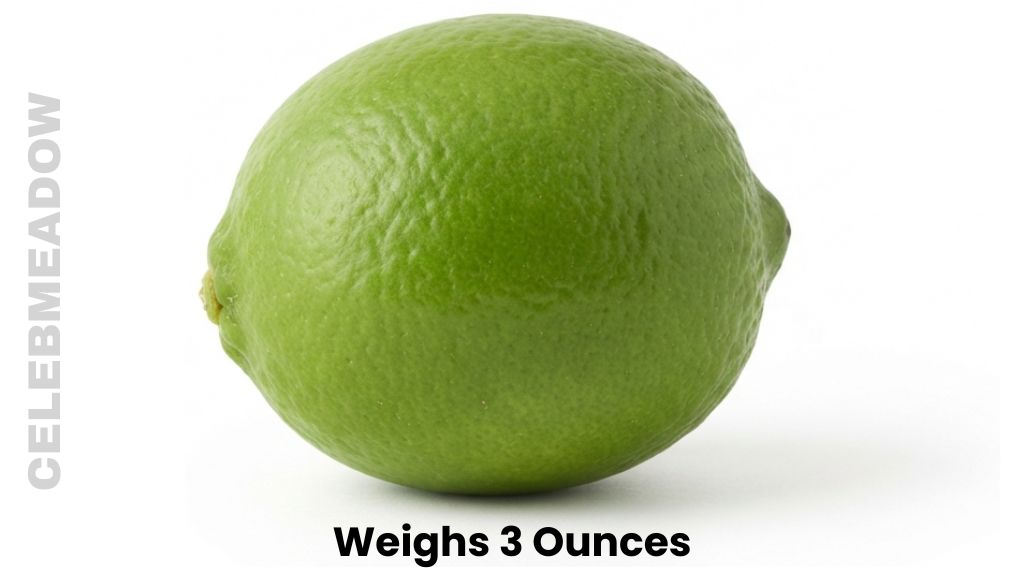
A medium-sized lime tips the scale at commonly around 2 to 3 ounces, putting it right at the lower end of our target.
Commercial limes — the Persian or Tahiti variety you find in every grocery store — are sorted by size before distribution. A medium one lands in that 56–85 gram range. The variation exists because it’s a living fruit, not a manufactured product. Water content, skin thickness, and growing conditions all nudge the weight slightly.
Pick one up the next time you’re at the produce section. It fits snugly in your fist, firm and round, with just a little give. That compact, dense feel? That’s what 3 ounces of natural weight feels like in your grip.
- Key measurement: ~2–3 oz / ~56–85g
Standard TV Remote Control
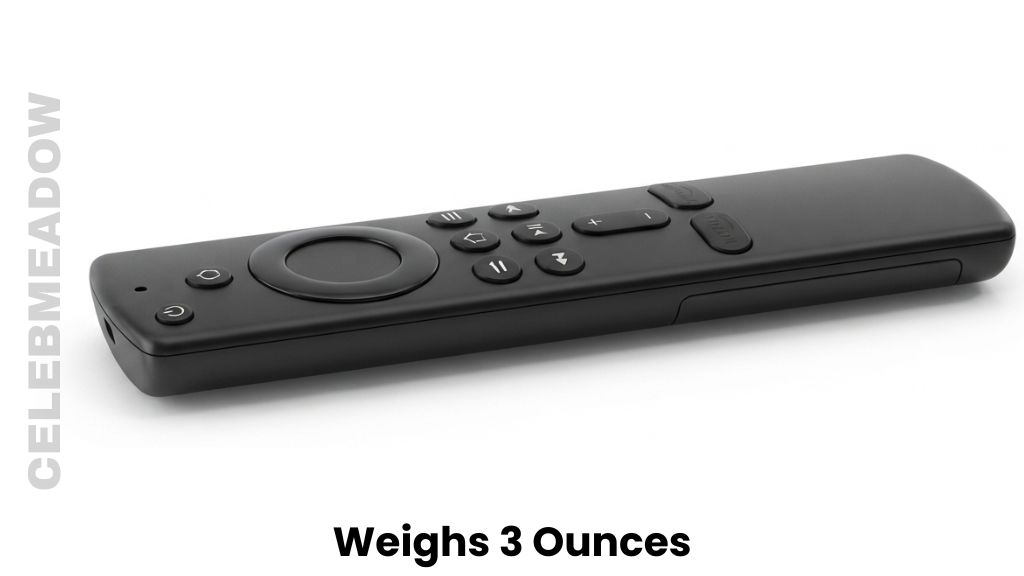
A modern slim streaming remote — like a Fire TV or Roku stick remote with its batteries — weighs commonly around 3 ounces.
Remote controls are engineered to a specific weight on purpose. Product designers spend real time on this. Too light and the remote feels cheap. Too heavy and your wrist tires out after an hour on the couch. That 85-gram target is the result of consumer ergonomics research — the weight that disappears in your hand.
Grab your remote right now. Feel how it rests between your fingers without effort. That casual, barely-there pressure is 3 ounces doing its job. It’s the same weight whether you’re watching a movie or scrolling through channels.
- Key measurement: ~3.0 oz / ~85g
One Extra Small Apple
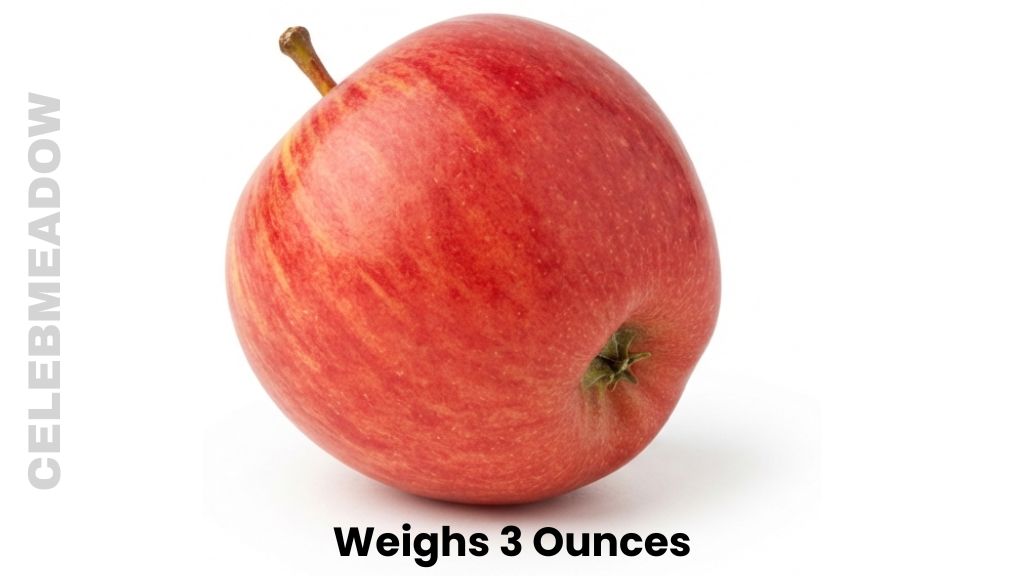
The smallest apples sold commercially — the ones that barely fill your palm — weigh commonly around 3 ounces.
Grocery suppliers sort apples by diameter. An extra-small apple measures roughly 2.25 to 2.5 inches across. These tend to end up in bulk bags, not display pyramids. They’re the last grade before the fruit gets turned into juice or sauce.
Cup one in your hand with your fingers barely closing around it. That’s the entire weight — all of it fitting in one hand with room to spare. For anyone tracking carbohydrate servings, this little apple is a clean, visual, no-scale way to picture a single fruit portion.
- Key measurement: ~3.0 oz / ~85g
Standard Computer Mouse
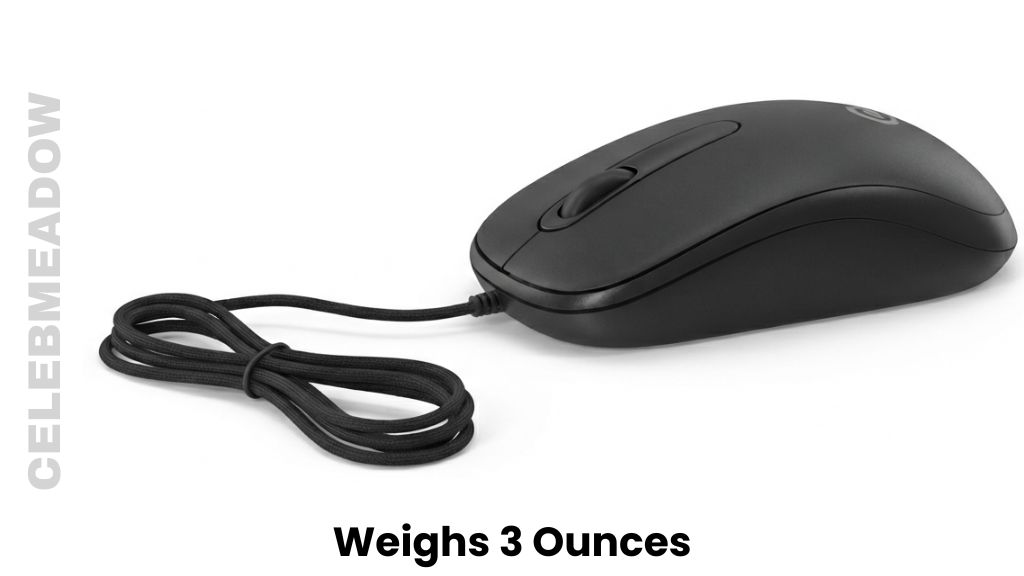
A basic wired office mouse — measured without the cable pulling against it — weighs commonly around 3 ounces.
That weight isn’t accidental. Ergonomic workspace guidelines exist specifically to reduce repetitive strain injuries in office workers. A mouse too heavy causes wrist fatigue by noon. Too light and it skips and loses precision. The 85-gram mark is where gliding across a desk feels effortless over a full workday.
Rest your hand over your mouse right now. Notice that you’re not really “holding” it — you’re just guiding it. That passive, almost weightless feel is exactly 3 oz of precision engineering working in your favor.
- Key measurement: ~3.0 oz / ~85g
A Blue Jay
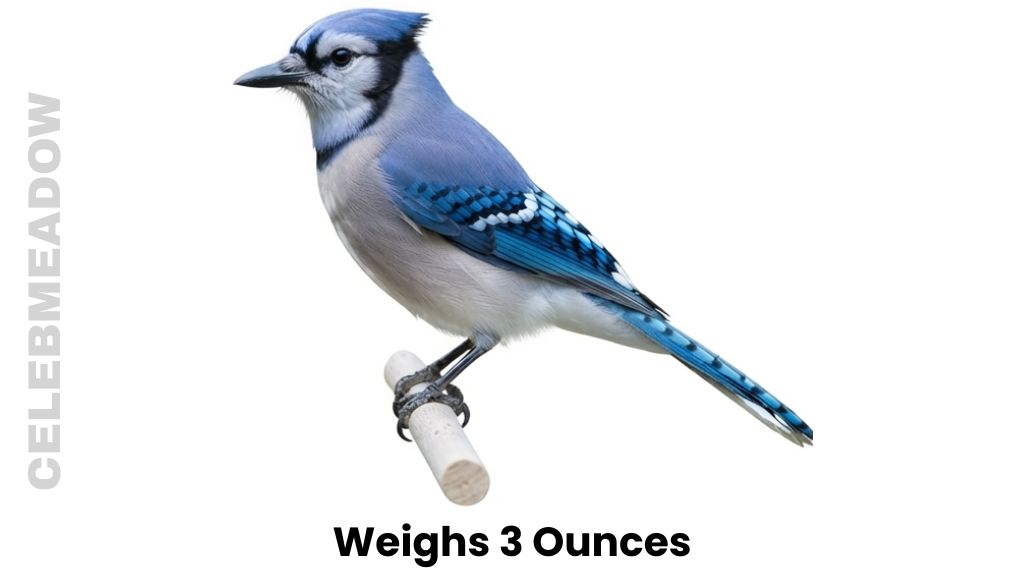
A wild Blue Jay weighs commonly around 3 ounces — the same as your TV remote, but alive and flying.
Bird skeletons are hollow. That’s not a flaw — it’s millions of years of evolutionary design optimizing for flight. A Blue Jay needs enough body mass to store fat for energy and temperature regulation, but not so much that lift becomes a problem. That balance lands right around 85 grams for this species.
Imagine gently cupping a bird in both hands. The warmth, the slight flutter, the almost nothing weight against your palms — that’s what 3 ounces of living biology feels like. It makes the weight feel real in a way a number never can.
- Key measurement: ~3.0 oz / ~85g
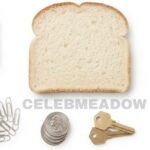
Three Slices of White Bread
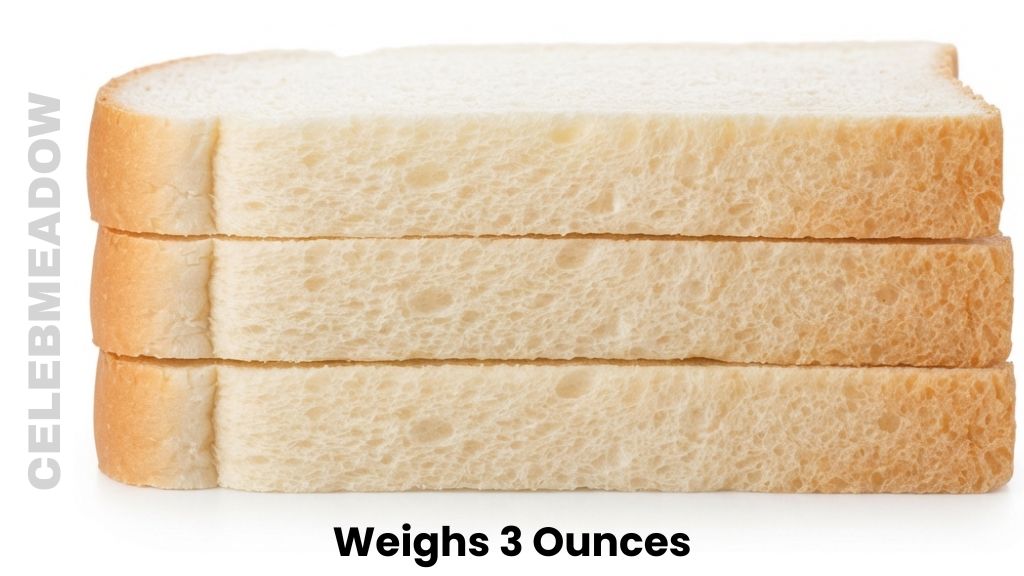
Three slices of standard commercial white sandwich bread weigh commonly around 3 ounces combined — because each slice is calibrated to land at almost exactly 1 ounce.
Industrial bread-slicing machines are set to cut loaves into portions where each slice lands near 28 grams. This isn’t random — commercial bakers work from standardized dough weights and crust-to-crumb ratios. The result is a product where every slice is, with minor variation, 1 ounce.
Stack three slices in your hand right now. Notice how little you feel. They’re soft, airy, and almost weightless. That near-nothing feeling in your palm is still 3 full ounces — proof that weight and density are completely different things.
- Key measurement: ~3.0 oz / ~85g
A Small 30mm Steel Padlock
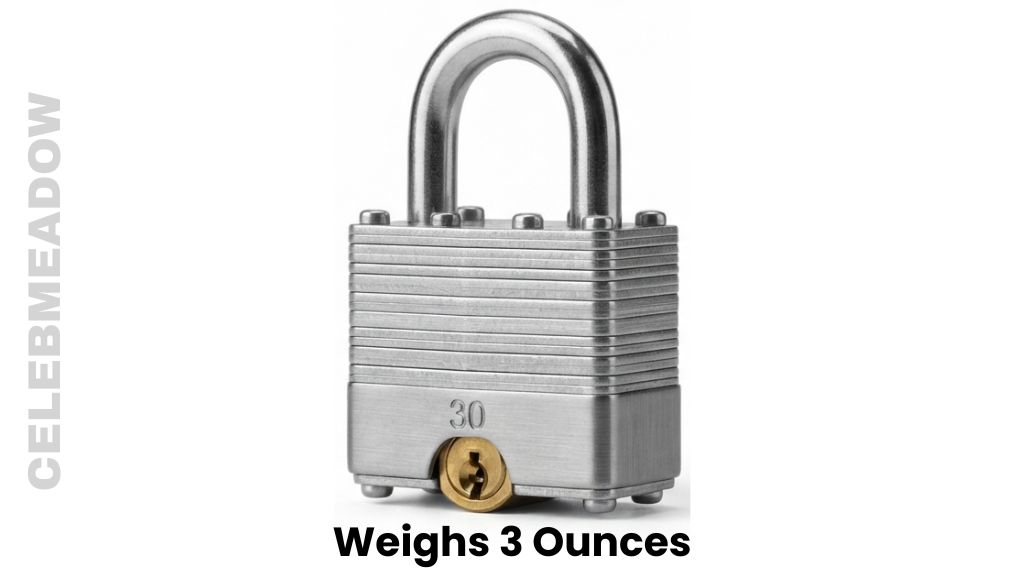
A small 30mm padlock — the kind that fits a gym locker or luggage zipper — weighs commonly around 3 ounces.
That small block of solid metal has to resist forced entry. Manufacturers use dense laminated steel or solid brass to meet industry security standards, which means a lot of material packed into a tiny shape. The result is a lock that feels surprisingly heavy for how small it is.
Pick one up and feel the difference compared to a lime or a bread slice of the same weight. The padlock’s mass is concentrated — cold, hard, and compact. That “heavier than it looks” sensation is called density difference, and it’s a great reminder that 3 ounces can feel totally different depending on what it’s made of.
- Key measurement: ~3.0 oz / ~85g
A Kiwi Fruit
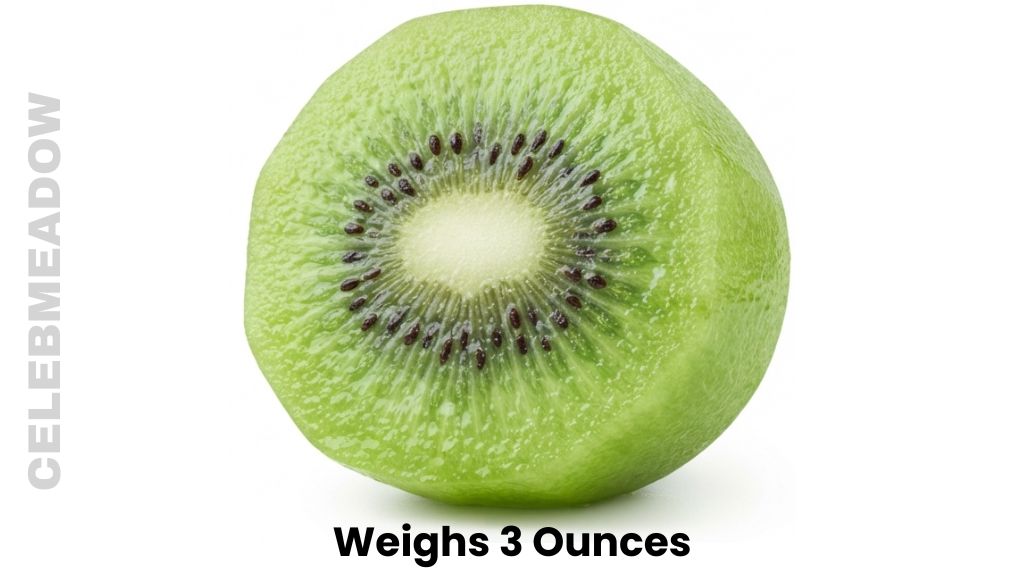
A peeled medium kiwi fruit weighs commonly around 3 ounces — the edible flesh alone, once the fuzzy skin is removed.
Produce distribution networks sort kiwis into grades by size and weight. A standard medium kiwi, after peeling, falls right into the 85-gram range. The peeling matters here — unlike the lime or apple listed above, the kiwi weight refers to what you actually eat.
Hold a peeled kiwi in your palm. It’s soft, slightly slippery, and yields gently under your fingers. Compared to the padlock, same weight — completely different experience. That contrast is exactly why physical references work better than numbers alone.
- Key measurement: ~3.0 oz / ~85g
15 US Quarters
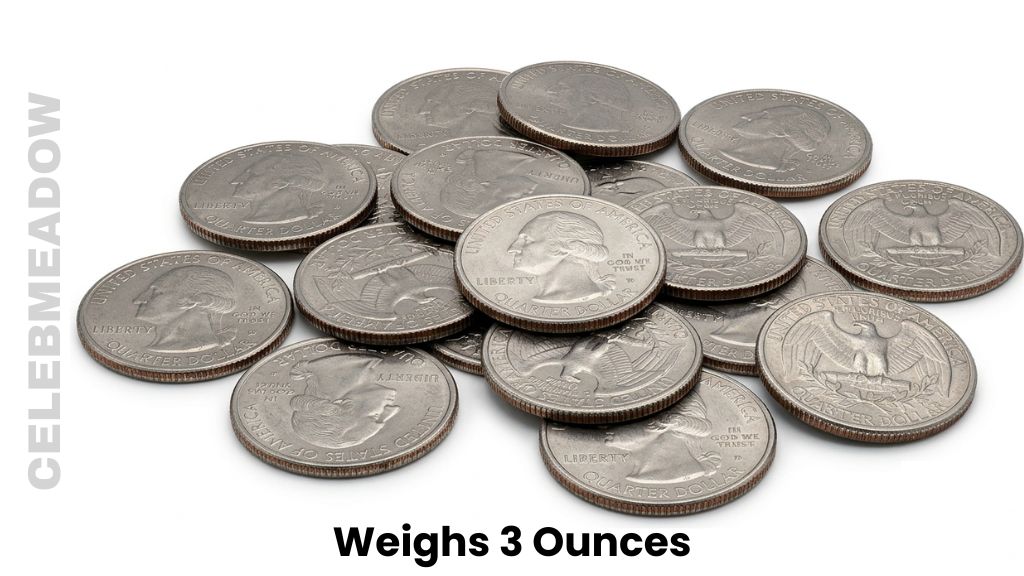
Fifteen US quarters weigh exactly 3.00 ounces — this is one of the few truly precise references on this list.
The US Mint specifies by law that every modern clad quarter must weigh exactly 5.670 grams. No variation. Multiply that by 15 and you get 85.05 grams — essentially 3 ounces on the dot. This makes quarters one of the most reliable low-tech calibration tools available anywhere.
Dig 15 quarters out of a jar or wallet right now. Feel the cool, dense cluster in your palm — the way the coins shift and clink against each other. That specific, clinking, metallic weight is as close to a perfect 3-ounce reference as you can get without a scale.
- Key measurement: 3.00 oz / 85.05g (Exact)
A Small Onion
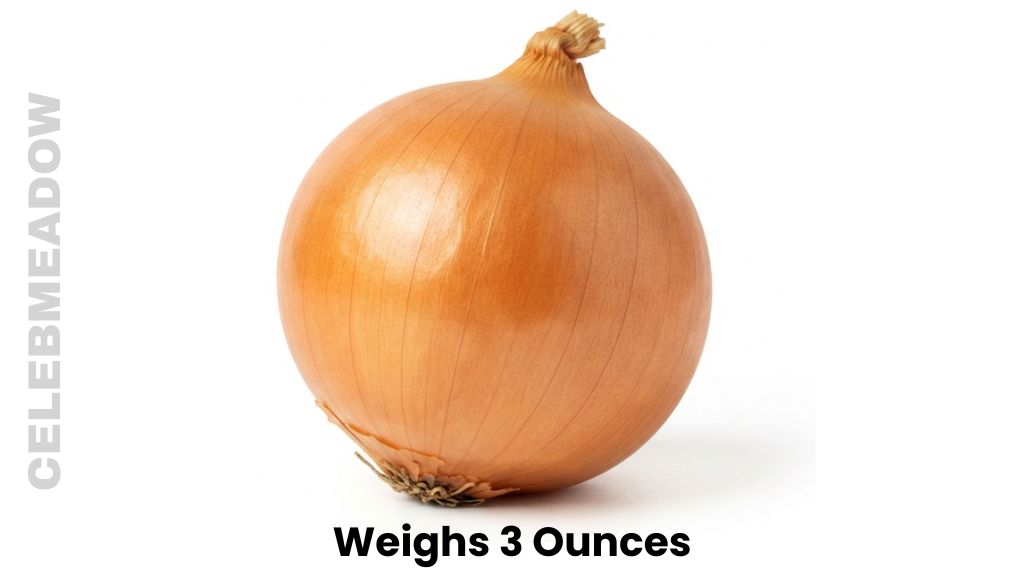
The smallest grade of yellow onion sold in mesh grocery bags weighs commonly around 3 ounces — and it’s roughly the size of a golf ball.
Agricultural distributors sort onions into size grades before packing. A small onion — about 2.25 inches in diameter — represents the minimum commercial size before the bulb gets redirected to industrial food processing. These end up at the bottom of multi-pound mesh bags at the grocery store.
Next time you grab an onion, feel the outermost paper layers — dry, papery, almost fragile. Then press inward and feel the dense, solid bulb underneath. That combination of light outer shell and firm inner core all together is 3 ounces. Useful to know when a recipe says “one small onion” and you want to know the weight without guessing.
- Key measurement: ~3.0 oz / ~85g
Half a Small Chicken Breast
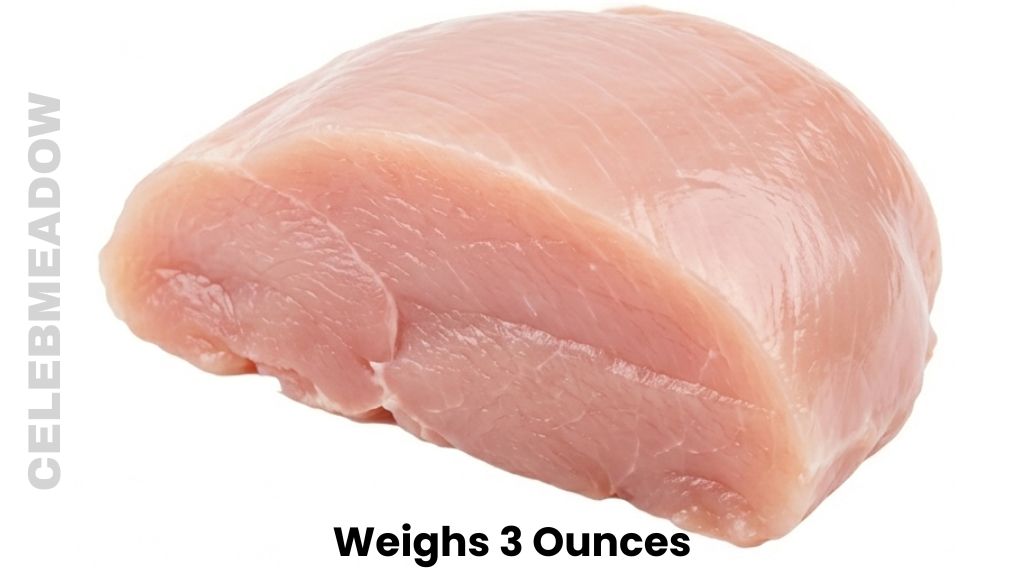
Half of a small boneless, skinless chicken breast weighs commonly around 3 ounces — the standard single-serving protein portion used in fitness and clinical nutrition.
This reference exists in nearly every dietary model for a reason. A single small chicken breast typically weighs 6 to 8 ounces. Slice it in half and you’re close to a 3-ounce serving. Medical nutritionists, meal prep coaches, and sports dietitians all use this as the baseline for a lean protein serving.
Press the flat of your hand against a raw chicken fillet. Feel the dense, firm muscle tissue under your palm — solid and cold. That is 3 ounces of protein-dense food. No deck of cards comparison needed here. This one you can cook, eat, and feel all at once.
- Key measurement: ~3.0–4.0 oz / ~85–113g
75 Jelly Beans
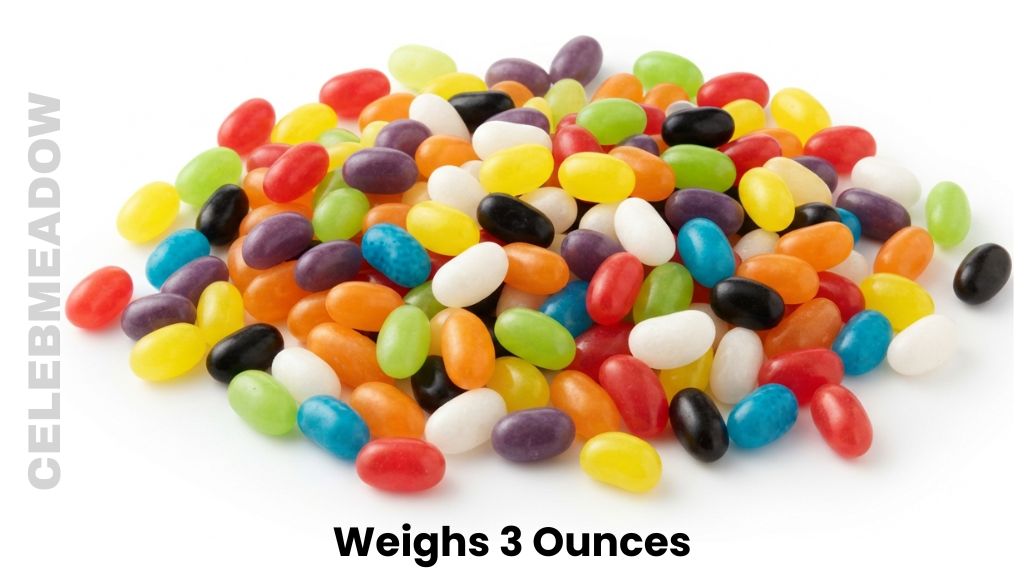
A pile of 75 standard-sized jelly beans weighs commonly around 3 ounces — because confectionery manufacturers calibrate each bean to about 1.1 grams.
Candy production is tightly controlled. Each standard jelly bean gets a precise amount of sugar syrup, starch mold shaping, and coating — resulting in a bean that lands near 1.1 grams every time. That precision is what makes 75 beans a reliable 3-ounce reference.
Cup both hands together and imagine 75 of them piled in your palms. They tumble and shift like smooth little pebbles. Light individually, but together they create a satisfying weight. It’s a fun way to picture 3 ounces — and a useful reminder of just how much sugar fits into what feels like a light handful.
- Key measurement: ~3.0 oz / ~85g
6 Tablespoons of Water
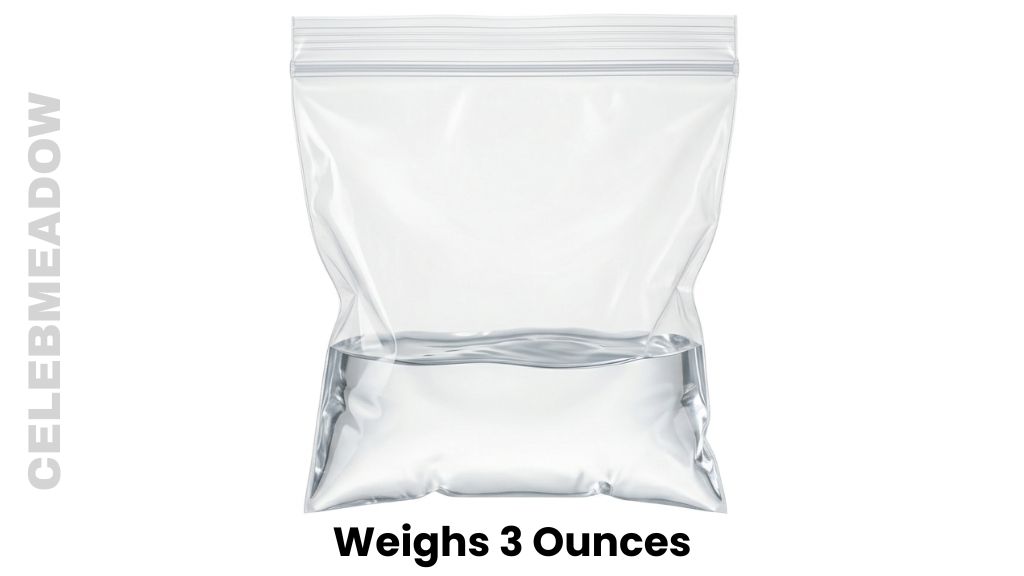
Six tablespoons of water weigh exactly 3.00 ounces — this is a pure physics conversion, not an estimate.
Water is the universal mass reference. One US tablespoon of pure water weighs exactly 0.5 ounces. Double it, triple it — the math stays clean. Six tablespoons equals exactly 3 ounces, or about 89 milliliters. This makes it the most reliable liquid conversion for baking and cooking: 3 oz of water = 6 tablespoons = just under half a cup.
If you have a measuring spoon handy, fill it six times and pour the water into a zip-lock bag. Hold the bag. That cool, shifting, liquid weight pressing against your fingers? Exactly 3 ounces. No guessing required.
- Key measurement: 3.00 oz / ~85g / 6 tbsp (Exact)
Standard 3 oz Can of Cat Food
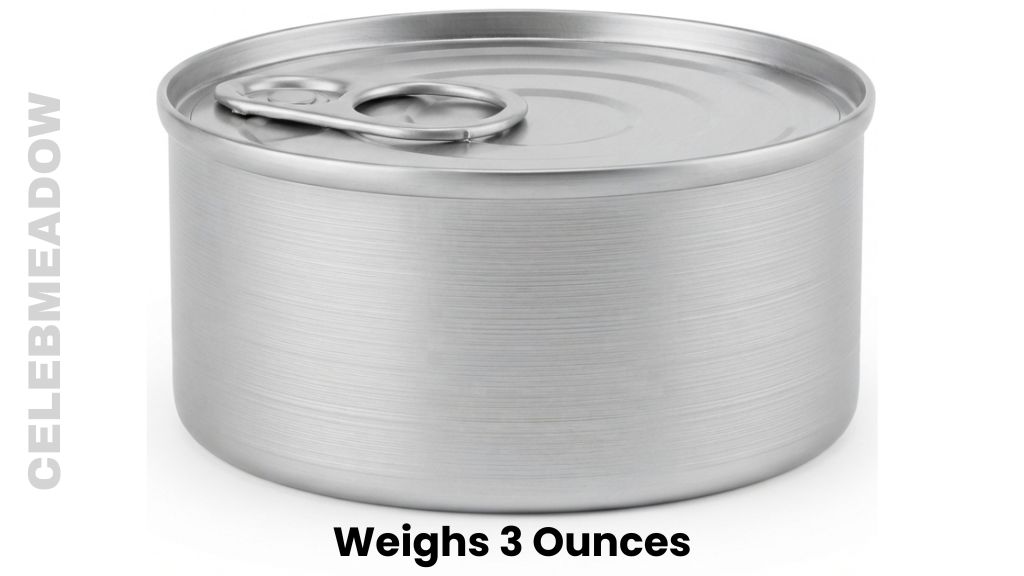
The contents of a standard small cat food tin — like a Fancy Feast can — weigh exactly 3.00 ounces of food net weight.
These small tins exist because pet nutritionists and manufacturers designed them around the average recommended single meal for a domestic cat. The can size isn’t arbitrary — it reflects a carefully calculated caloric and protein serving baseline. The thin aluminum shell adds only about 6 grams; the food inside is the full 3 ounces.
Pick one up on your next grocery run. It’s compact, heavier than it looks, and fits comfortably in one hand. That small, dense cylinder — cool metal outside, dense filling inside — is your most literal, pre-measured 3-ounce reference in the entire supermarket.
- Key measurement: 3.00 oz / 85g (Exact net weight)
How to Picture 3 Ounces Without a Scale
The quickest way to feel 3 ounces is to check your pocket. Pull out whatever loose coins you’re carrying. If you have 15 quarters, you’ve got exactly 3 ounces — and you can feel the cool, dense cluster right there in your palm. No quarters? The smartphone you’re probably holding right now weighs somewhere between 5 and 7 ounces. Three ounces is roughly half that. Let that land for a second.
For a kitchen check, reach for a standard loaf of sandwich bread. Pull out three slices and hold them in one hand. That near-weightless stack — soft, airy, barely there — is still 3 full ounces. Or measure out 6 tablespoons of water into a small bag and hold it. The cool, shifting weight of that liquid against your fingers is about as honest a 3-ounce reference as you’ll find.
3 Ounces Compared to Similar Weights
| Weight | In Grams | Compared to 3 oz of Water (85g) |
| 1 oz | 28g | About ⅓ the weight |
| 2 oz | 57g | About ⅔ the weight |
| 3 oz (target) | 85g | Your reference point |
| 4 oz | 113g | One-third heavier |
| 5 oz | 142g | Nearly double |
| 6 oz | 170g | Exactly double |
Common Questions About 3 Ounces
How much is 3 ounces in grams?
Three ounces equals 85 grams. This is the standard conversion used in cooking, nutrition, and laboratory work. If you’re converting between imperial and metric, 1 ounce = 28.35 grams, so 3 × 28.35 = 85.05 grams.
How much is 3 ounces of water in tablespoons or cups?
Three ounces of water is exactly 6 tablespoons. In cup measurements, that’s 0.375 cups — just under half a cup. If you need milliliters, 3 fluid ounces is approximately 89 ml. This is a straight physics conversion that holds true for water specifically.
What does 3 ounces of meat look like?
Picture a deck of playing cards laid flat. That flat, rectangular stack is the most widely recognized visual guide for a 3-ounce cooked meat serving used in dietary guidelines. You can also think of half a small chicken breast — roughly the size of your palm minus the fingers.
How can I measure 3 ounces without a scale?
Count out 15 US quarters. They weigh exactly 3.00 ounces by law. You can also measure 6 level tablespoons of water — which equals exactly 3 ounces — using a standard measuring spoon. Both methods require no scale and give you a precise result.
Is 3 ounces a lot or a little?
Three ounces is a small amount. It’s roughly the weight of a TV remote, a lime, or a small apple. In food terms, it’s a single standard protein serving — not a full meal portion. For liquids, it’s less than half a standard cup, so it fills the bottom third of a typical drinking glass.
How much is 3 ounces in pounds or kilograms?
Three ounces equals 0.1875 pounds — just under one-fifth of a pound. In kilograms, it’s 0.085 kg. These conversions matter when reading international food labels or shipping weight limits.
What household item weighs exactly 3 ounces?
The most precise everyday reference is 15 US quarters (exactly 85.05 grams by federal law) or a standard 3 oz can of cat food. If you want something you can feel right now, your TV remote — batteries included — sits at commonly around 3 ounces.
Three ounces lives in that sweet spot where weight feels real but light — small enough to palm without strain, heavy enough to notice. Whether you remember the stack of 15 quarters clicking in your hand, the barely-there lift of three bread slices, or the compact density of a small padlock, you now have more than enough anchors to feel this weight without a scale. The number 3 oz is no longer abstract — it’s sitting somewhere in your kitchen, your pocket, or your living room right now.
Related More Measurements Guides:

I’m Cherry Sin, and I write clear, practical guides that help people understand everyday measurements and sizes. I focus on turning numbers into easy mental pictures using familiar objects and real-life situations. At Celebmeadow, I write guides that explain measurements in a simple, visual way.