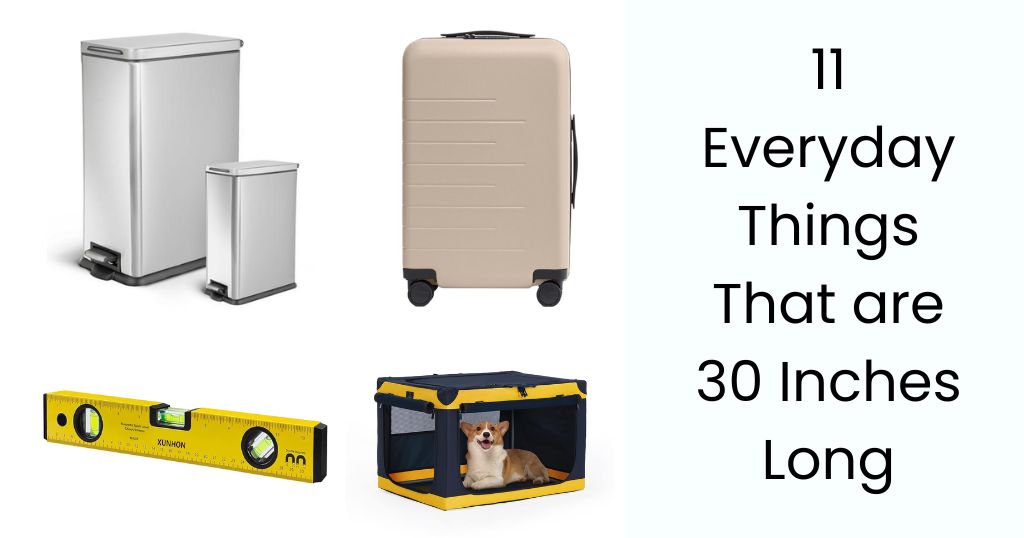
You’re rearranging your bedroom and need to know if that new dresser will fit under the window. Or maybe you’re shopping online for a trash can and wondering if 30 inches will look comically tall in your kitchen. The number “30 inches” sits right there on the screen, but what does it actually look like in your space?
Most of us don’t walk around with a mental ruler, and converting numbers doesn’t solve the real problem—you need to picture the height in a way that makes sense right now, in the room you’re standing in.
What Exactly is 30 Inches?
Thirty inches equals 2.5 feet, or just a bit over 76 centimeters (76.2 cm to be exact). In meters, that’s 0.76 meters.
But here’s what matters more: 30 inches falls right at that middle ground where things feel substantial without being oversized. It’s taller than your knee but well below your hip. It’s the height where furniture starts to interact with your body differently—where a surface becomes useful for working, not just for setting things down.
11 Objects That Show You 30 Inches in Real Life
| Objects/Items | Type | Measurement/Dimension |
| Kitchen Stove (Side to Side) | Home/Appliances | Width: ~30 inches |
| Microwave Above Stove | Home/Appliances | Width: ~30 inches |
| Bar Stool Seat | Furniture | Height from floor: 30 inches |
| Medium Dog Crate | Pets | Length: 30 inches |
| Interior Door | Home/Construction | Width: 30 inches |
| Large Check-In Suitcase | Travel | Height including wheels: ~30 inches |
| 30-Inch Spirit Level | Tools/Construction | Length: 30 inches |
| Standard Bathroom Vanity | Home/Furniture | Width: 30 inches |
| Desk or Dining Table (Top to Floor) | Furniture | Height: ~30 inches |
| Backyard Fire Pit | Outdoor/Decor | Diameter: 30 inches |
| Kitchen Trash Can | Home/Appliances | Height: ~30 inches |
1. Your Kitchen Stove (Side to Side)
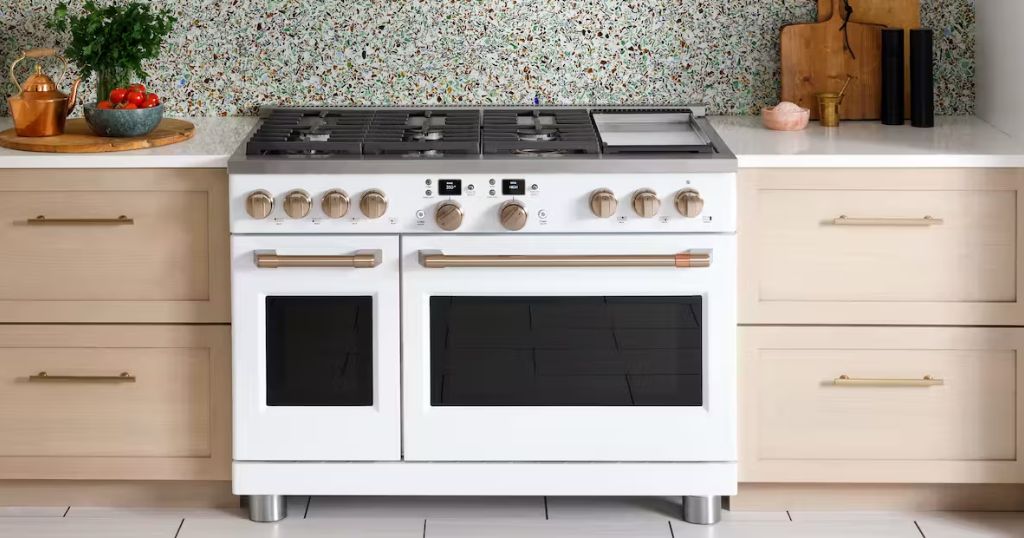
Walk up to your oven and look at it straight on. The distance from the left edge to the right edge is almost certainly 30 inches. This isn’t a coincidence—nearly every freestanding range in American homes follows this exact width so that cabinet makers know exactly how much space to leave.
This standardization means your stove becomes a reliable measuring tool. Need to picture 30 inches vertically? Turn that stove width on its side in your mind.
2. The Microwave Above Your Stove
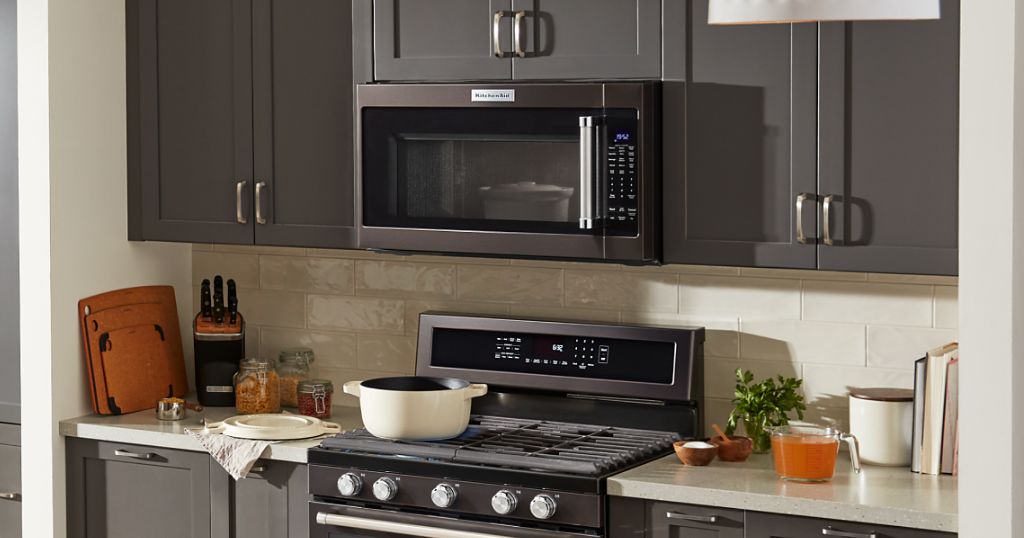
If you have a microwave mounted over your range, it matches that same 30-inch width. Manufacturers design these units to line up perfectly with the cooking surface below. This pairing gives you two separate 30-inch references in the same sight line, which makes the measurement easier to lock into memory.
3. The Seat of a Bar Stool
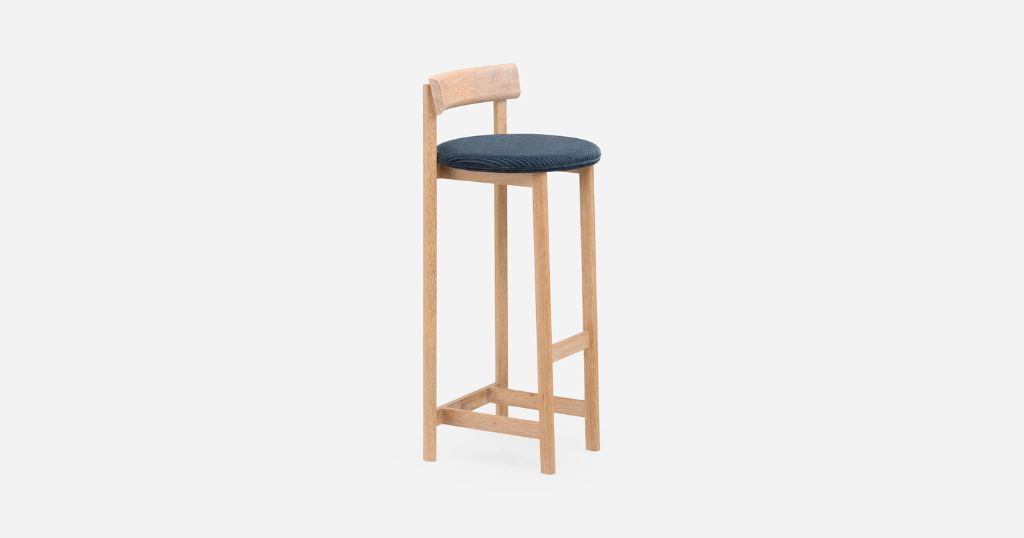
Bar stools—the taller ones made for actual bar counters, not kitchen islands—have seats that sit 30 inches off the floor. This specific height works because it pairs with 42-inch bar tops, leaving comfortable leg room underneath.
If you’ve ever sat at a proper bar and noticed your feet don’t quite reach the floor, that’s the 30-inch seat height at work. It’s noticeably taller than regular chairs, which sit around 18 inches high.
4. A Medium Dog Crate
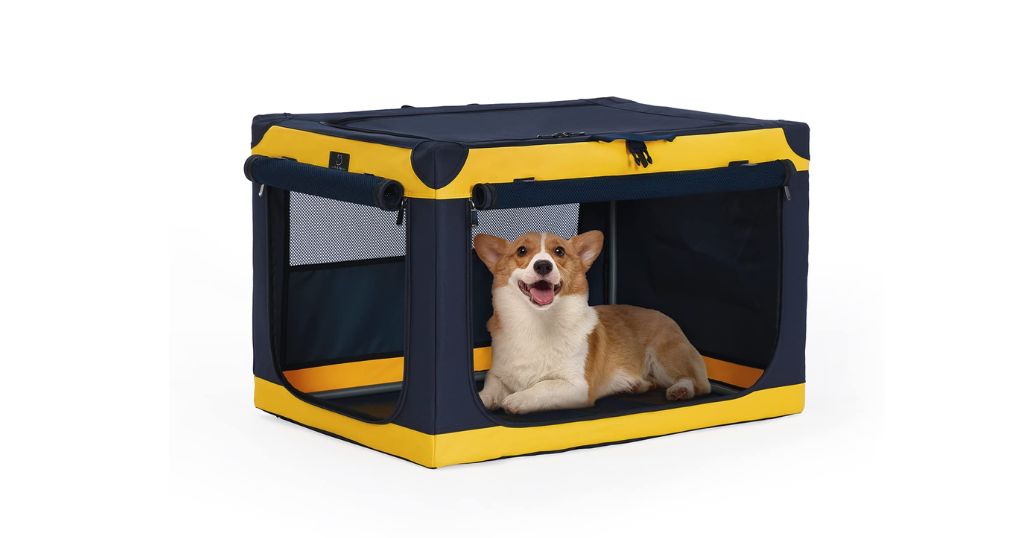
Pet supply companies size their wire crates by length, and the “Medium” category runs 30 inches long. This size fits breeds like Beagles, French Bulldogs, and Miniature Schnauzers—dogs that need room to stand and turn but aren’t large enough for the next size up.
If you’ve ever carried one of these crates from your car to the house, you know the length spans a decent portion of your arm reach. It’s manageable but not small.
5. Interior Doors in Your Home
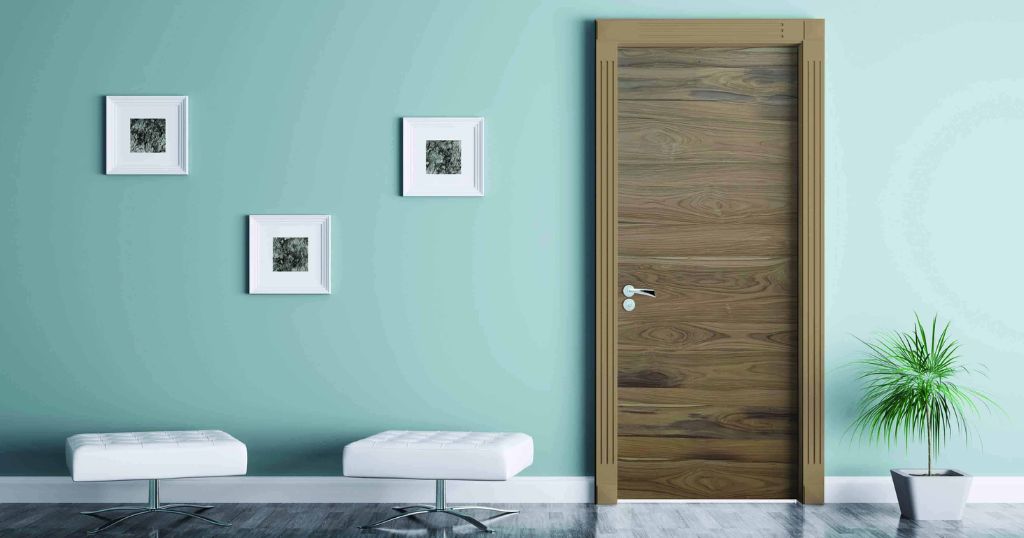
Bedroom doors, bathroom doors, and closet doors in modern homes are typically 30 inches wide. Front doors are usually wider at 36 inches, but the doors inside your house stick to this narrower standard to save space and cost.
Next time you walk through a bedroom doorway, notice the width. That’s your 30 inches running vertically if you flip it in your mind.
6. A Large Check-In Suitcase
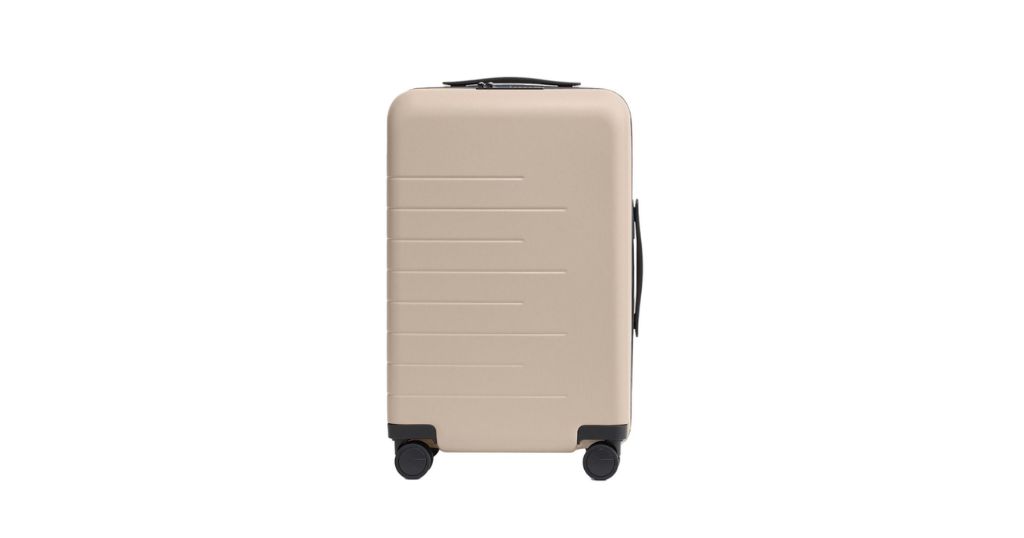
The biggest suitcase you can check at the airport—the kind that’s too large to carry on—usually measures 30 inches tall when you include the wheels. Airlines use a 62-inch rule (height plus width plus depth), so manufacturers design large bags right up to that 30-inch height mark to give you maximum packing space.
Stand one of these suitcases upright next to you. It’ll come up somewhere around your thigh or hip, depending on your height.
7. A 30-Inch Spirit Level
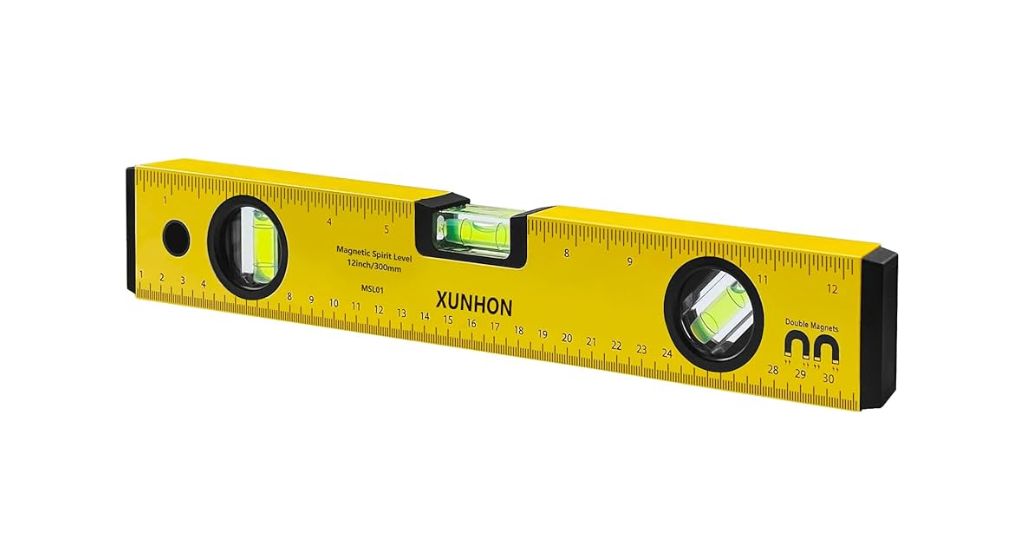
Contractors keep multiple levels in their trucks, and the 30-inch version serves a specific purpose: centering windows and doors during installation. It’s long enough to span a door frame but short enough to maneuver in tight spaces.
Hardware stores stock these as a standard size. The tool itself is a solid, physical representation of 30 inches—straight, rigid, and exact.
8. A Standard Bathroom Vanity
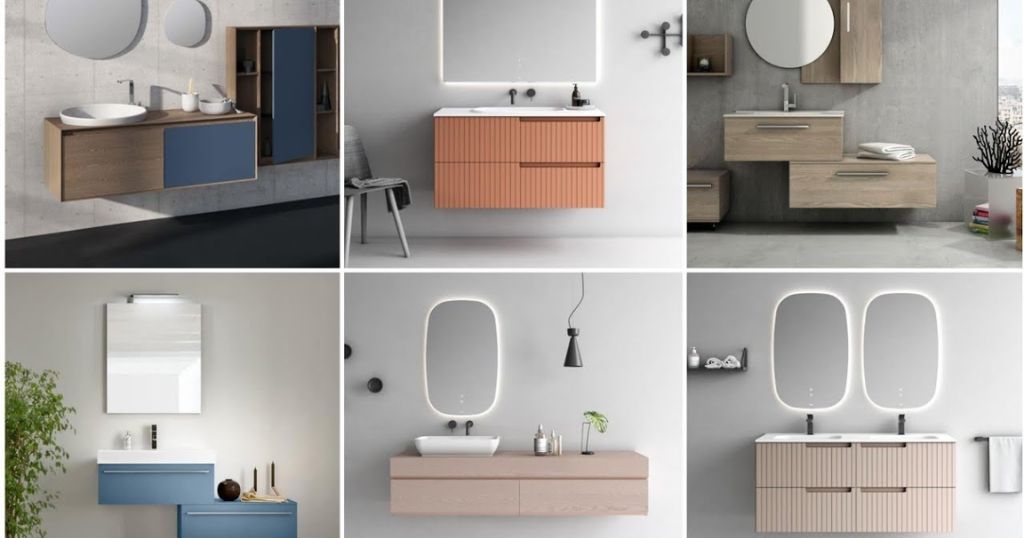
When people remodel a small bathroom, the 30-inch vanity is usually the go-to choice. It’s wider than a tiny pedestal sink but doesn’t overwhelm the room like a 48-inch double vanity would.
This size gives you drawer space and a bit of counter room without requiring a huge bathroom. If you’ve ever shopped for bathroom cabinets, you’ve probably seen “30-inch vanity” listed everywhere—it’s one of the most common pre-built sizes.
9. Your Desk or Dining Table (Top to Floor)
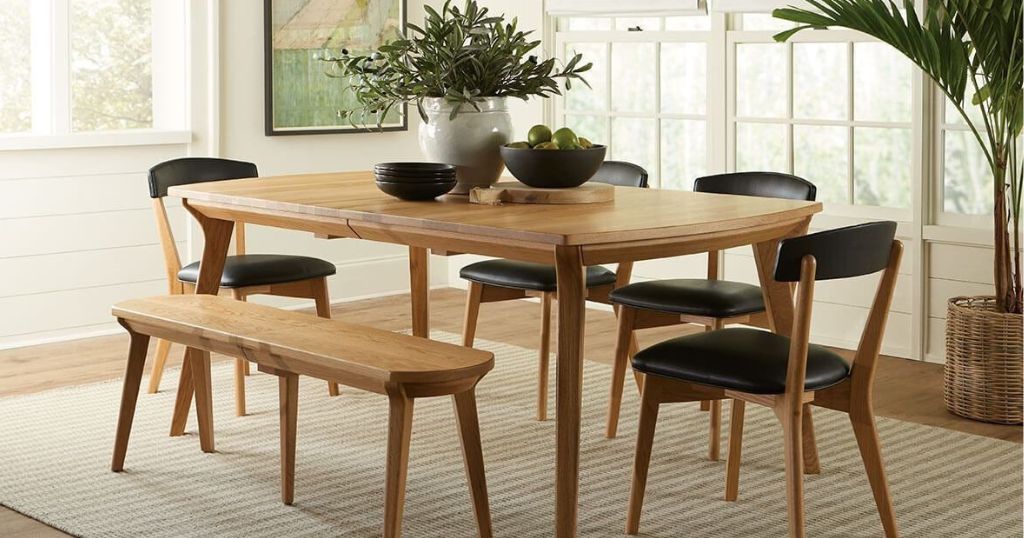
Sit down at your desk or kitchen table and pay attention to where the tabletop hits your body. Most standard tables designed for sitting land between 28 and 30 inches tall, following BIFMA office furniture height standards to ensure ergonomic comfort. This height creates comfortable clearance for your legs and keeps your arms at a natural angle when you’re typing or eating.
This explains why tables feel so uniform across different homes and offices—the measurement is based on average human proportions.
10. A Backyard Fire Pit

If you’ve browsed fire pits at a home improvement store, you’ve probably noticed they come in a “standard” size. That size is usually a 30-inch diameter bowl.
This measurement gives you enough fire space for a group to sit around comfortably without the pit taking over your entire patio. It’s wide enough to feel generous but still portable enough to move when you need to.
11. A Kitchen Trash Can
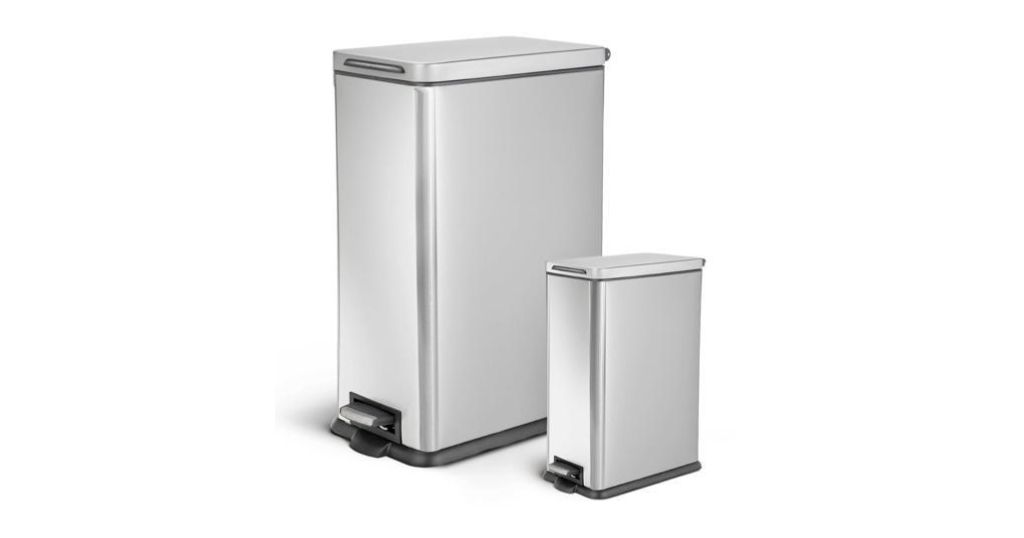
Those tall, sleek trash cans with the foot pedal—especially the 13-gallon stainless steel ones—stand right around 30 inches high. This height is chosen carefully so the lid can swing open without smacking into the underside of your kitchen counter, which typically sits at 36 inches.
If you have one of these in your kitchen, it’s a daily reference point. The top of the can probably comes up to about your mid-thigh.
When 30 Inches Actually Matters
This measurement pops up most often when you’re dealing with fit and clearance. You’re trying to slide furniture under a window. You’re checking if a new appliance will line up with your counters. You’re buying a suitcase and wondering if it’ll fit in your car trunk standing upright.
Thirty inches is also the threshold where things start to feel “right-sized” for human interaction. It’s tall enough to be functional—like a bar stool that keeps you elevated at conversation height—but not so tall that it becomes awkward to use.
In kitchens and bathrooms especially, 30 inches acts as a planning module. Cabinets, appliances, and fixtures follow this dimension because builders and designers know it creates predictable, workable layouts.
Picturing It Without Measuring
If you don’t have any of these objects nearby, use your body. For most adults, 30 inches reaches somewhere between mid-thigh and hip level. Hold your hand flat at that height—that’s your rough reference.
You can also think about it as two and a half rulers stacked end to end, since standard rulers are 12 inches. Or picture five dollar bills lined up vertically (each bill is about 6 inches long). But honestly, the stove width is the easiest anchor. Almost everyone has one, and it never changes size.
Safety Tip: Keep in mind that 30-inch furniture or appliances can pose stability or ergonomic concerns. For example, bar stools should be sturdy, tall trash cans should be placed where they won’t tip over, and surfaces may be out of reach for children or shorter adults. Always consider who will interact with the item before buying or placing it.
30 Inches vs 28 Inches vs 36 Inches: What the Difference Feels Like
| Measurement | What It’s Commonly Used For | How It Feels in Real Life | When It Works Best |
| 28 inches | Writing desks, office tables, kids’ tables | Feels slightly lower; your elbows drop a bit when sitting | Typing, writing, or tasks where arms need to rest lower |
| 30 inches | Dining tables, bar stool seats, trash cans, vanities | Feels balanced and natural; easy to reach without bending | Everyday use where comfort and reach matter |
| 36 inches | Kitchen countertops, standing work surfaces | Feels tall; elbows bend upward when sitting | Standing tasks like cooking or food prep |
Common Questions About 30 Inches
Is 30 inches considered tall for furniture?
It depends on the piece. For a trash can or side table, 30 inches is fairly tall. For a stool, it’s bar height. For a table, it’s standard sitting height. The context determines whether it feels tall or not.
How much floor space does 30 inches take up?
If something is 30 inches wide, it occupies 2.5 feet of horizontal space. Picture your oven width, then imagine that space empty—that’s how much room it needs.
Can I carry something that’s 30 inches long?
Yes, but it’ll feel substantial. Think about carrying a dog crate or a large suitcase—it’s doable, but you’ll need both hands and a bit of effort.
What’s the difference between 30 inches and 3 feet?
Thirty inches is 2.5 feet, so 3 feet is actually 6 inches taller. That difference is roughly the length of a dollar bill, which might not sound like much but becomes noticeable when you’re fitting something into a tight space.
Locking It Into Memory
The next time you see “30 inches” on a product listing or tape measure, think about your stove. Picture a bar stool seat. Imagine that big rolling suitcase you’ve wrestled through an airport.
These objects exist in your everyday life specifically because 30 inches solves real design problems—it fits human bodies, pairs with standard construction dimensions, and balances function with space efficiency.
Once you connect the number to something you see and touch regularly, it stops being abstract. You’ll know exactly what fits, what works, and what won’t before you ever pull out a measuring tape.
Enjoy learning about everyday measurements and their real-life comparisons at Celebmeadow.com.

I’m Cherry Sin, and I write clear, practical guides that help people understand everyday measurements and sizes. I focus on turning numbers into easy mental pictures using familiar objects and real-life situations. At Celebmeadow, I write guides that explain measurements in a simple, visual way.