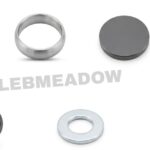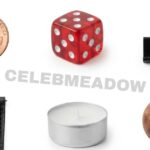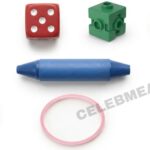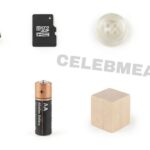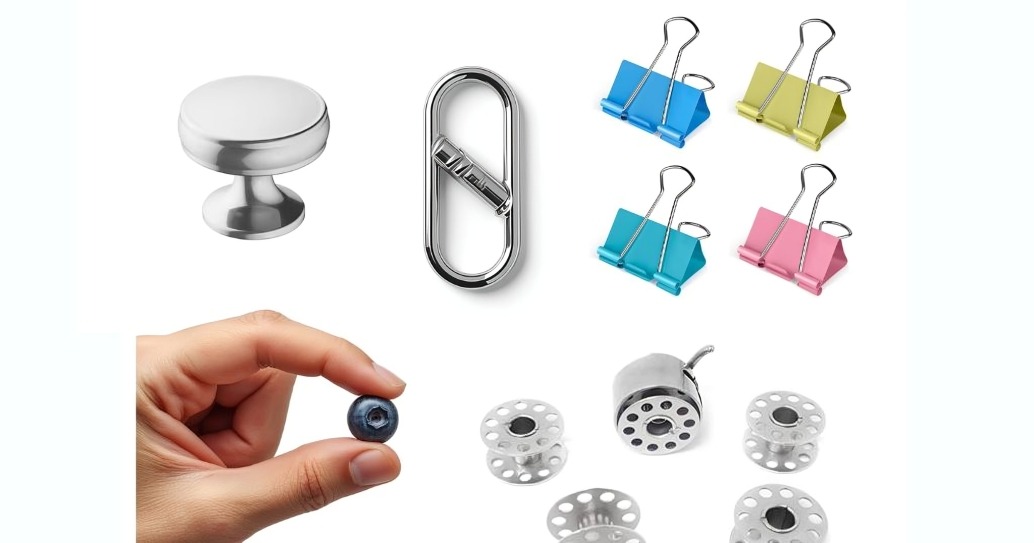
You’re buying replacement cabinet knobs online. The listing says “1-inch diameter.” You pause. Is that going to look too small? Too large? Will it even fit your fingertips comfortably? One inch equals 0.083 feet or 2.54 centimeters — and on paper, that tells you almost nothing. What actually helps is seeing it in something you’ve already touched today.
How Long is 1 Inch? Quick Conversions
| Unit | Value |
|---|---|
| Inches | 1 in |
| Feet | 0.083 ft |
| Centimeters | 2.54 cm |
| Millimeters | 25.4 mm |
| Meters | 0.0254 m |
12 Everyday Objects That Visualize How Long Is 1 Inch
| No | Object | Category | Measurement |
|---|---|---|---|
| 1 | Standard Cabinet Knob | Hardware / Home Fixture | 1 inch face diameter |
| 2 | Medium Binder Clip | Office Supply | 1 inch mouth width |
| 3 | CPU Thermal Paste Line | Computer Hardware | ~1 inch line length |
| 4 | Natural “Pinch” Width | Human Body Reference | ~1 inch pinch span |
| 5 | Large Watch Band | Clothing & Accessories | ~1 inch lug width (24–26 mm) |
| 6 | Coquina Seashell | Nature | ~1 inch shell width |
| 7 | Blue Jay Egg | Animal / Bird | 1–1.1 inches in length |
| 8 | Square Mosaic Tile | Home Improvement | 1 × 1 inch face |
| 9 | Gym Locker Padlock | Security / Hardware | ~1 inch shackle clearance |
| 10 | Heavy-Duty Key Ring | Everyday Carry (EDC) | ~1 inch outer diameter |
| 11 | Class 15 Sewing Bobbin | Sewing & Craft | ~1 inch diameter |
| 12 | Construction Staple | Construction / Fastener | 1 inch crown width |
1. Standard Cabinet Knob (Face Diameter)
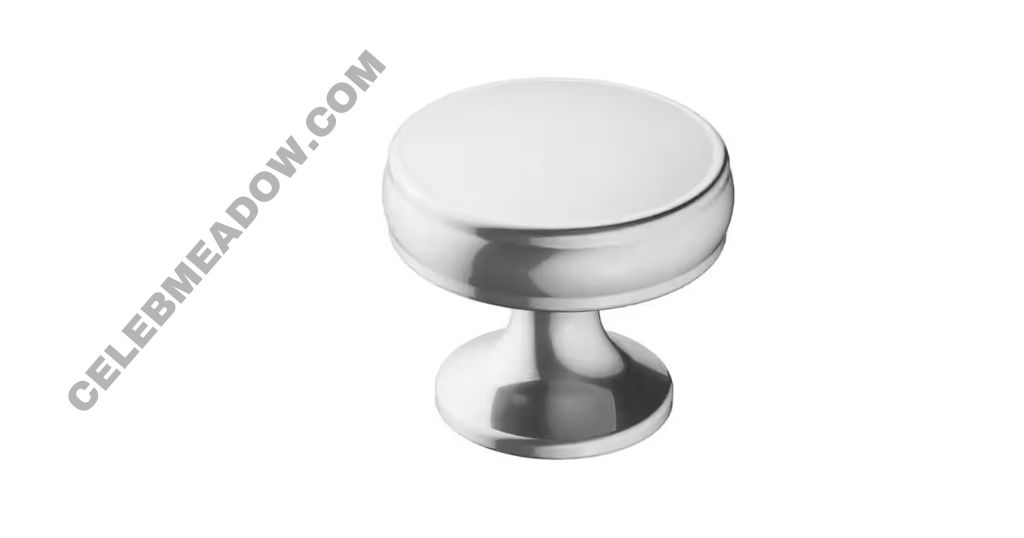
Walk into any hardware store and the most common “mushroom” style cabinet knob has a face diameter of 1 inch (25.4 mm). That size exists for a specific ergonomic reason — it is wide enough for a full thumb-grip without the knob pulling away from the door surface.
Go smaller and the knob feels like a button. Go larger and it starts catching on adjacent drawers. If you are replacing kitchen hardware and the listing says 1-inch diameter, this is exactly the grip size you grew up using in most homes.
Key measurement: 1 inch / 25.4 mm (face diameter)
2. Medium Binder Clip (Mouth Width)
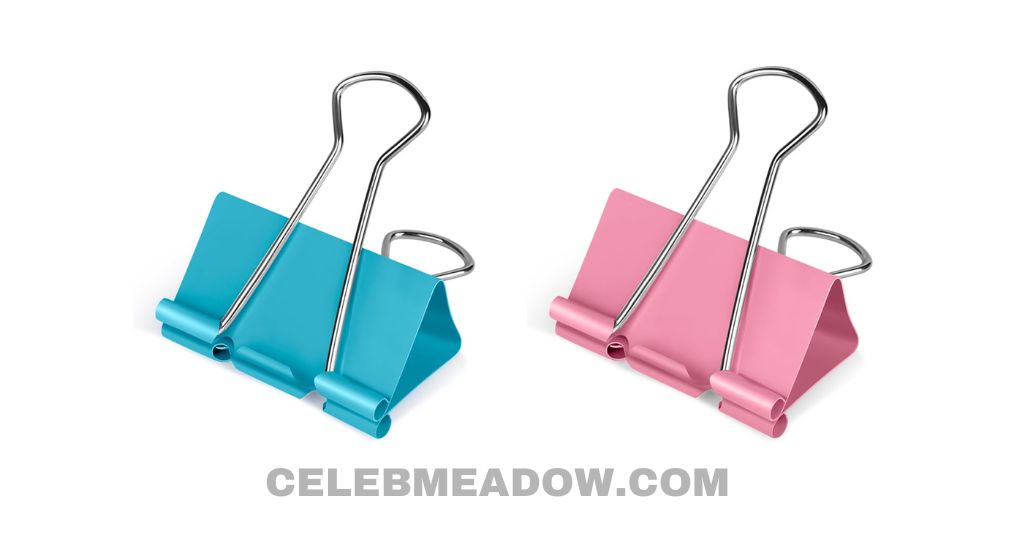
The metal mouth of a medium binder clip opens to 1 inch wide. That width is not accidental — it is the threshold where the clip can hold 50 to 60 sheets of standard paper under enough spring tension to stay shut without tearing the edges.
If your stack bulges past that 1-inch opening, the clip will keep popping off. That is your cue to move up to the large 1.25-inch version. One inch is the tipping point between “this works” and “this keeps failing.”
Key measurement: 1 inch / 25.4 mm (mouth width)
3. CPU Thermal Paste Application Line
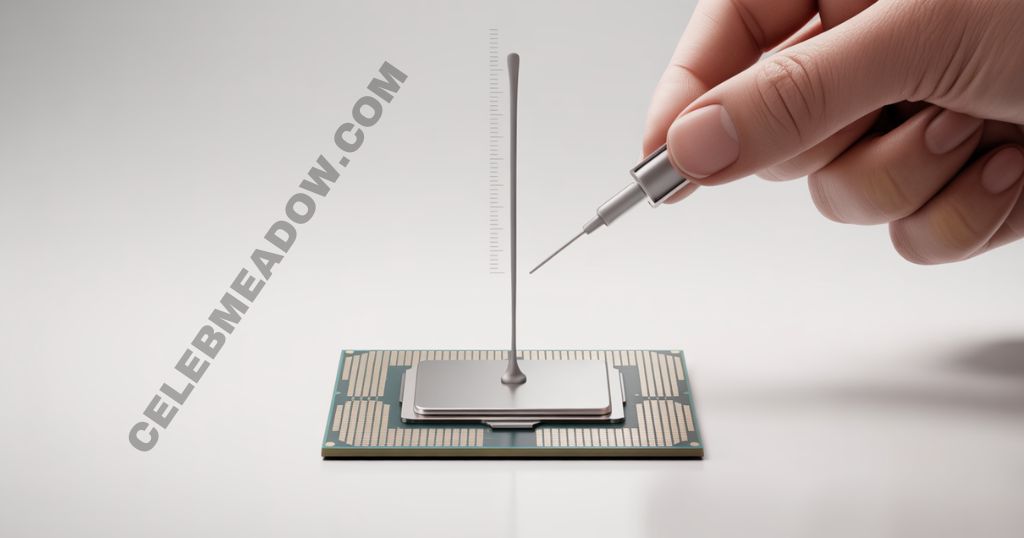
When building a PC, the recommended application of thermal paste on an LGA 1700 or AM5 processor is a line roughly 1 inch long drawn down the center of the chip. That length matters because it is calibrated to spread across the entire heat spreader surface when the cooler is pressed down — without overflowing onto the motherboard.
Too short and you get hot spots. Too long and paste spills into the socket. One inch is the sweet spot, and now you have a physical reference for it.
Key measurement: ~1 inch / ~25 mm (paste line length)
4. The Natural “Pinch” Width
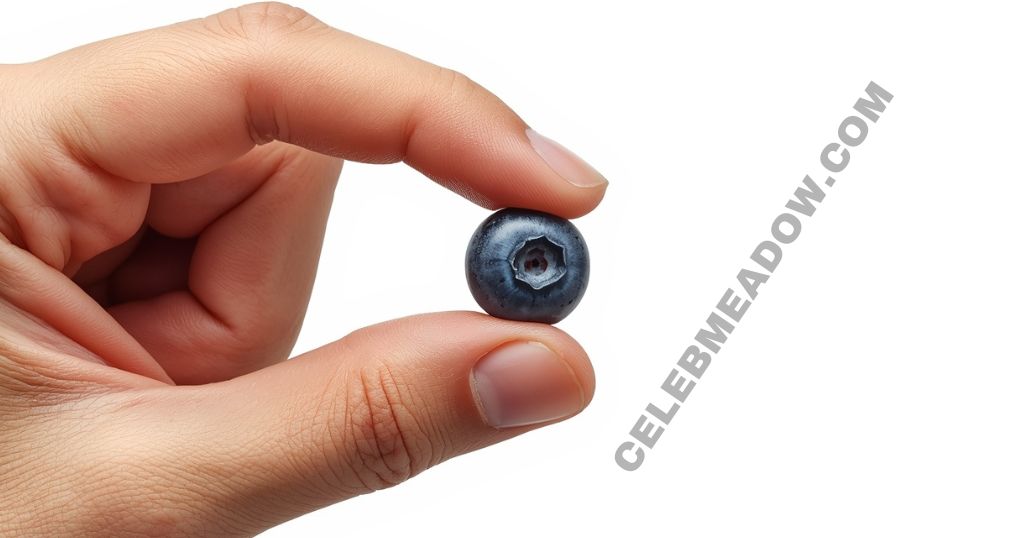
Hold a blueberry between your index finger and thumb. That gap — the natural pinch width for most adults — is commonly around 1 inch. This reference is genuinely useful for safety checks.
Any small object that fits easily inside that 1-inch pinch is a choking or chew hazard for toddlers and small pets. Child safety guides use this exact body-reference test. You carry this measurement on your hand at all times — no ruler needed.
Key measurement: ~1 inch / ~25 mm (pinch span)
5. Large Watch Band (Lug Width)
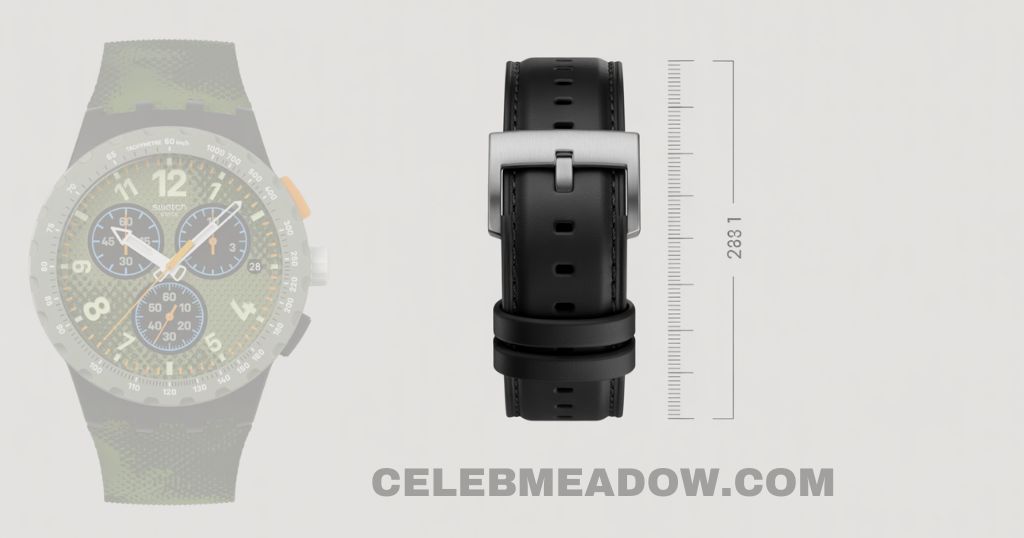
A 24 mm to 26 mm watch lug width — the space between the case where the strap attaches — is essentially 1 inch wide. Watch designers use this width as the boundary between a standard men’s dress watch and a bold statement piece.
Anything at or above 1 inch reads as “heavy” on the wrist. If you are buying a replacement strap and the listing says 24 mm, picture a width of 1 inch and you will know immediately whether that suits the style you want.
Key measurement: 24–26 mm / ~1 inch (strap width)
6. Coquina Seashell (Width)
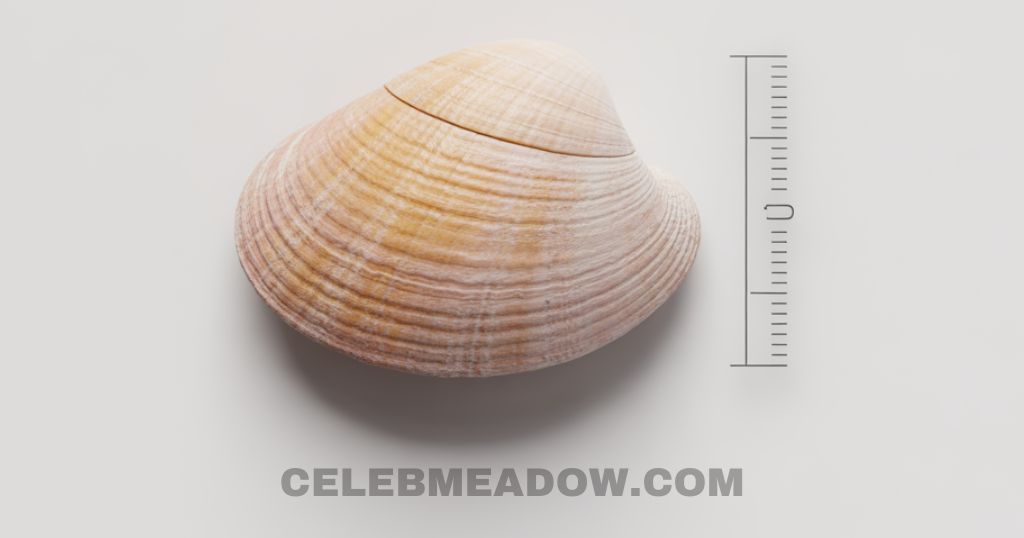
The average adult Coquina shell — those small wedge-shaped shells you find washed up along Atlantic shorelines — reaches about 1 inch across at its widest point. That size is not random. It is the maximum growth a Coquina can reach before its thin shell becomes too heavy for the animal to move efficiently in wet sand.
For crafters, this size matters practically: a 1-inch shell needs at least a 1-inch deep shadow box frame to sit flat without the curved edge pressing against the glass.
Key measurement: ~1 inch / ~25 mm (shell width)
7. Blue Jay Egg (Length)
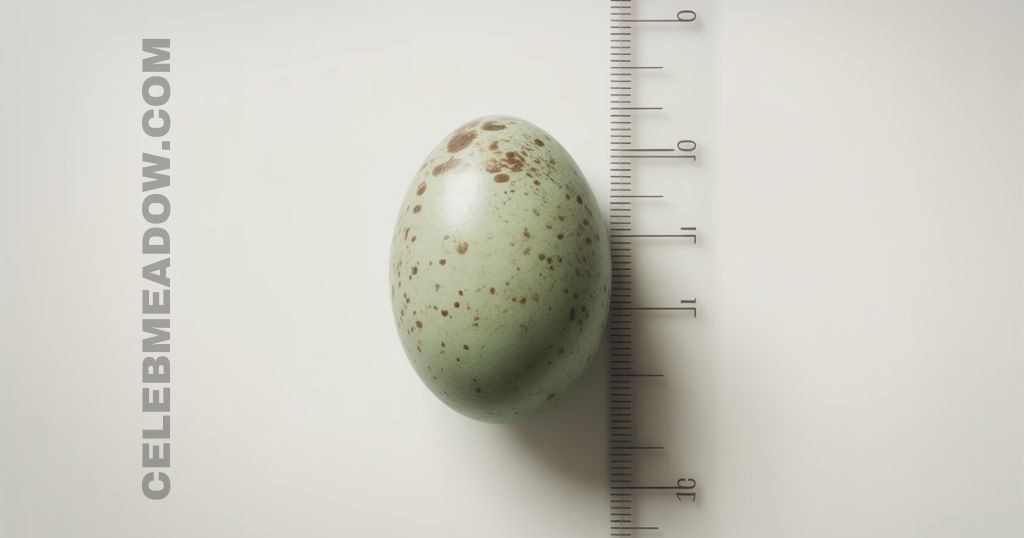
A Blue Jay egg is consistently 1 inch to 1.1 inches long. For a backyard birdwatcher, this measurement is a fast field identification tool. If you find an unhatched egg that is just at the 1-inch mark, with a greenish or buff shell marked with brown spots, there is a strong chance it belongs to a Blue Jay.
Anything noticeably shorter points toward smaller songbirds. Anything longer starts entering robin territory. One inch sits right at the Blue Jay’s biological sweet spot.
Key measurement: 1–1.1 inches / 25–28 mm (egg length)
8. Square Mosaic Tile
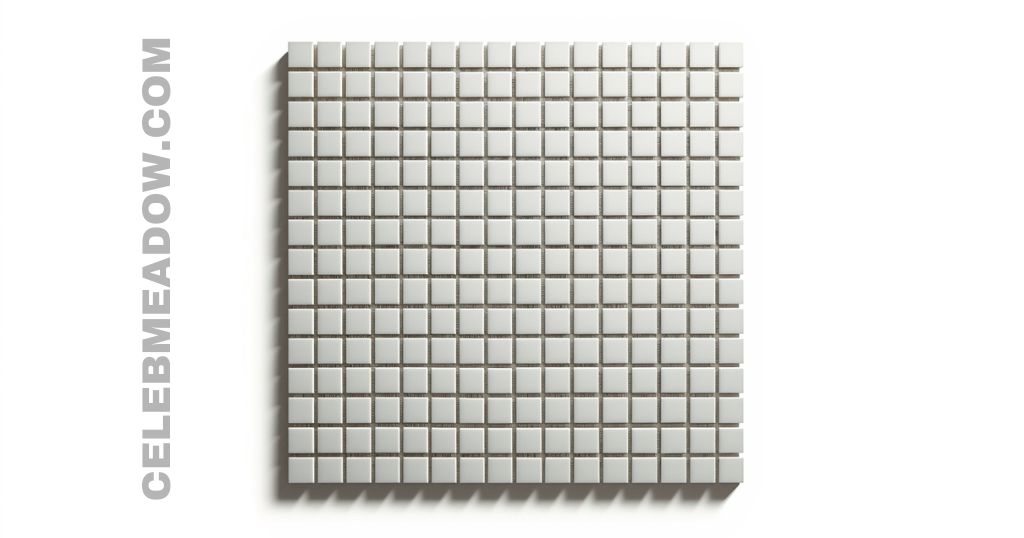
Standard “small format” mosaic bathroom and backsplash tiles are 1 inch by 1 inch squares. That size became the default because of a clean mathematical property: exactly 144 of these tiles cover one square foot.
That makes material estimation simple — no fractions, no complex math. If you are tiling a backsplash and want to know how many sheets you need, start with that 1-inch tile as your base unit. It is the tile industry’s version of a ruler.
Key measurement: 1 inch × 1 inch / 25.4 mm × 25.4 mm (tile face)
9. Gym Locker Padlock (Shackle Clearance)
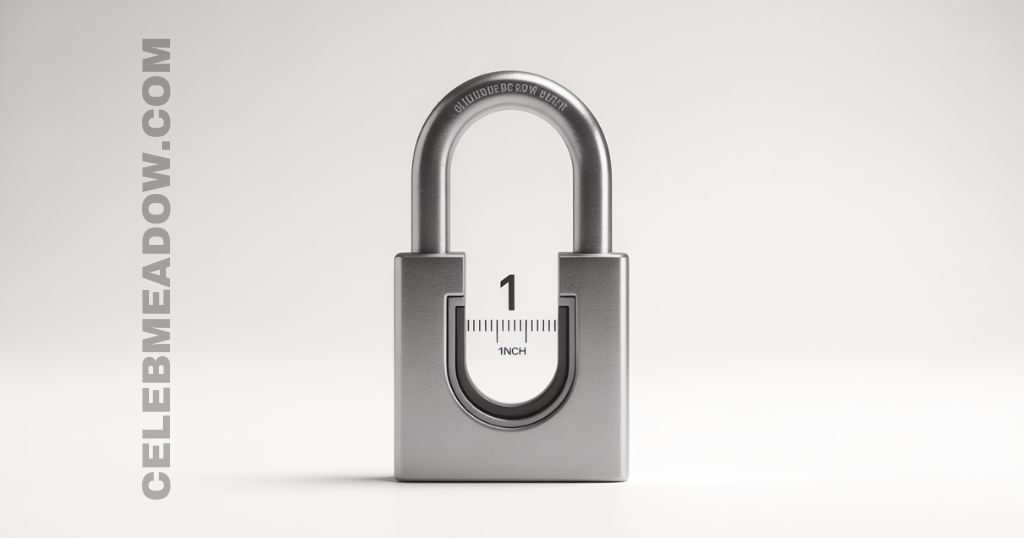
Most standard gym locker padlocks have 1 inch of vertical clearance inside the shackle — that curved U-shaped bar that slides through the locker hasp. The gap is sized to fit the typical 5 mm to 8 mm diameter hasp loop found on school and gym lockers.
Where this catches people out: thicker commercial locker handles or gym equipment bars often have wider hasps. If your lock keeps jamming, measuring that 1-inch internal gap against your hasp diameter is the first diagnostic step.
Key measurement: ~1 inch / ~25 mm (shackle internal clearance)
10. Heavy-Duty Key Ring (Outer Diameter)
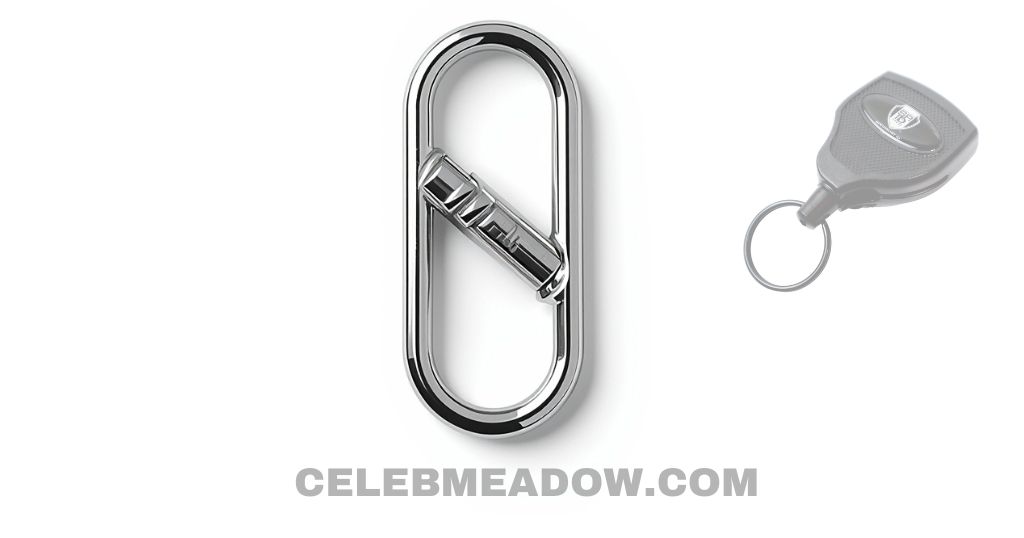
A heavy-duty split key ring — the kind sold for car keys or tool belts — has an outer diameter of about 1 inch. That size hits a practical sweet spot: large enough to thread through a standard 1-inch belt loop or bag strap, but too large for a standard 0.75-inch lanyard clip.
If you are buying key rings for a badge holder or a small carabiner setup, checking whether you need 1-inch or 0.75-inch rings first saves you a return trip to the hardware store.
Key measurement: ~1 inch / ~25 mm (outer diameter)
11. Class 15 Sewing Bobbin (Diameter)
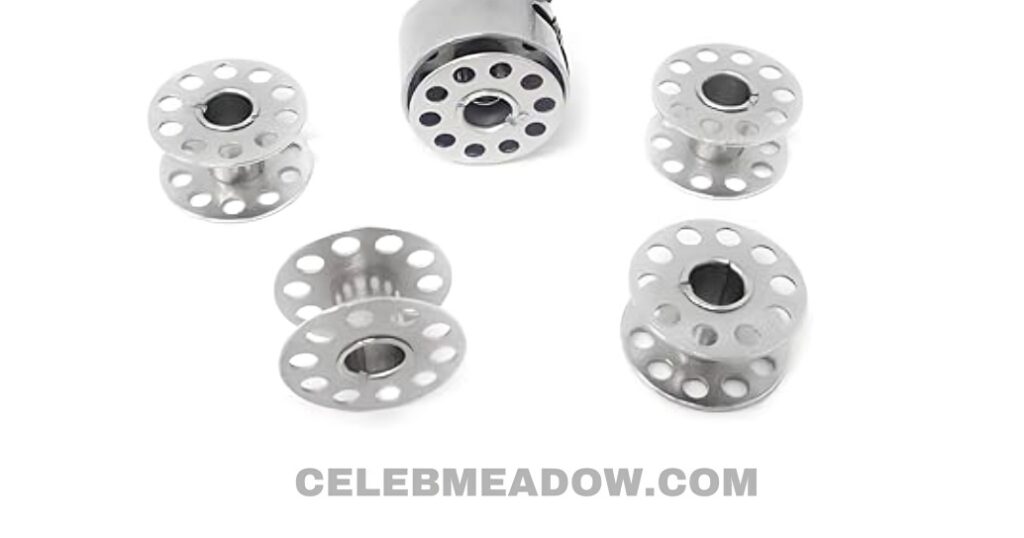
The Class 15 bobbin — the most widely used universal sewing machine bobbin — has a diameter of about 1 inch. That size was standardized across most domestic sewing machines precisely so that storage cases, bobbin holders, and replacement packs could be made once and sold everywhere.
When a case is labeled “universal,” it is designed around this 1-inch diameter. If a bobbin is noticeably wider than 1 inch, the case lid will not snap shut — and that small gap causes bobbins to fall loose and tangle.
Key measurement: ~1 inch / ~25 mm (bobbin diameter)
12. Heavy-Duty Construction Staple (Crown Width)
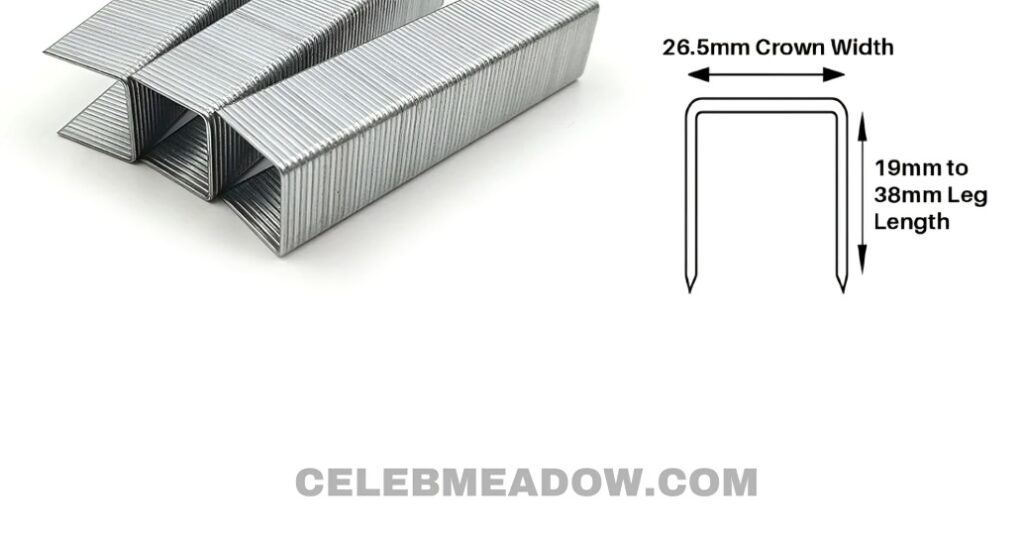
The crown width of a standard heavy-duty construction staple — the flat top part of the U-shape — is 1 inch. That width exists because roofing felt, house wrap, and subfloor materials need a broad bite point to resist pull-through under tension and wind load.
A narrow crown staple would tear through these materials in the first storm. When you see “1-inch crown” on a staple gun at the hardware store, it means roofing and structural work. It is not interchangeable with office staples, which are a fraction of this width.
Key measurement: 1 inch / 25.4 mm (staple crown width)
How to Picture 1 Inch Without a Ruler
The most reliable body reference: look at your thumb. From the tip of your thumb down to the first knuckle joint is commonly around 1 inch for most adults. It varies slightly between people, but it is accurate enough for quick checks when you are shopping, building, or fitting something and your phone is in your pocket.
A second method — use a standard US dollar bill. A dollar bill is 6.14 inches long. Fold it in half three times and the folded edge is just over 0.75 inches wide. One more small fold and you are right at the 1-inch mark. It sounds fiddly, but once you do it once, you have a paper ruler in your wallet.
If you have a standard piece of printer paper (8.5 × 11 inches), the short edge divided by 8.5 gives you one inch. Hold the corner with your thumb and move inward until your thumbnail just clears the edge — that gap is your 1-inch reference.
1 Inch Big Compared to Similar Sizes
| Measurement | In cm | Compared to 1 inch |
|---|---|---|
| 0.5 inch | 1.27 cm | Half the size |
| 0.75 inch | 1.91 cm | 25% shorter |
| 1 inch | 2.54 cm | ← You are here |
| 1.25 inches | 3.18 cm | 25% longer |
| 1.5 inches | 3.81 cm | 50% longer |
| 2 inches | 5.08 cm | Exactly double |
Common Questions About How Big is an Inch
What is 1 inch in cm?
1 inch equals exactly 2.54 centimeters. This is a fixed conversion — 1 inch is always 2.54 cm, no rounding needed. To convert any number of inches to centimeters, multiply by 2.54.
How big is 1 inch on my finger?
For most adults, the distance from the tip of the thumb to the first knuckle joint is close to 1 inch. This varies by hand size but works as a quick real-world check when you do not have a ruler nearby.
What common household item is 1 inch long or wide?
A standard cabinet knob face is 1 inch in diameter. A medium binder clip mouth is 1 inch wide. A square mosaic tile is 1 inch on each side. All three are things most people have handled, which makes them reliable mental references.
How can I measure 1 inch without a ruler?
Use your thumb from tip to first knuckle — typically close to 1 inch. Alternatively, fold a standard dollar bill in half three times lengthwise. The folded strip will be just over 0.75 inches; one more small fold gets you to 1 inch. Both methods are accurate enough for practical decisions like checking a gap, fitting hardware, or estimating tile coverage.
Is 1 inch the same as 25 mm?
Yes. 1 inch equals exactly 25.4 mm, which is commonly rounded to 25 mm in metric countries. Most hardware and tools manufactured in metric markets are designed to 25 mm as the practical equivalent of 1 inch, so the two figures are interchangeable for most everyday purposes.
Related Measurement Guides
- How Tall Is 69 Inches? 9 Real-Life Things That Measure Around 5 Feet 9 Inches
- How Tall is 30 Inches? 11 Everyday Things to Help You Visualize It
- 2 Inches Long: 14 Familiar Objects That Are Exactly This Size
The cabinet knob that started this whole question? Now you know it fits your thumb naturally because 1 inch was designed for exactly that grip. The binder clip on your desk, the mosaic tile in your bathroom, the watch strap on your wrist — they are all quietly measuring out the same distance. One inch is not abstract anymore. It is already all around you.

I’m Cherry Sin, and I write clear, practical guides that help people understand everyday measurements and sizes. I focus on turning numbers into easy mental pictures using familiar objects and real-life situations. At Celebmeadow, I write guides that explain measurements in a simple, visual way.